
Morocco's Enduring Cycle of Repression
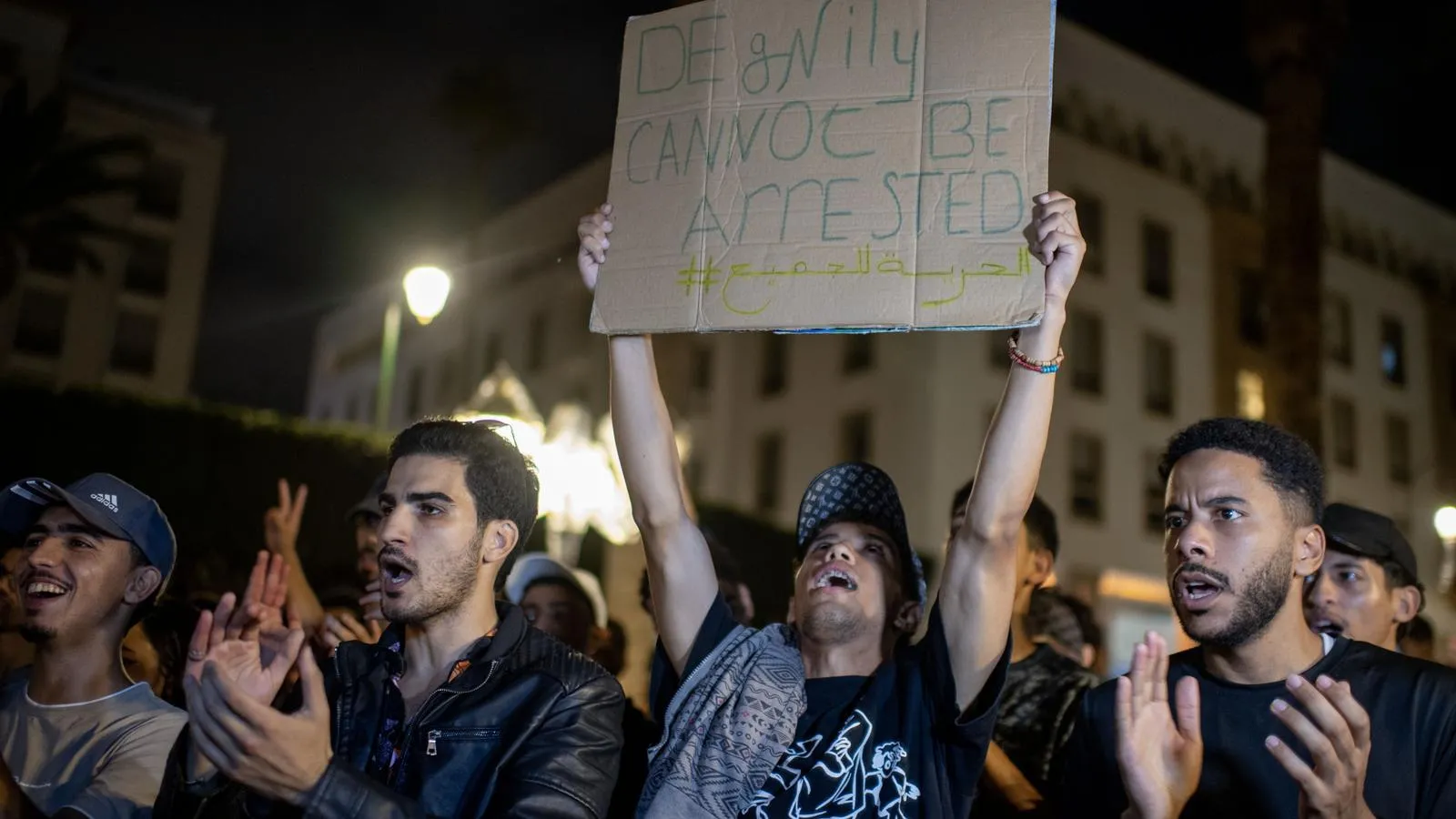
Morocco has a long and troubling history of repression, particularly against those who dare to challenge the status quo. This cycle of oppression has persisted since the country's independence in 1956, with tactics evolving but the underlying principles remaining the same. The current regime, under King Mohammed VI, has adopted a more sophisticated approach to maintain control, opting for surveillance and intimidation over outright violence, although it is not entirely absent. The recent protests, particularly the GenZ 212 movement, have highlighted the extent to which the Moroccan state will go to quell dissent. Protesters have faced brutal crackdowns, with thousands detained and numerous reports of violence against unarmed civilians, revealing a stark reality that has been largely ignored internationally.
The brutal suppression of civil unrest is not a new phenomenon in Morocco. Historical events, such as the violent response to the Casablanca uprising in 1965, serve as grim reminders of the lengths to which the monarchy will go to silence opposition. King Hassan II's reign was marked by severe crackdowns, including the assassination of political opponents and the use of military force against civilians. Fast forward to the reign of Mohammed VI, and while the methods may have become less overtly violent, they are no less effective. The state has invested heavily in intelligence and surveillance, ensuring that any form of dissent is swiftly and quietly dealt with, often through manipulation of the judiciary.
The GenZ 212 Movement: A Reflection of Discontent
The GenZ 212 movement, which emerged in 2025, has been a significant catalyst for social change in Morocco, driven by the frustrations of the youth concerning issues such as health care, education, and economic opportunities. The response from the government has been predictably severe. Official figures indicate that over 6,000 individuals were arrested during the protests, with more than 2,000 still imprisoned. The charges leveled against them are often vague and severe, ranging from armed rebellion to incitement of violence, demonstrating the regime's willingness to use the full weight of the law to suppress dissent.
Despite the government's attempts to placate the public with promises of increased funding for social services, the absence of acknowledgment of the violence and injustices faced by protesters reveals a deep-seated unwillingness to genuinely address the root causes of discontent. The king’s address to Parliament, which offered no mention of the protests, underscores the regime's strategy of avoiding accountability while employing a dual approach of financial incentives and intimidation tactics to maintain control. This approach is reminiscent of historical patterns, wherein the monarchy has oscillated between violent repression and superficial gestures of reform.
The recent revelations about the judicial process in Morocco, particularly in the context of the GenZ 212 arrests, further illustrate the systemic issues within the Moroccan legal framework. Reports of coerced confessions and the absence of due process raise alarming questions about the integrity of the judicial system and the lengths to which the state will go to suppress dissenting voices. As the Moroccan public continues to demand change, the international community must pay closer attention to these events, recognizing that the struggle for fundamental rights and freedoms in Morocco is far from over.
As reported by en.ara.cat.