
Morocco's Strategic Stability Amid Global Turmoil
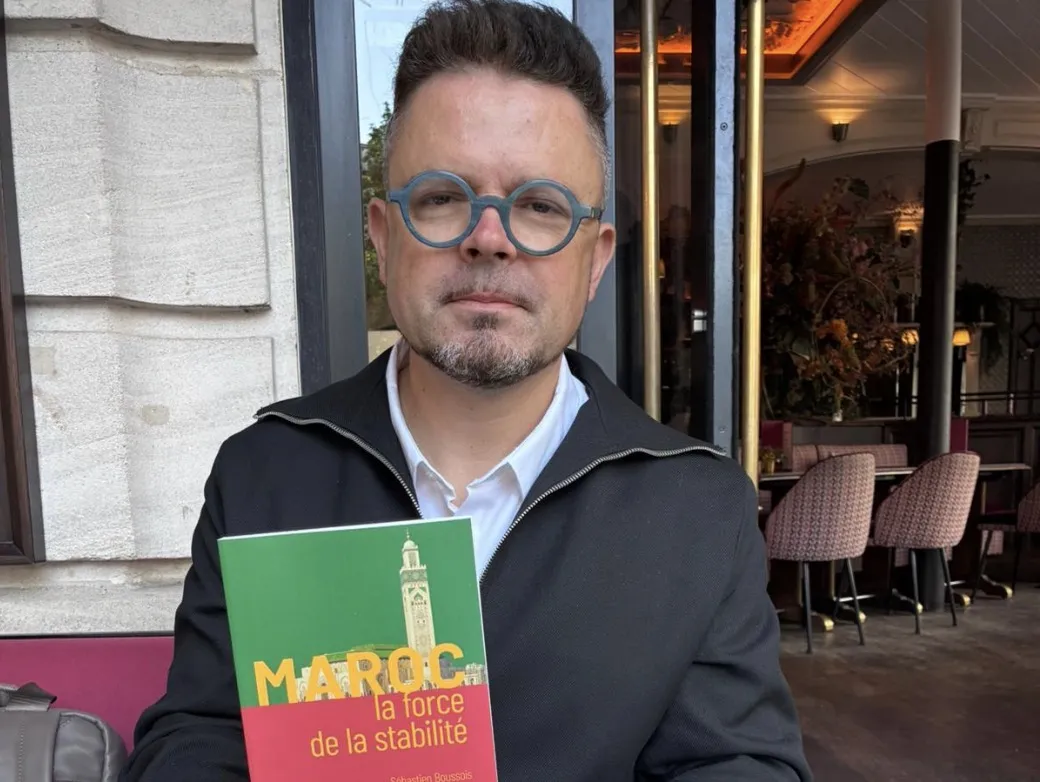
As the global geopolitical landscape undergoes significant transformations, Morocco emerges as one of the rare bastions of stability within the Arab world, according to political scientist Sébastien Boussois. In an insightful interview with Opinion Internationale, the author of Maroc, la force de la stabilité delves into the factors that contribute to this unique status, the evolution of Moroccan diplomacy, the pivotal role of King Mohammed VI, and the burgeoning strategic relationships between Rabat, Europe, the United States, and Africa.
Understanding Morocco's Unique Position
Boussois asserts that Morocco's stability has transcended mere normality to become a strategic asset in a world rife with wars, energy crises, terrorism, and a decline in multilateralism. Unlike many nations that have succumbed to chaos over the past two decades, Morocco has recognized the potential of its stability as a diplomatic, economic, and security lever. The country's evolution without revolution, often described as 'change within continuity,' has allowed it to attract international investment and foster trust among global partners, positioning itself advantageously in the region.
The pivotal decisions made by King Mohammed VI in 2011, such as constitutional reforms and the expansion of governmental powers, played a crucial role in steering Morocco away from the upheavals experienced by its neighbors during the Arab Spring. By embracing evolution over confrontation, Morocco has maintained its institutional continuity and avoided the political ruptures that have plagued other nations in the Maghreb and Middle East.
In contrast to Algeria's continued authoritarianism and Tunisia's disillusionment post-Arab Spring, Morocco's governance model—which balances monarchy and political reform—has proven resilient. The royal family’s role as a stabilizing force, alongside a cultural inclination towards compromise and gradual reform, sets Morocco apart in a region often marked by legitimacy crises.
Boussois highlights that the increasing recognition of Morocco's autonomy plan for Western Sahara by major powers marks a significant diplomatic turning point for Rabat. The acknowledgment from countries such as France and Spain, viewing this plan as the most credible and sustainable path to political resolution, underscores Morocco's growing international credibility and the confidence it inspires in its partners.
Moreover, Morocco's strategic partnership with Europe and the United States is increasingly recognized, particularly concerning security and counter-terrorism. Despite this partnership being somewhat underestimated in France, Morocco's intelligence services have garnered a reputation for effectively preventing or solving terrorist threats in Europe. This extensive cooperation extends beyond counter-terrorism, encompassing military exercises and initiatives against cybercrime and hybrid threats. The ongoing modernization of Moroccan military capabilities and its pivotal role in managing migration flows position the kingdom as a key regional security provider.
Furthermore, Morocco's proactive engagement in Africa, characterized by investments in various sectors and a commitment to development, has solidified its status as a regional power. Since rejoining the African Union in 2017, Morocco has positioned itself as a vital link between Europe and Africa, fulfilling King Mohammed VI's vision of deeper African reintegration.
In light of rising radicalism, Morocco's embrace of a moderate form of Islam, as exemplified by the King's role as Commander of the Faithful, enhances its geopolitical stature. This approach has garnered respect from both African and European partners, furthering cooperation in imam training and countering radicalization.
Despite these advancements, Morocco faces significant challenges, including youth unemployment and territorial inequality. Continued investment in education, health, and infrastructure will be critical to sustaining stability and meeting the evolving needs of its society.
In conclusion, the relationship between France and Morocco appears to be entering a new phase of strategic partnership, driven by converging interests in security, industry, and defense. Recent high-level visits and agreements signify a collective effort to strengthen bilateral ties and acknowledge Morocco's critical role in the Mediterranean and Euro-Atlantic stability.
As reported by opinion-internationale.com.