
Significant Investment in Casablanca's Grand Stadium
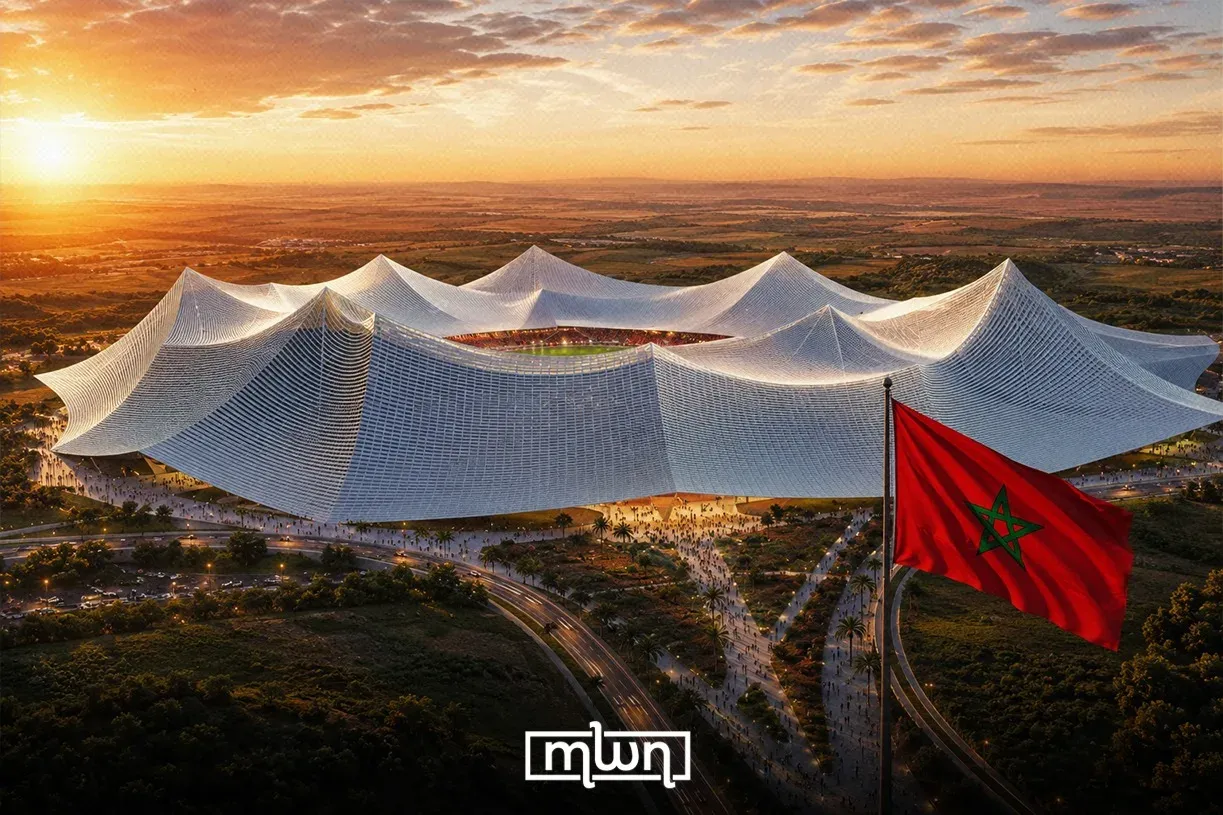
Morocco has made a notable advancement in the construction of the Grand Stadium of Casablanca, initiating two international tenders valued at approximately MAD 370 million (around $39.5 million). This initiative, launched by the National Agency for Public Facilities, aims to expedite the ongoing work at this ambitious venue located in Benslimane Province. The contracts focus on two essential aspects of the stadium's development, which are critical for its functionality and overall performance.
The first contract, amounting to about MAD 92.5 million (approximately $9.9 million), is dedicated to the installation of a hybrid natural grass pitch. This innovative surface will be reinforced with synthetic fibers, ensuring it can withstand the rigorous demands of elite-level football. Additionally, the project encompasses advanced underground ventilation and drainage systems, mobile LED grow lights, and an intelligent irrigation network. This sophisticated irrigation system will monitor temperature, humidity, and soil salinity through integrated sensors, promoting optimal playing conditions. The duration for this phase of construction is expected to last 14 months, with the selected contractor also responsible for maintaining the playing surface for an additional 24 months post-provisional handover.
Seating and Local Economic Support
The second contract, estimated at MAD 277.5 million ($29.9 million), focuses on the supply and installation of seating throughout the stadium. This will include designated sections for supporters, media representatives, and VIP as well as VVIP guests. Furthermore, it will encompass press workstations and camera platforms, ensuring that all seating arrangements adhere to stringent installation and numbering standards. Similar to the first contract, this phase is also expected to follow a 14-month timeline, with contractors facing financial penalties for any delays incurred during execution.
Importantly, the Grand Stadium project goes beyond just technical specifications; it also emphasizes the importance of supporting Morocco’s domestic economy. Contractors are mandated to prioritize the use of Moroccan-made materials wherever feasible, and a minimum of 20% of the workforce must be sourced from the local community surrounding the construction site. This approach not only fosters local employment but also bolsters the national economy as Morocco continues to modernize its sporting infrastructure in preparation for hosting significant international football events.
Upon its completion, the Grand Stadium of Casablanca is anticipated to meet the highest international standards, positioning itself as one of the largest football stadiums globally and a flagship project for Morocco’s infrastructural development.
As reported by moroccoworldnews.com.