
Moroccan Government Attributes Migrant Surge to Misinformation
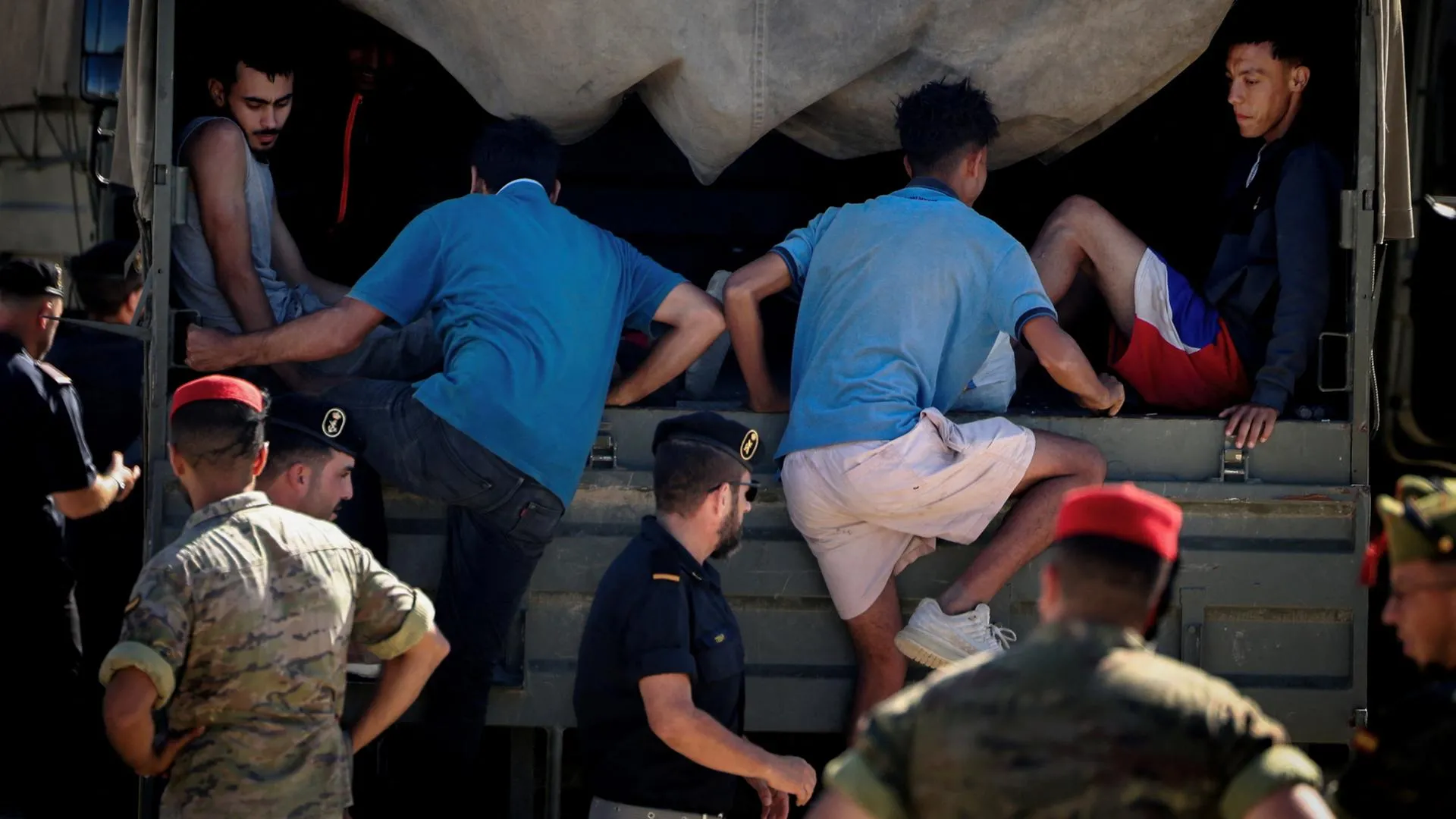
The Moroccan government has made its first official statement regarding the recent surge of migrants attempting to cross into Ceuta, a Spanish enclave in North Africa. According to the Moroccan Interior Ministry, the sudden influx of tens of thousands of individuals seeking to enter Ceuta was largely driven by misinformation circulating on social media. Additionally, the government criticized the misinterpretation of a Spanish court's ruling that prohibits the immediate return of intercepted migrants at sea. This statement marks the first formal response from Morocco amid escalating tensions surrounding the migration crisis.
Similar sentiments were echoed by Spanish officials, who also attributed the migrant surge to the spread of false information. The Moroccan government reaffirmed its commitment to combating illegal migration while simultaneously calling for a fair distribution of responsibilities among nations. This call for shared responsibility highlights the complexities of managing migration pressures that affect both Morocco and Spain.
Diverging Casualty Figures and Ongoing Challenges
Estimates regarding the number of migrants involved in the Ceuta crisis differ significantly between Moroccan and Spanish authorities. The Moroccan government reported that approximately 40,000 individuals attempted to cross into Ceuta, whereas Spanish officials claimed the number exceeded 50,000. Even more stark is the discrepancy in reported fatalities. Morocco stated that eleven migrants lost their lives, primarily due to drowning, and indicated that ongoing investigations are underway to verify reports of fatalities from the Spanish side of the border.
Conversely, Spanish police have reported over 70 deaths, with accounts of some migrants drowning and others succumbing to injuries while trying to scale barriers or fences. Following the events, more than 1,000 people received medical treatment in Ceuta, and according to Spanish authorities, nearly all migrants who arrived in Ceuta have since returned to Morocco.
In response to the crisis, a floating barrier approximately 500 meters long has been deployed in the waters off Ceuta. This inflatable barrier, designed to rise between 30 to 70 centimeters above the water depending on wave conditions, aims to deter migrants from attempting to swim to the Spanish city.
As the situation stabilizes in Ceuta, daily life is gradually returning to normal. Businesses, cafes, and restaurants are reopening, and families are seen enjoying the beaches, as reported by state broadcaster RTVE. However, reports indicate that several hundred recently arrived migrants remain in Ceuta, although the situation is reportedly calm.
Regional President Juan Jesús Vivas painted a different picture, claiming that thousands of migrants continue to reside in Ceuta. Vivas, a member of the conservative People's Party, has attributed the crisis solely to the leftist government's handling of the situation, emphasizing the ongoing political tensions surrounding the migration issue.
As reported by tagesschau.de.