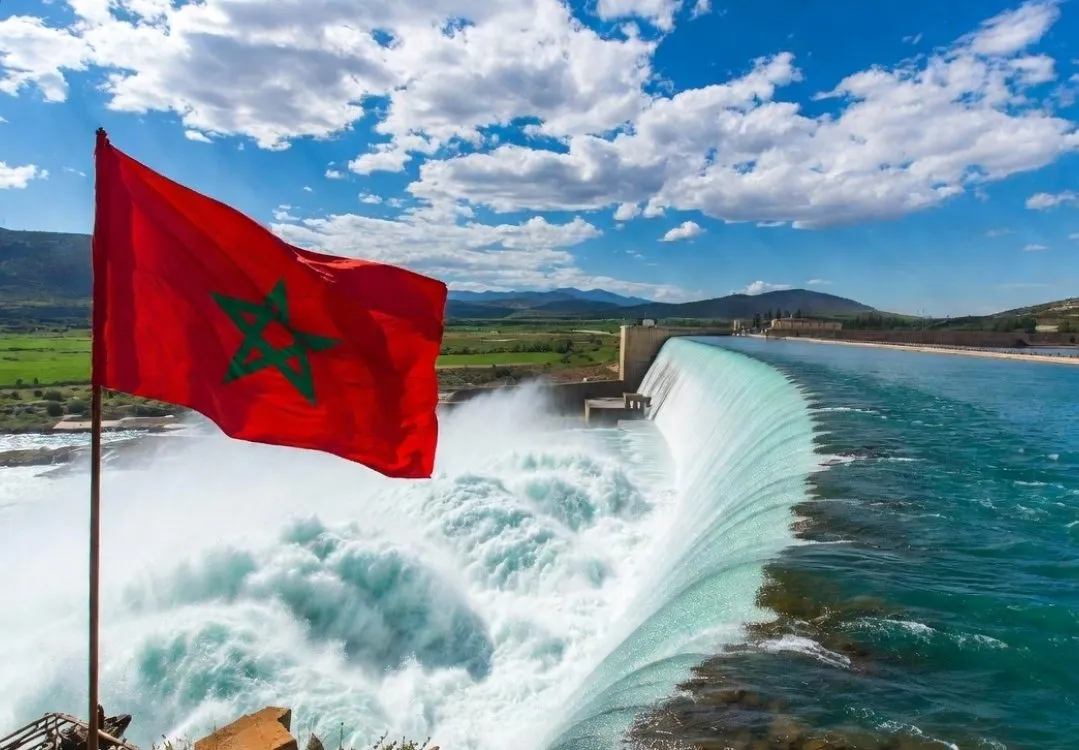

Significant Improvements in Morocco's Water Resources
In the current hydrological year, Morocco has experienced a noteworthy enhancement in its water resources, primarily attributed to substantial rainfall and snowfall across various basins. This precipitation has not only bolstered the storage capacity of dams but has also rejuvenated a portion of the groundwater reserves. Alongside these natural improvements, the kingdom is actively pursuing major water projects aimed at diversifying its water supply sources and strengthening water security. Currently, the water stored in dams is estimated at approximately 11.5 billion cubic meters, translating to a filling rate of nearly 67%. This marks a significant improvement across several key facilities, particularly the Al Massira and Bin El Ouidane dams, which highlight the recent rainfall's critical role in reinforcing the national water reserves.
Integrated Water Management and Infrastructure Development
In tandem with the enhancement of surface water resources, several aquifers have also reported increased levels due to saturation from rainfall and recent precipitation events, especially in regions that directly benefit from water infiltration into underground layers. This development underscores the importance of integrated management of both surface and groundwater resources as part of the national water policy. Regarding the distribution of water resources across the country, Morocco continues to advance inter-basin linking projects, the most notable being the highway water project connecting the Sebou Basin and the Abid Raqraq Basin. This initiative facilitates the transfer of approximately one million cubic meters of water daily, ensuring a reliable drinking water supply for around 12 million residents in the Rabat-Casablanca axis. Furthermore, an expansion of this project towards the Amr Rabii Basin is anticipated, potentially adding an additional 800 million cubic meters annually, thereby supporting the water needs of numerous cities and agricultural areas.
Simultaneously, the development of dams remains a priority, with plans to increase the national storage capacity from around 21 billion cubic meters to approximately 26 billion cubic meters. This enhancement will significantly improve Morocco's ability to store water resources and capitalize on major rainfall influxes. These structures are a critical component of the national system designed to secure potable water and agricultural needs while promoting development across various regions.
Desalination of seawater has also emerged as a central focus in Morocco's water strategy, with the expedited establishment of new plants in Casablanca, Nador, Tangier, Rabat, Agadir, and other regions. The kingdom aims to achieve a production capacity nearing 1.7 billion cubic meters of desalinated water annually by 2030, leveraging advancements in desalination technology and connecting several facilities to renewable energy sources. The impact of these projects is gradually extending to inland cities as well, with plans to transfer desalinated water from coastal areas. For example, Marrakech is expected to benefit from water produced in Safi, alongside other projects supplying Taroudant from the Agadir plant, with future potential to expand this model to additional cities. This approach reflects Morocco's commitment to constructing a more diverse and integrated water system that combines dams, seawater desalination, inter-basin connections, and enhanced supply networks, ultimately supporting the kingdom's water security and sustainable development.
As reported by maadialna.ma.