Strategic Planning for a Historic Event
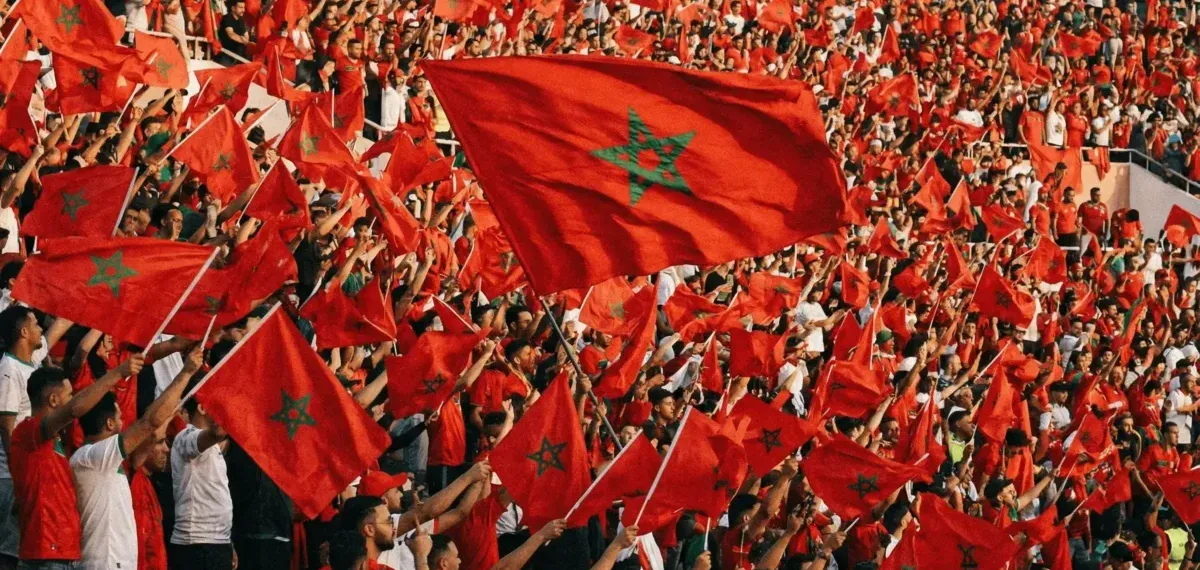
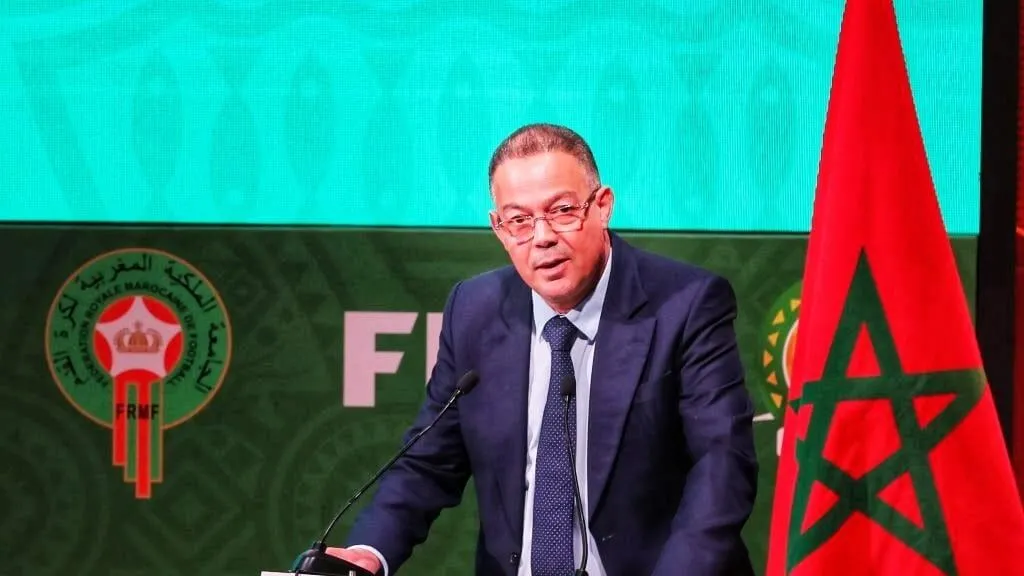
On July 17, 2026, Morocco is embarking on a significant phase in its preparations for the 2030 FIFA World Cup. During a recent meeting of the Executive Committee of the Royal Moroccan Football Federation (FRMF), its president, Fouzi Lekjaa, described the organization of the tournament as a "strategic project" for the Kingdom. He emphasized the necessity for enhanced coordination among all stakeholders involved in this monumental national endeavor, which Morocco will co-host alongside Spain and Portugal.
During the Executive Committee's meeting held in Salé, Lekjaa highlighted that Morocco will be under the FIFA spotlight alongside its two partners, making it essential to prioritize planning and maintain ongoing coordination throughout all phases of preparation. His comments reflect the urgency and commitment required to deliver a world-class event that meets international standards.
Collaboration and Modernization for Success
The FRMF president also noted that the organization of the World Cup will be overseen by the Morocco 2030 Foundation, working in tandem with the federation to ensure a cohesive approach between both institutions. Lekjaa urged national leagues to modernize their operational methods to adapt to the tournament's demands, which will not only bolster Moroccan football but also enhance its reputation on both continental and international stages.
Furthermore, he expressed the belief that these organizational structures must play an active role in managing the World Cup and in creating a lasting legacy that will resonate long before and after the tournament in 2030. The emphasis on collaboration, modernization, and strategic planning suggests that Morocco is keen on making a significant mark in the realm of global football.
As reported by es.le360.ma.