
Morocco's Model of Religious Coexistence
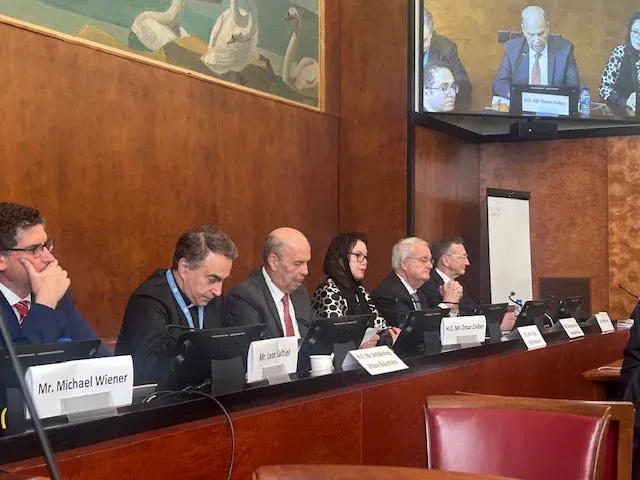
In a significant address during a side event at the 61st session of the UN Human Rights Council in Geneva, Morocco's ambassador to the Holy See, Rajae Naji Mekkaoui, highlighted what she described as the "Moroccan model" of religious coexistence. This unique example, developed over thirteen centuries, showcases the Kingdom's commitment to diversity and unity, which has garnered international recognition. The ambassador emphasized the importance of interfaith dialogue and countering hate speech as essential components of this model. She stated that Morocco has cultivated a distinctive framework where religious diversity serves as a unifying aspect rather than a source of division.
Central to this Moroccan model is a clear institutional foundation. The 2011 Constitution recognizes Islam as the official religion while simultaneously safeguarding freedom of belief and worship. Additionally, it assigns the monarch, as the Commander of the Faithful, the responsibility of protecting the faithful and ensuring respect for religious diversity. Mekkaoui further articulated the doctrinal underpinnings of Moroccan Islam, which is based on three key references: Ash'arism for faith, Maliki jurisprudence for legal matters, and Sufism for ethical considerations. These traditions promote a balance between reason and revelation, fostering an open and moderate approach to religious practice.
A Legacy of Religious Tolerance
The ambassador illustrated Morocco’s long-standing tradition of religious tolerance by recounting the history of Jewish communities within the Kingdom. Morocco has historically served as a refuge for persecuted populations, allowing Jewish Moroccans to integrate fully into society while maintaining their religious and legal institutions. Notably, Morocco stands out as one of the few countries where rabbinical courts continue to adjudicate matters of personal status and inheritance within the Jewish community.
Mekkaoui also referenced a pivotal moment during World War II when King Mohammed V refused to implement antisemitic laws imposed by Nazi authorities and the Vichy regime. The King famously declared, "There are no Jews in Morocco, only Moroccan subjects," underlining the notion that a true leader never forsakes their family.
Moreover, the ambassador pointed to the essential role of Moroccan religious institutions in promoting a moderate form of Islam and preventing extremism. Key organizations such as the Higher Council of Ulemas, the Rabita Mohammadia of Ulemas, and the Mohammed VI Foundation for African Ulemas focus on spreading values of tolerance, respect for differences, and peaceful coexistence. She also highlighted Al-Quaraouiyine University in Fez, established in 859, which is often cited as the oldest university in the world and has served as a hub for intellectual exchange and religious dialogue among diverse students for centuries.
On the international stage, Morocco has been actively advocating for enhanced interfaith dialogue and combatting hate speech. The Kingdom played a significant role in the establishment of the International Day for Combating Hate Speech, which is celebrated on June 18. However, Mekkaoui acknowledged that the rise of hate speech, exacerbated by social media and digital technologies, presents an increasing challenge. To address these issues, Morocco calls for strengthened international cooperation aimed at better regulating the digital space, preventing online radicalization, and striking a balance between protecting freedom of expression and combating incitement to hatred.
As reported by yabiladi.com.