Morocco's Strategic Call for Effective Peacekeeping Operations
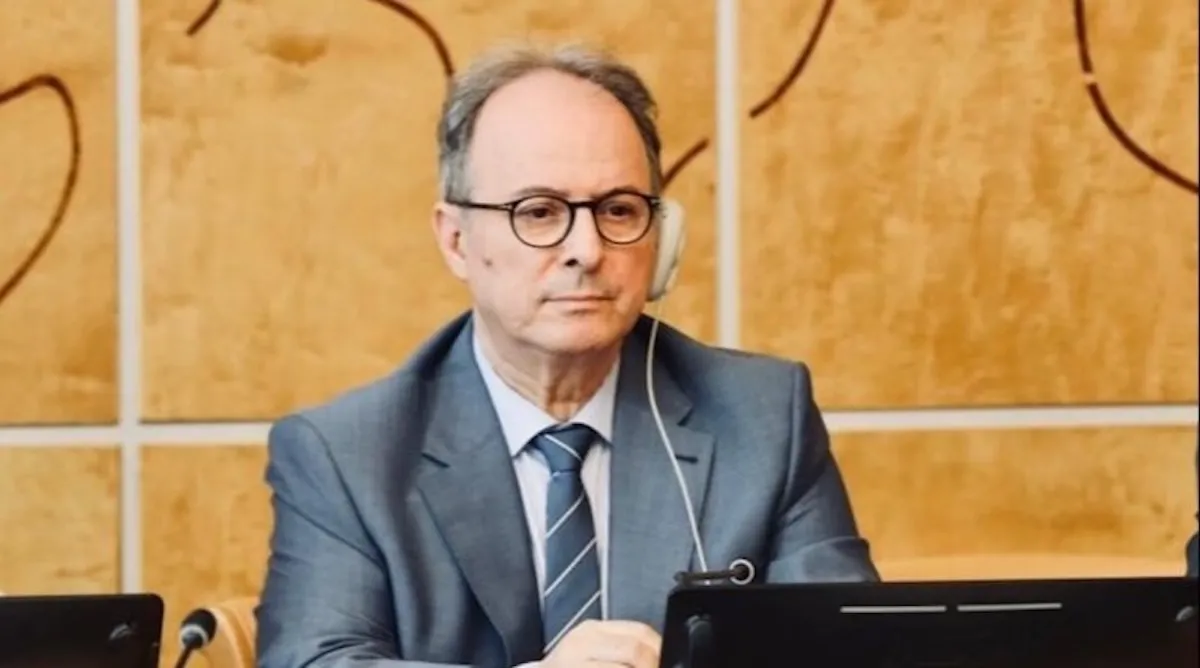
In a significant address at the 2nd Ministerial Conference on Peacekeeping in the Francophone Environment, held in Rabat, Moroccan Foreign Minister Nasser Bourita emphasized the necessity of establishing peacekeeping operations grounded in realistic, achievable, and prioritized mandates. He articulated the critical need for these operations to evolve in tandem with the dynamic conditions on the ground, warning that without such adaptations, they risk becoming mere tools of the status quo rather than effective mechanisms for conflict resolution. Bourita's insights underline a pivotal moment for peacekeeping, as he pointed out the backdrop of persistent political divisions within the Security Council, the complex nature of modern conflicts, and the increasing strain on available resources.
Bourita highlighted the pressing challenges faced by peacekeeping forces, notably the hostile environments marked by asymmetric threats, attacks from non-state armed groups, and links to terrorist organizations targeting United Nations personnel. He called for a decisive zero-tolerance policy against crimes perpetrated against peacekeepers, reinforcing the need for a more responsive and adaptable peacekeeping framework. Rather than merely maintaining the status quo or abandoning existing systems, Bourita argued for a thorough reform of peacekeeping operations to enhance their flexibility and effectiveness, ensuring they align closely with the realities faced by the communities they serve.
Morocco's Commitment to Peacekeeping and International Cooperation
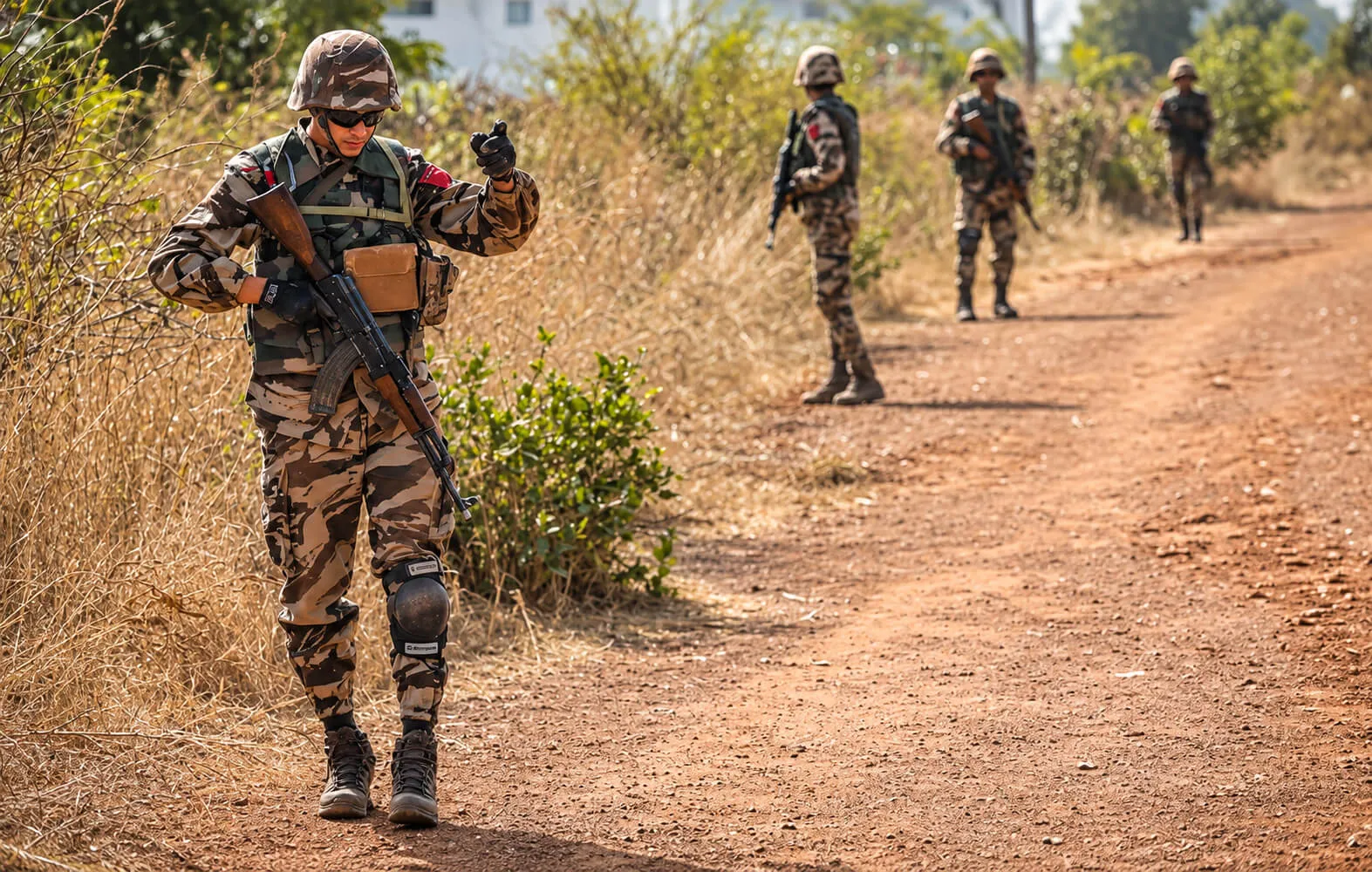
In his remarks, Minister Bourita reiterated Morocco's longstanding contribution to global peacekeeping efforts, noting the Kingdom's participation in such missions since 1960, which has seen over 100,000 Moroccan peacekeepers deployed worldwide. Currently, approximately 1,340 Moroccan military personnel are actively engaged in operations under MINUSCA in the Central African Republic and MONUSCO in the Democratic Republic of the Congo. This extensive experience grants Morocco a unique legitimacy to partake in vital discussions regarding the reform of peacekeeping operations, advocating for approaches that are more effective and closely aligned with the needs of local populations. He urged the Francophone community to leverage its operational capacity into substantial political and doctrinal influence in the realm of peacekeeping, highlighting that the Francophone zone encompasses nearly two-thirds of the ongoing peacekeeping missions yet remains underrepresented in personnel contributions.
Bourita called for a unified Francophone vision for peacekeeping and peacebuilding that emphasizes the enhancement of human capacities, the strengthening of training infrastructures, and the promotion of interoperability among Francophone contingents. He affirmed Morocco's readiness to contribute to these collective efforts through the establishment of its Center of Excellence for Peacekeeping Training in Benslimane. Additionally, he proposed the institutionalization of the Ministerial Conference on Peacekeeping in the Francophone Environment to create a sustained political framework that fosters ongoing dialogue and guidance. As reported by northafricapost.com.