
Morocco's Strategic Role in Global Geopolitics
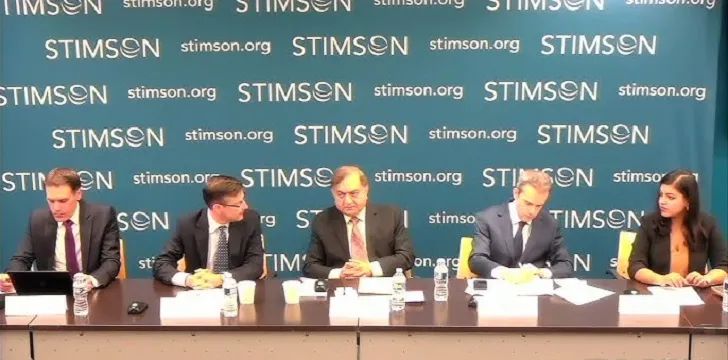
A recent in-depth analysis by the Stimson Center, based in Washington, has highlighted Morocco's emergence as a pivotal geopolitical power, acting as a critical bridge between Europe and Africa. This designation underscores the significant implications for regional diplomacy and transcontinental trade, suggesting a profound shift in the geopolitical landscape of the twenty-first century. The report details how Morocco has transitioned from a regional player to an essential transcontinental anchor, prompting policymakers in major capitals—from Brussels to Nairobi—to reassess their economic diplomacy strategies across the Mediterranean and the Sahara.
Morocco's unique geographical positioning, coupled with aggressive investments in renewable energy and a robust diplomatic outreach in Sub-Saharan Africa, has allowed the kingdom to outmaneuver its regional rivals. The stakes are high, involving control over the multi-billion-dollar green energy transition and the critical agricultural supply chains that sustain millions across both continents. The Stimson Center's evaluation is based on a comprehensive assessment of Morocco’s national capabilities and strategic foresight, revealing a well-structured foreign policy that simultaneously reaches northward towards the European Union and southward towards the African Continental Free Trade Area.
Economic Integration and Agricultural Dominance
The kingdom has effectively embedded itself within the economic frameworks of West and Central Africa through sovereign wealth investments and various bilateral trade agreements. The report illustrates how Rabat has transformed traditional diplomacy into a sophisticated mechanism for economic integration, exporting its expertise in finance, telecommunications, and aviation. Royal Air Maroc, the national carrier, has established connections with over thirty African capitals to the global north, monopolizing transit routes that were once primarily controlled by European airlines. This dominance in logistics is complemented by the rapid expansion of Moroccan commercial banks across francophone Africa, which play a crucial role in facilitating cross-border trade. Analysts have noted that Moroccan foreign direct investment in Sub-Saharan Africa is now comparable to that of several traditional European partners.
At the heart of Morocco's rising influence is its ability to shape global agricultural and energy landscapes. The OCP Group, a state-owned enterprise, controls around seventy percent of the world’s known phosphate rock reserves, positioning Morocco as a superpower in global food security. As climate change intensifies, many African nations increasingly rely on Moroccan fertilizer exports to maintain agricultural productivity. Furthermore, Morocco has committed an impressive $10 billion (approximately KES 1.3 trillion) to developing green hydrogen facilities, strategically designed to reduce its fossil fuel dependence while establishing itself as a leading clean energy exporter to Europe.
The anticipated completion of undersea transmission cables will soon enable Moroccan solar farms to power European cities, fostering a level of interdependence that may limit Europe's geopolitical leverage over Rabat. This strategic positioning serves as a valuable lesson for other emerging regional anchors, especially Kenya in East Africa, which is increasingly being seen as a gateway to the East African Community and the Great Lakes region. Both nations share a similar approach to macroeconomic development, emphasizing extensive investments in port infrastructure and a commitment to renewable energy sources, while also leveraging diplomatic soft power to address regional conflicts.
However, Morocco's structural advantage lies in its proximity to the European single market, facilitating just-in-time manufacturing integration that East Africa has yet to replicate fully. Economists at the University of Nairobi suggest that Kenya must adopt Morocco's aggressive strategies in high-value manufacturing and enhance agricultural value addition to transform its geographical advantage into lasting geopolitical influence. The Moroccan model indicates that regional hegemony can be established not through military might, but through essential economic interdependencies.
Despite its ascent on the global stage, Morocco faces a complex array of vulnerabilities. The Stimson Center cautions that the kingdom's economic ambitions are continually overshadowed by the unresolved territorial dispute over Western Sahara, which strains relations with Algeria and complicates certain bilateral agreements with European nations. Additionally, Morocco is grappling with significant internal ecological challenges, including recurring droughts that threaten agricultural output and deplete water resources. In response, the government has initiated an ambitious seawater desalination program, yet the required capital investment is substantial. European policymakers are closely observing these domestic challenges, as stability in Rabat is crucial for broader security across the Western Mediterranean. Any economic downturn in Morocco could lead to immediate supply chain disruptions across the continent, emphasizing the fragility of its newfound power.
The era of clear bipolar global dominance has fractured, giving rise to agile middle powers capable of dictating terms in global engagements. As demonstrated by the Stimson Center report, Morocco is no longer just a participant in the Africa-Europe dialogue; it is now a key architect shaping that conversation.
As reported by streamlinefeed.co.ke.