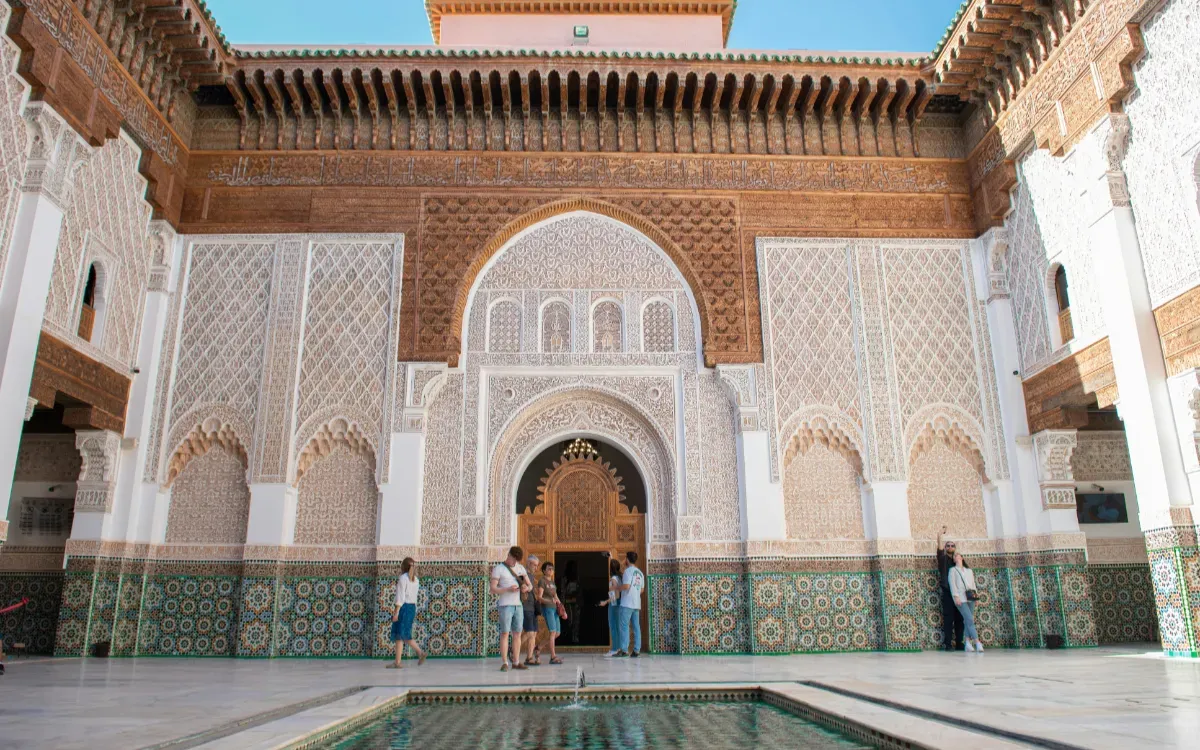

The cultural rivalry between Morocco and Algeria has intensified with the latest dispute surrounding zellige, a traditional Moroccan art form. Following the previous controversies over the caftan, Morocco is gearing up to defend this intricate craft at UNESCO, emphasizing its historical significance and the artisanal lineage upheld by Moroccan maalems over centuries. The Moroccan government is determined not to allow zellige to follow the same path as other contested symbols of its heritage, which have been claimed by Algeria.
In recent developments, Algeria has put forth a candidacy to have "the art of architectural ornamentation in zellige" recognized as an intangible cultural heritage by UNESCO. This move has sparked concerns in Morocco, which views it as yet another attempt by Algeria to appropriate an art form that is deeply intertwined with Moroccan history, its ancient cities, and its craftsmen. According to a report by Le Figaro, the situation has shocked officials in Rabat, prompting them to prepare their own dossier to advocate for the recognition of Moroccan zellige.
Memories of the Adidas controversy from 2022 remain fresh in the minds of Moroccans; at that time, Morocco had protested against Algerian soccer jerseys that featured designs reminiscent of zellige, perceiving it as a cultural appropriation. This earlier incident had led to legal actions against the brand, eventually resulting in a resolution. Now, Morocco is strategizing to present its case to UNESCO by 2027, with a clear goal: to establish zellige as a living Moroccan heritage, passed down through generations of maalems and still present in mosques, palaces, medinas, fountains, and traditional homes throughout the kingdom.
Strengthening Cultural Identity
Regions such as Fès, Tétouan, and Marrakech play a pivotal role in the zellige craft, providing the necessary clay, artisans, and traditional skills that enable the production of these exquisite mosaics using age-old techniques. In Fès, for instance, maalems meticulously design, cut, and assemble each piece by hand, reflecting a slow yet precise craftsmanship that has been honed over time. Zellige is not merely decorative; it encapsulates Moroccan aesthetics, contributes to the economy, and serves as a means of cultural transmission. The sector encompasses thousands of specialized artisans and produces work for mosques in the Gulf, private residences abroad, and luxury boutiques in Europe. In Fès alone, exports related to this craft are estimated to reach 256 million dirhams.
In light of Algeria's candidacy, Morocco has accelerated its response strategy, focusing on labels, regional inventories, training programs, and the protection of intangible heritage. The Ministry of Culture and the Ministry of Artisan Crafts are working diligently to legally and culturally safeguard an art form that Morocco regards as one of its most significant markers of identity. This issue transcends mere decorative disputes; for Rabat, it is paramount to prevent Moroccan heritage from being claimed by another nation, especially while Moroccan artisans continue to produce, restore, and promote zellige worldwide.
This ongoing cultural struggle underscores the complexities of national identities in the region, with zellige becoming a battleground for cultural preservation and pride between Morocco and Algeria. As the situation unfolds, Rabat is determined to come prepared, armed with archives, skilled artisans, an organized craft sector, and a candidacy that asserts that Moroccan zellige is not an appropriation but rather a treasured heritage.
As reported by bladi.net.