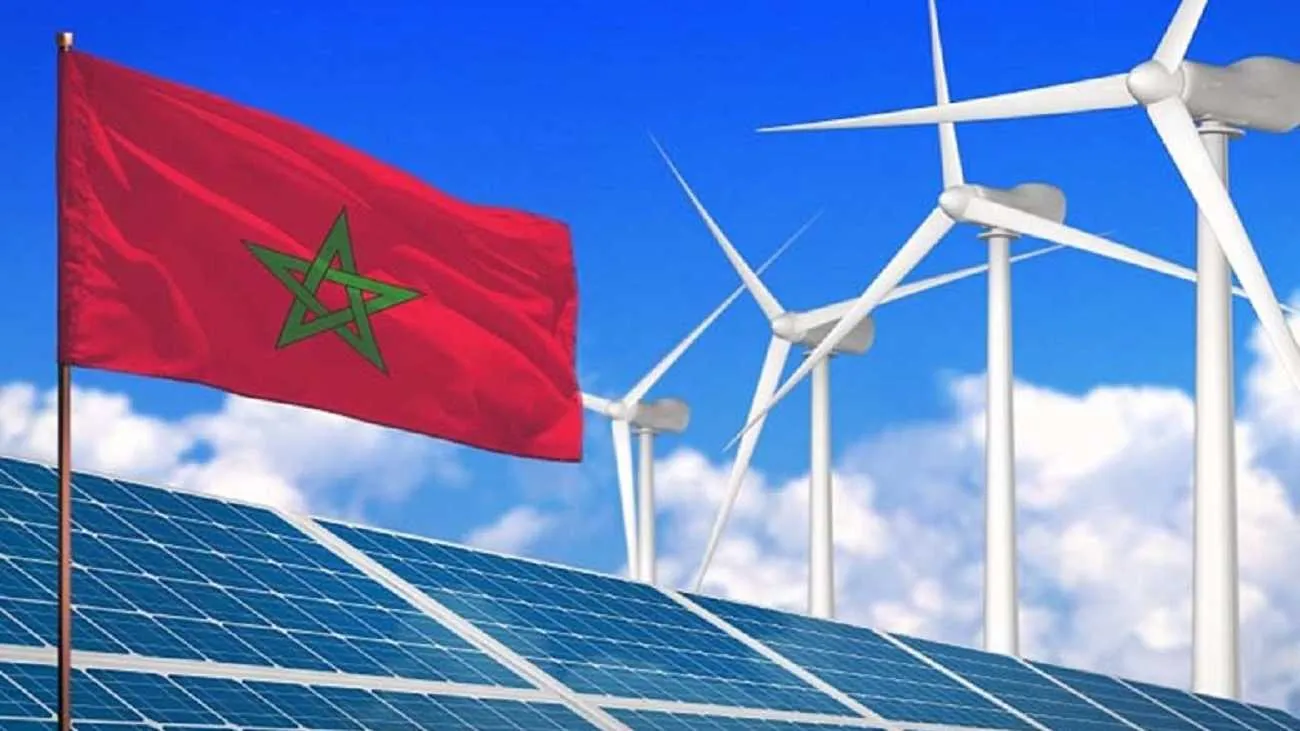

Advancing Green Energy Initiatives
Morocco, alongside several European partners, is making significant strides toward establishing a robust framework for the export of green hydrogen and renewable electricity from North Africa to Europe. This ambitious initiative, however, faces several regulatory, commercial, and infrastructural challenges that must be navigated before these exports can commence. Insights from a recent report by the German government highlight the ongoing collaborative efforts under the Moroccan-German Energy Partnership (PAREMA), aimed at creating viable trade routes for green hydrogen and renewable energy between Morocco and European markets.
The report outlines two key priority areas for development: firstly, the establishment of a hydrogen supply corridor that would connect Morocco with both the Netherlands and Germany; secondly, the formulation of a multilateral roadmap designed to facilitate cross-border trade in renewable electricity among Morocco and various European nations. With a decade of heavy investment in solar and wind energy generation, Morocco is positioning itself as a pivotal supplier of low-carbon energy products, aligning with Europe’s ambitious goals to reduce emissions and diversify its energy sources.
Collaboration on Hydrogen and Renewable Electricity
In line with the hydrogen initiative, officials from Morocco, the Netherlands, and Germany convened in Rotterdam in May 2025 to explore the feasibility of a hydrogen corridor that would transport hydrogen from Moroccan production facilities to industrial users in western Germany. The discussions were comprehensive, focusing on essential aspects such as transport infrastructure, investment requirements, regulatory frameworks, and the need for effective coordination among the involved governments.
The report also mentions a pre-feasibility study, backed by the World Bank, which assessed Morocco's potential to serve as a production and export hub for green hydrogen, evaluating how the country's ports could facilitate future shipments. Key stakeholders, including representatives from Morocco’s sustainable energy agency Masen, the National Ports Agency, and various hydrogen industry players from the Netherlands and Germany, actively participated in these discussions.
Support for the project has been publicly expressed by German and Dutch officials, who recognize Morocco's substantial renewable energy potential and its prospects as a long-term supplier of green hydrogen to European industries. Additionally, a second pillar of cooperation is highlighted in the Sustainable Electricity Trade (SET) Roadmap, which involves Morocco, Spain, Portugal, France, and Germany. This initiative aims to create favorable conditions for cross-border renewable electricity trade and to enhance the integration of electricity markets across the participating countries.
However, the report underscores that for the successful movement of renewable electricity across borders, common regulatory standards, certification mechanisms, and economic incentives must be established. Experts engaged in discussions in Rabat emphasized the critical need for transparent access to power networks and the further harmonization of legislation. Furthermore, the report indicates that ongoing studies are evaluating the electrification potential of Morocco’s industrial sector and identifying cost-effective measures to mitigate greenhouse gas emissions.
As reported by northafricapost.com.