
Strengthening Economic Collaboration Between Morocco and Finland
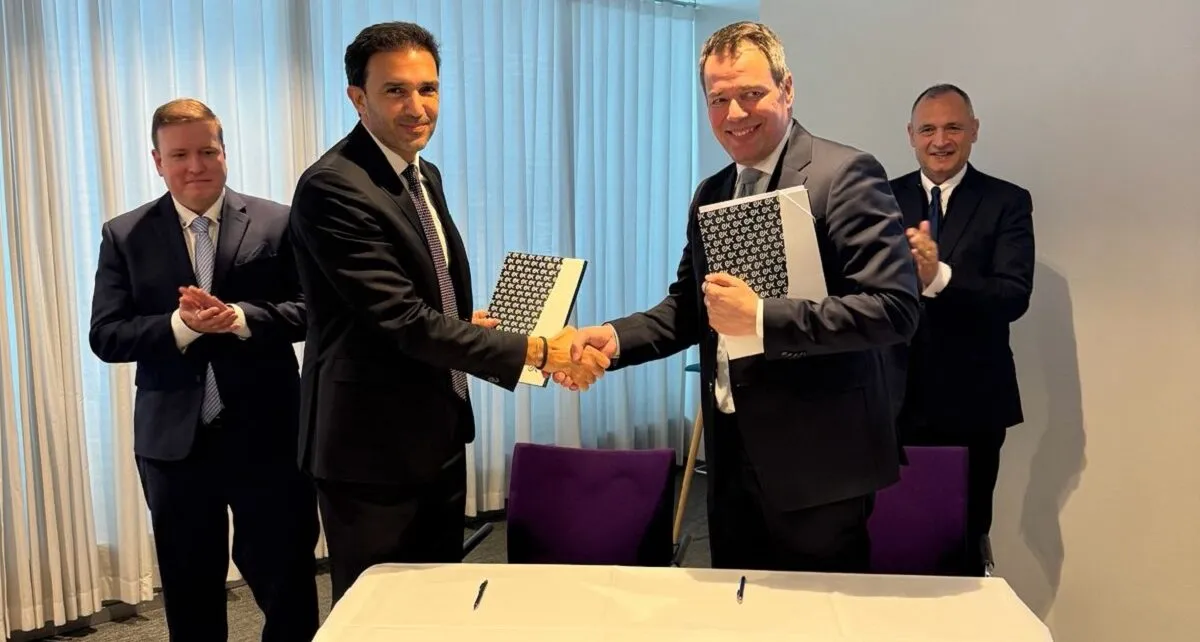
This week in Helsinki, a significant partnership agreement was forged between the General Confederation of Moroccan Enterprises (CGEM) and the Confederation of Finnish Industries (EK), leading to the establishment of the Morocco-Finland Business Council. This new bilateral platform aims to facilitate ongoing dialogue and co-investment opportunities within the private sector. The signing ceremony took place during the Finland-Morocco Economic Forum, an event co-hosted by both organizations, and was attended by key figures including Morocco’s Minister of Industry and Trade, Ryad Mezzour, and Finland’s Minister of Foreign Trade and Development, Ville Tavio.
The agreement was officially signed by CGEM President Mehdi Tazi and EK Executive Vice President Petri Vuorio. Notably, this visit marks Tazi's first significant international engagement since his election to the CGEM presidency two weeks prior, where he garnered an impressive 91.5 percent of the vote. The choice of Finland—a recognized leader in technology and engineering, particularly in sectors such as maritime industries, mining, decarbonization solutions, automation, and water management—demonstrates a strategic alignment with Morocco’s industrial transformation objectives.
Creating Synergies for Future Industries
The new Business Council is envisioned as a structured framework to enhance synergies between Moroccan and Finnish businesses, focusing on prospective industries, technology exchange, and collaborative project initiatives. The forum itself delved into five pivotal themes: advanced maritime technologies, mining, industrial decarbonization solutions, automation, and water management—domains where Finnish companies excel internationally and where Morocco is eager to establish partnerships that will bolster its industrial advancements.
During the forum, Tazi took the opportunity to elaborate on Morocco’s trajectory toward industrial modernization, highlighting the country's significant progress in sectors such as automotive, aeronautics, renewable energy, and green hydrogen, all of which are drawing consistent foreign investments while increasingly localizing their supply chains. He also underscored Morocco’s strategic positioning as a gateway to African markets, referencing critical infrastructure developments like the Tanger Med, Nador West Med, and the upcoming Dakhla Atlantic Port, which are essential for deploying industrial value chains on a continental scale.
The Helsinki agreement is part of a broader trend of establishing bilateral business councils, a movement that has accelerated in 2026 under the new CGEM leadership, whose agenda emphasizes expanding international partnerships, particularly in Europe. The recent designation of Morocco as Africa’s leading industrial economy by the African Development Bank adds weight to these outreach efforts, reinforcing the importance of showcasing Morocco’s industrial credentials to nations that are still becoming acquainted with the country's economic potential.
As reported by northafricapost.com.