
The ambitious project aimed at establishing the world's largest undersea electricity connection between Morocco and Germany has entered a new phase, marked by a significant political signal from Rabat, indicating its commitment to advancing the initiative. This development comes as a response to various challenges the project has faced in recent months, which have raised concerns about its viability.
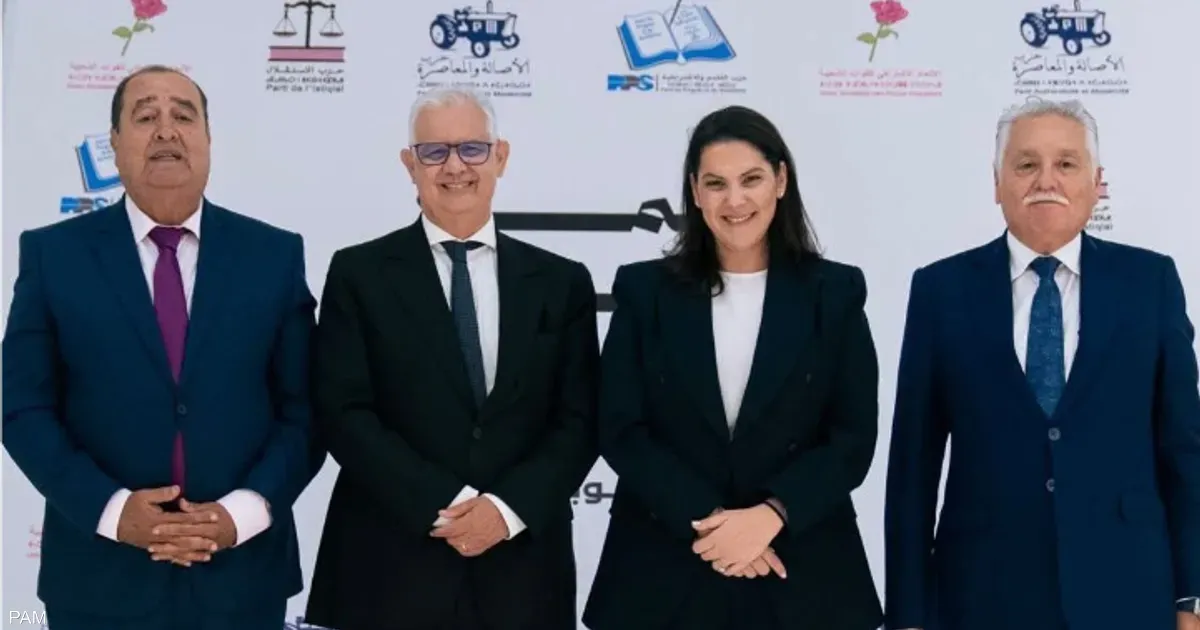
Leila Benali, Morocco's Minister of Energy Transition and Sustainable Development, has communicated the country's readiness to engage in discussions with the German government regarding the further development of the 'Sila Atlantic' project. This initiative aligns closely with Morocco's strategic vision, as highlighted in her correspondence with Frank Wetzel, the German State Secretary for the Economy and Energy. This renewed Moroccan stance follows Berlin's expressed interest in the project, as the German government previously indicated its desire to continue negotiations on this energy partnership that has existed between the two nations since 2012.
Overview of the Sila Atlantic Project
The 'Sila Atlantic' initiative is designed to facilitate the transmission of renewable energy generated from solar and wind projects in Morocco to Germany via two high-voltage direct current (HVDC) undersea cables. Once completed, it will become the largest undersea electricity interconnection between Africa and Europe, with a targeted capacity of approximately 3.6 gigawatts. The project aims to produce around 26 terawatt-hours of electricity annually for export to Germany, which would account for roughly 5% of the country's current electricity consumption. This connection will harness Morocco's abundant solar radiation and wind resources, providing a direct supply of renewable electricity to the European market.
Despite the potential benefits of this project, it has faced significant hurdles that have raised doubts about its ability to transition from planning to execution. The German government expressed interest in the project back in February 2026, reiterating its commitment to ongoing discussions, and the recent political move from Morocco serves to energize the negotiation process.
Challenges Ahead for the Sila Atlantic Initiative
While the political backing from Morocco is an encouraging sign, the Sila Atlantic project still confronts several critical challenges that could threaten its future. Among these is Morocco's insistence on formalizing a governmental agreement that guarantees long-term support from Berlin, which would provide greater certainty for investors and financiers during the development, execution, and operational phases. Furthermore, Morocco seeks to establish a bi-directional electricity interconnection that would allow power exchange between the two countries, rather than limiting the flow of electricity solely from Morocco to Germany. Although technically feasible, this option could increase the project's economic costs, complicating financing efforts.
Additionally, the project faces issues concerning the allocation of land necessary for renewable energy projects, alongside the need for substantial investments to implement the required infrastructure and undersea transmission lines. The total estimated investment for the Sila Atlantic initiative stands at around $30 billion. The next stages of development will require decisive resolutions on technical, commercial, regulatory, and financial aspects, as well as a clear agreement on risk-sharing mechanisms among the involved parties.
As reported by attaqa.net.