
Strengthening Economic Ties between Morocco and India
In a significant diplomatic and commercial move, Morocco and India are setting their sights on doubling their trade volume to mark a new strategic phase in their bilateral relations. During the seventh session of their Joint Committee held in Rabat, high-ranking officials from both nations expressed a shared ambition to invigorate their existing partnership, which currently boasts trade exchanges nearing four billion dollars. The Indian diplomatic mission has articulated a robust target, aiming for this trade volume to double within the next five years, as noted by the weekly magazine Challenge.
This political will is grounded in solid factual foundations, supported by prospective studies that reveal an untapped commercial growth potential estimated at 2.6 billion dollars. Projections indicate that Morocco has an export growth reserve of about 1.4 billion dollars towards the Indian subcontinent, while Indian companies could supply nearly 1.2 billion dollars worth of additional goods to Moroccan markets.
Expanding Beyond Traditional Trade
However, the fundamental challenge lies in qualitatively transforming these trade relations. The objective is to elevate the bilateral relationship beyond a traditional model reliant on a limited range of commodities, such as the historically dominant phosphates, and shift towards a more diversified industrial approach. The focus is now on encouraging cross-investments, establishing strategic joint ventures, and integrating within increasingly cohesive global value chains.
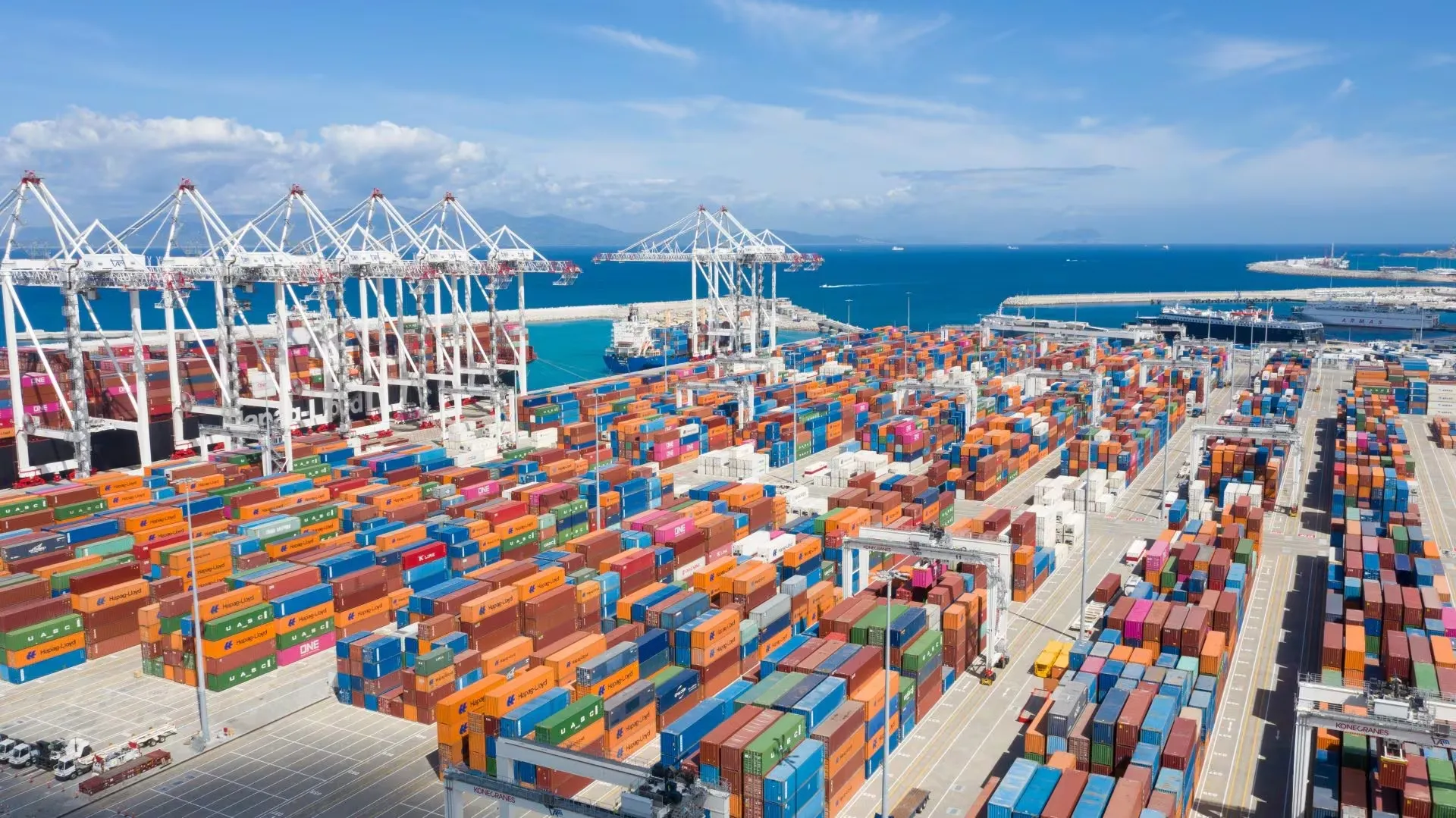
In this context, several strategic sectors have been identified as key drivers for this new phase of cooperation. The automotive industry, electrical equipment sector, renewable energy technologies, pharmaceutical industry, infrastructure development, and digital fields are poised to form the foundation of these future operational synergies. The geographical and economic complementarity between the two partners enhances the appeal of such an alliance. Morocco, with its advanced logistics infrastructure and a dense network of free trade agreements, presents itself as an ideal hub for Indian investors looking to expand into sub-Saharan Africa and Europe. In turn, Morocco seeks to attract capital, technological expertise, and industrial know-how from the world's fifth-largest economy while providing its own economic operators with genuine growth opportunities in the Asian market.
To transform these ambitions into tangible results, both governments are determined to tackle structural barriers resolutely. The gradual elimination of non-tariff barriers, simplification of access procedures to each other’s markets, and enhancing business contacts rank among the immediate priorities. The institutionalization of a joint working group dedicated to monitoring trade, along with the consideration of a preferential trade agreement, is expected to provide the necessary legal and technical framework for the anticipated resurgence. Ultimately, the trajectory outlined during the discussions in Rabat transcends mere trade accounting. By laying the groundwork for a comprehensive alliance focused on co-production, technological innovation, and sustainable investment, Rabat and New Delhi aspire to establish the Morocco-India axis as a leading economic corridor between Africa and Asia.
As reported by fr.le360.ma.