
Morocco and India Shift Focus Away from Russian Amur Submarine
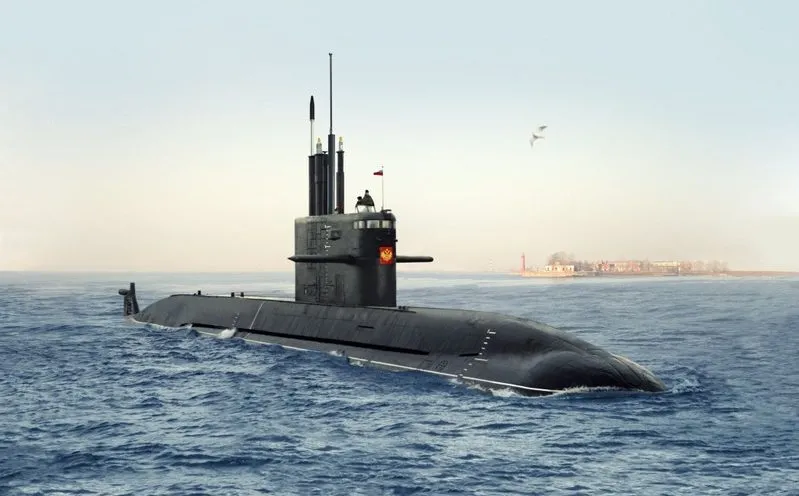
A recent defense report highlights that the slow progress and ongoing technical issues associated with Russia's Amur-class submarines have prompted several nations, including Morocco and India, to rethink their acquisition plans and explore more ready and reliable alternatives. According to the report published by 19 Forty Five, the Amur submarine, marketed as a modernized export model derived from the well-known Kilo-class submarines, has yet to secure any sales in international markets, despite initial promises regarding its stealth capabilities and advanced armament.
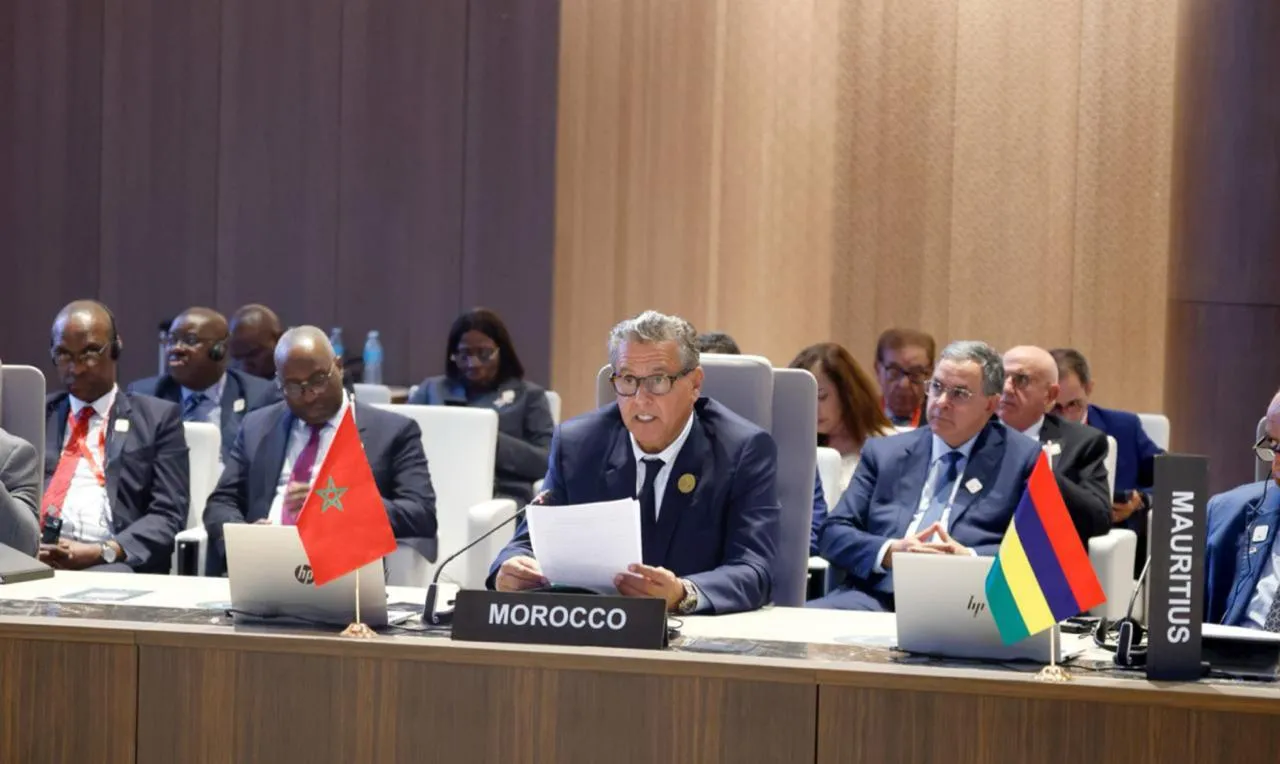
India, in particular, was among the primary countries considering the Amur-1650 variant as part of its naval program. However, concerns regarding potential delays in the Russian project, which could extend beyond 2030, led India to opt for French Scorpène submarines instead. Similarly, Morocco had engaged in discussions with Moscow regarding the potential acquisition of the Amur submarine. Nevertheless, the deal remains unresolved due to the absence of a completed model in this class, causing the Moroccan government to approach the Russian offer with caution, especially given the presence of competitive bids from European manufacturers, particularly from France and Germany.
Concerns Over Technical Challenges and Project Delays
The report further emphasizes that Russia has positioned the Amur as a next-generation submarine, featuring air-independent propulsion (AIP) systems and vertical launch capabilities for cruise missiles, along with enhanced stealth compared to its predecessor, the Kilo. However, these assurances have not yet materialized into practical outcomes, as no submarines of this class have been constructed to date. This has raised significant doubts among potential buyers regarding the viability of the project, which has also faced substantial technical hurdles, particularly related to combat management systems and compatibility with sonar systems. These issues had previously emerged with the parent Lada-class submarine, adversely affecting the project's reputation.
These setbacks have even led the Russian Navy to hesitate in making further investments in the project, which in turn impacts its export potential. Additionally, the Western sanctions imposed on Russia since the onset of the war in Ukraine have complicated matters further, affecting Moscow's ability to procure essential components and consequently slowing down production and development timelines. Other nations, such as China and Argentina, which had previously shown interest in the Amur project, have refrained from signing any contracts, opting instead to pursue more advanced alternatives or develop their programs.
As reported by assahifa.com.