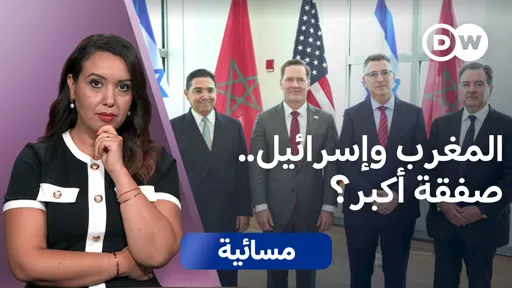

Morocco and Israel Enhance Diplomatic Relations
In a significant diplomatic move, Morocco and Israel have agreed to elevate their diplomatic relations to the level of embassies. This pivotal decision marks a crucial step in the ongoing development of ties between the two nations, which have historically been complex and multifaceted. While some view this action as a long-awaited and necessary progression in their relationship, others speculate that there may be broader political calculations at play, extending beyond the bilateral dynamics between Morocco and Israel.
The announcement comes on the heels of growing international interest in the Middle East and North Africa region, particularly in light of changing alliances and geopolitical strategies. Morocco's decision to formalize its diplomatic presence in Israel is seen as a potential catalyst for further cooperation between the two countries, particularly in areas such as trade, security, and cultural exchange. Analysts are closely watching how this development may influence Morocco’s relationships with other nations in the region, particularly those with differing views on Israel.
As both nations move forward with the establishment of embassies, the implications of this shift will likely be felt across various sectors. The normalization of relations could lead to enhanced economic opportunities, collaborations in technology and agriculture, and potentially a more robust dialogue on issues that have historically been contentious in the region. However, the success of this diplomatic endeavor will depend on the ability of both Morocco and Israel to navigate the complex political landscape and address the concerns of their respective populations regarding this partnership.
In conclusion, while Morocco's elevation of diplomatic relations with Israel may signal a new era of cooperation, the underlying political motivations and regional ramifications warrant close scrutiny. The international community will be keenly observing how this relationship evolves and what it means for the broader geopolitical context in the Middle East.
As reported by dw.com.