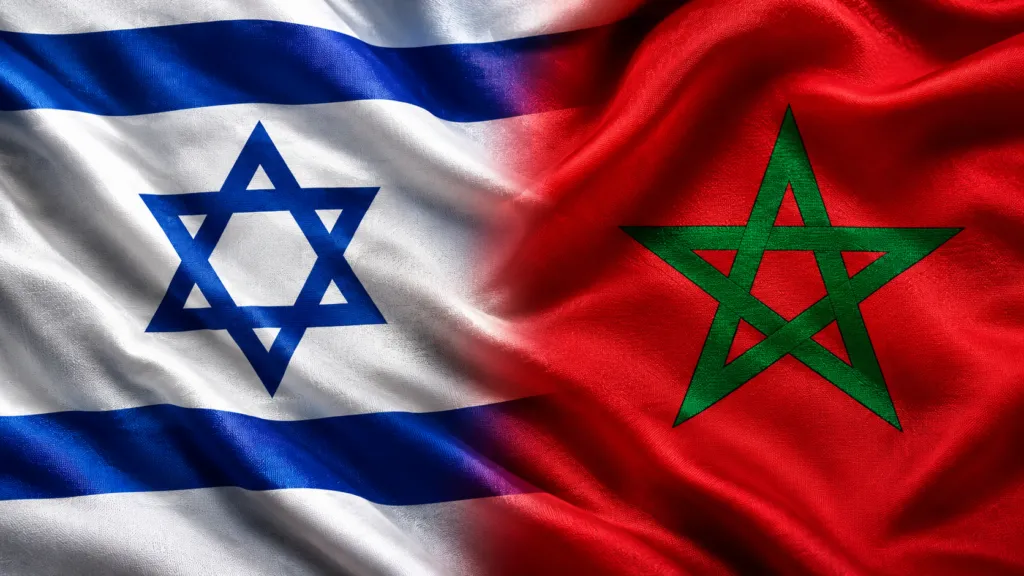

In a significant diplomatic development, Morocco and Israel have agreed to elevate their diplomatic relations to the level of full embassies, along with a mutual exchange of ambassadors. This decision, which has been met with backlash from Moroccan anti-normalisation activists, was finalized during a trilateral meeting held in New York City. The meeting involved Moroccan Foreign Minister Nasser Bourita, Israeli Foreign Minister Gideon Sa’ar, and US Ambassador to the United Nations Mike Waltz.
The new agreement signifies a substantial enhancement of the existing diplomatic missions between Morocco and Israel, transitioning them into full embassies. In addition to appointing ambassadors, the two nations have committed to restoring and expanding direct flight services, facilitating high-level bilateral visits, and deepening their economic and trade relations. A joint statement released following the discussions outlined plans to finalize agreements on investment protection and the prevention of double taxation by the end of 2026.
Furthermore, the resumption of direct flights operated by both Moroccan and Israeli airlines is anticipated before the year's end. The statement emphasized that establishing "full diplomatic, peaceful and friendly relations" between Morocco and Israel aligns with the interests of both countries and is poised to contribute positively to regional peace.
International Reactions and Implications
Israeli Foreign Minister Gideon Sa’ar expressed his enthusiasm for the agreement, highlighting its potential benefits for both nations. He acknowledged the pivotal role played by the United States in fostering these improved relations and confirmed that the implementation of the new measures would occur swiftly. US Ambassador Mike Waltz portrayed the agreement as a testament to the lasting impact of the Abraham Accords, which were initiated during Donald Trump’s presidency. He asserted that the accords have endured various challenges and reaffirmed that cooperation between Morocco and Israel would expand into areas such as security, trade, and regional integration.
This diplomatic shift follows Morocco's restoration of relations with Israel in December 2020 as part of a US-brokered trilateral agreement, which included US recognition of Moroccan sovereignty over the contested Western Sahara territory. Throughout the latest discussions, the United States and Israel reiterated their acknowledgment of Morocco's claims over Western Sahara, further cementing their partnership.
Domestic Opposition and Concerns
Despite the optimism expressed by officials, the agreement has sparked significant opposition from the Moroccan Observatory Against Normalisation. This organization publicly condemned the decision to upgrade diplomatic relations, characterizing it as an escalation of Israeli influence in Morocco’s political, cultural, and social spheres. They vehemently rejected the notion of Morocco becoming a “zone of influence for the Zionist project” and criticized the association between Morocco’s normalisation efforts and the ongoing Western Sahara dispute.
The Observatory argues that linking Morocco's territorial claims to Israel not only undermines the legitimacy of those claims but also compromises Morocco's sovereignty. This backlash reflects a broader sentiment in Morocco, where pro-Palestinian demonstrations have surged, particularly following Israel's military actions in Gaza. Many protesters have called for the Moroccan government to sever its ties with Israel, illustrating the ongoing tension between diplomatic developments and public sentiment.
As Morocco seeks to deepen its ties with Israel, it is navigating a complex landscape of international diplomacy and domestic opposition. The move to establish full embassies marks a new chapter in Moroccan-Israeli relations, yet the implications of this decision will continue to unfold in the context of regional dynamics and public opinion.
As reported by 5pillarsuk.com.