
In a significant diplomatic development, Morocco and Israel have agreed to enhance their bilateral relations following a meeting on September 16 between Israeli Foreign Minister Gideon Saar and Moroccan Foreign Minister Nasser Bourita in New York. This agreement includes upgrading their diplomatic missions to embassies and appointing ambassadors, a move that reflects a deeper commitment to fostering ties between the two nations. Additionally, the agreement encompasses two other crucial accords focused on investment protection and double taxation, which are expected to be finalized by the end of the year.
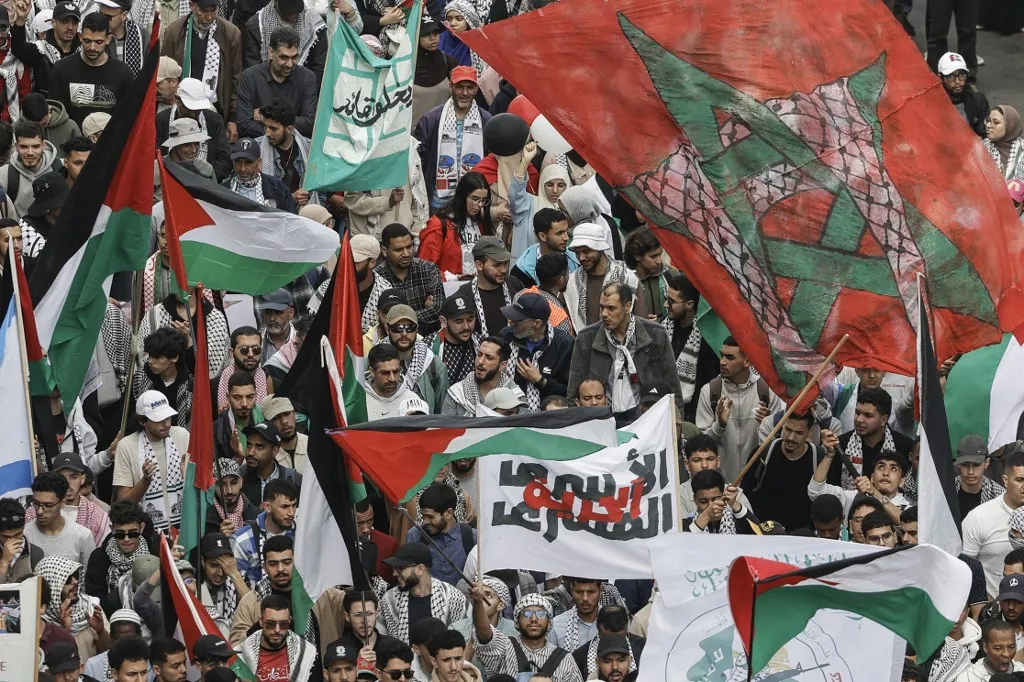
Despite this advancement in diplomatic relations, the decision has sparked considerable discontent among the Moroccan public, who largely support the Palestinian cause and have expressed strong opposition to the normalization of ties with Israel. This normalization process was initially formalized by the Abraham Accords in 2020 during the presidency of Donald Trump, a decision that has been contentious among various political factions within Morocco.
Public Sentiment and Political Reactions
In a joint statement issued by the United States, Israel, and Morocco, the leaders emphasized that the new agreement "reaffirms the spirit of the Abraham Accords" and outlined a belief that fostering full diplomatic relations serves the common interest of advancing peace and unlocking new opportunities within the region. However, this sentiment is not universally shared within Morocco, as many citizens and political groups vehemently oppose the normalization efforts. The Justice and Development Party (PJD), for instance, has openly condemned the recent diplomatic upgrades, reiterating its steadfast opposition to any form of agreements with Israel.
Hassan, a PJD member, clarified that while the party was in power during the signing of the Abraham Accords, the decision was ultimately made by the Moroccan king, asserting that the head of government lacks authority over international relations. This points to a significant power dynamic within Moroccan politics, where the monarchy plays a pivotal role in foreign policy decisions. The recent announcement regarding the upgrade of ties came at a time when the Moroccan government is in a caretaker capacity, further complicating public and political discourse surrounding the issue as the country approaches general elections.
Moreover, PJD is not alone in its criticism; the Islamic movement Al Adl Wal Ihsane has also denounced the deepening ties, stating that such actions are a blatant affront to Moroccan sentiments. Dr. Boubker El Ounkhari, a member of this movement, emphasized the need for pressure on Israel regarding its actions in Palestine, arguing that strengthening diplomatic relations instead serves to undermine the Palestinian cause.
Implications of Enhanced Relations
The Moroccan government has framed the enhancement of ties with Israel as a means to provide assistance to Palestinians, with officials claiming that stronger relations will allow Morocco to act as a mediator and advocate for Palestinian rights. However, critics argue that this rationale does not hold up against the reality faced by Palestinians, particularly in light of recent violence and the ongoing humanitarian crisis in Gaza. Ahmed Ouihmane, president of the Moroccan Observatory Against Normalisation, challenged the government's assertions, questioning what tangible benefits have been realized for Palestinians under the current normalization framework.
The geopolitical landscape surrounding Morocco's decision is further complicated by its historical rivalry with Algeria over Western Sahara, as well as Morocco's strategic interests in maintaining good relations with the United States. The U.S. has supported Morocco's claims over Western Sahara in exchange for the normalization of relations with Israel, a move that continues to shape the kingdom's foreign policy. As Morocco prepares for its upcoming elections, the implications of these diplomatic maneuvers may play a crucial role in influencing public sentiment and political alignments within the country.
In conclusion, while the Moroccan government seeks to position itself as a facilitator of peace and stability in the region, the public's response reflects a profound discontent with the government's direction regarding relations with Israel. The ongoing protests and collective efforts from various political and civil society groups indicate a strong sentiment that prioritizes Palestinian rights and voices. As Morocco navigates this complex diplomatic terrain, the future of its relations with Israel remains intricately tied to the will of its people.
As reported by middleeasteye.net.