
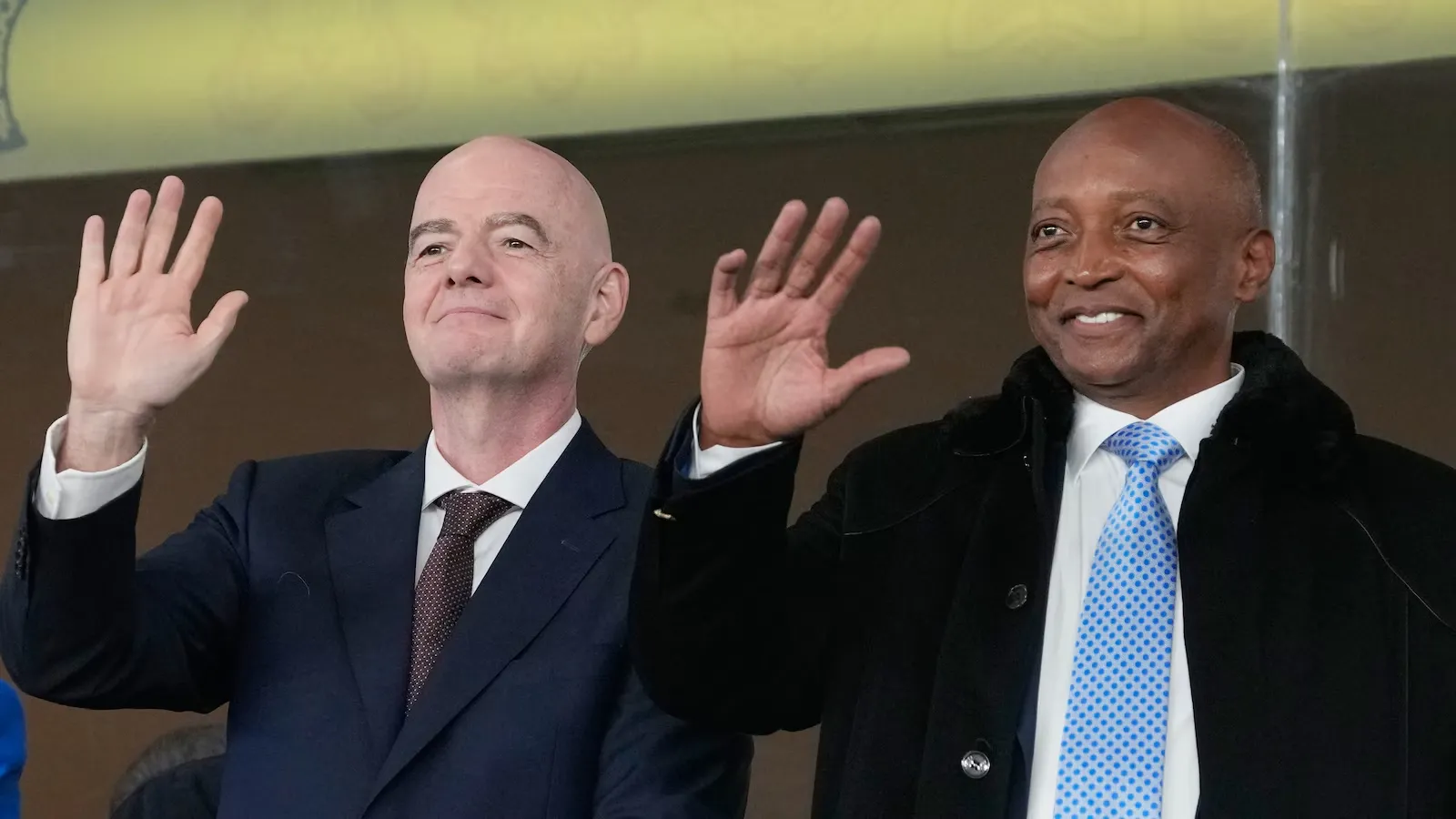

In a heated dispute over the rights to host the final match of the 2030 World Cup, Morocco and Spain are making competing claims as FIFA remains silent on the ultimate decision. This rivalry is taking place in a backdrop of political tension, with FIFA president Gianni Infantino caught in the crossfire, as both nations assert their desire to showcase their soccer prowess on such a prestigious stage.
The aftermath of the 2026 World Cup, which saw Spain emerge victorious, has intensified the competition between the two nations. While Spanish officials argue their case based on their recent success, Moroccan officials are equally adamant about their claim, with Morocco's soccer federation president, Fouzi Lakjaa, declaring that the final will indeed take place in Benslimane. Lakjaa's statements at a political rally highlight a confident stance as he proclaimed, "The city is Benslimane, the Hassan II stadium is the stadium, and I hope that Morocco will be playing it." This fervor reflects Morocco's ambition to host the global soccer event, tapping into national pride and regional aspirations.
Conversely, the head of the Spanish soccer federation, Rafael Louzán, has asserted that Spain rightfully deserves to host the final, citing the nation’s status as a world champion in both men's and women's soccer. Louzán expressed disappointment over the lack of clarity in the bidding process, stating, "It’s too bad that, regarding the final, it wasn’t made clear, totally clear, where it is to be played." His comments underline the importance of the final match not just as a sporting event but as a symbol of national recognition and pride.
The 2030 World Cup, which is set to be a collaborative event between Spain, Portugal, and Morocco, is seen by some European soccer officials as an opportunity to strengthen ties between Europe and Africa. However, the ongoing diplomatic tensions, particularly related to recent border crossings of migrants from Morocco into Spain, add complexity to the situation. The Spanish government faces pressure at home to adopt a tougher stance towards Morocco amidst allegations of complicity regarding the migrant crisis, which has strained relations between the two nations.
As FIFA prepares to make its decision, the implications of this rivalry extend beyond the soccer field, touching on broader issues of regional governance, diplomacy, and national identity. With the King Hassan II Stadium in Benslimane projected to accommodate 115,000 spectators, Morocco is making significant strides to enhance its infrastructure in anticipation of hosting such a monumental event. Meanwhile, Spain can boast of its iconic stadiums, such as those of Real Madrid and Barcelona, which also stand as potential venues for the final match.
As reported by abcnews.com.
