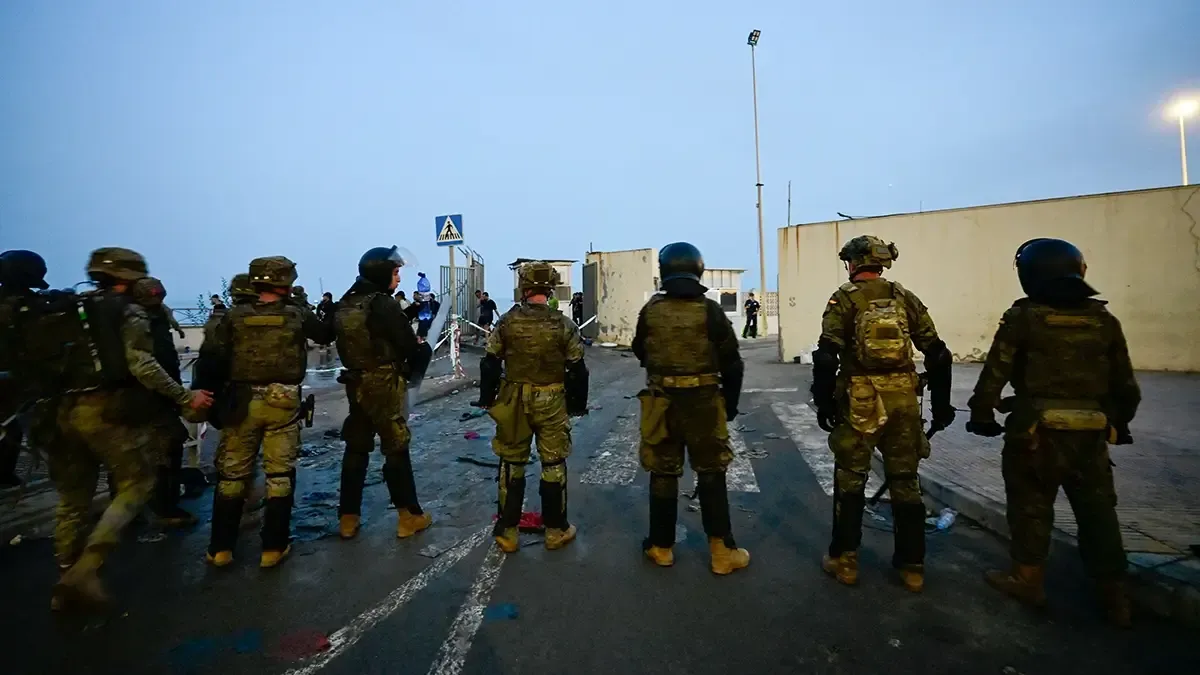

In a significant display of cooperation, **Morocco and Spain** have united to fortify their border in response to escalating online calls for mass attempts to breach the fences surrounding Ceuta and Melilla. This joint effort has led to the deployment of a robust **police shield** designed to effectively block access from both sides of the border as they prepare for potential surges in migration attempts, particularly on August 15. The recent tragic events of July 30, when a large influx of migrants overwhelmed local resources, have underscored the urgency of this situation, resulting in a painful loss of life that both nations are keen to avoid repeating.
In the lead-up to this new date of concern, the **territorial blockade** has been tightened from Tetouan to the Nador province, with security forces intensifying their presence and vigilance along key routes. The Moroccan authorities, particularly the **General Directorate for National Security (DGSN)** and the Royal Gendarmerie, have implemented stringent measures, establishing checkpoints that scrutinize all traffic heading north. As journalist Ahmed Biyuzan reports, identity checks have become increasingly common, with security personnel detaining individuals suspected of attempting to cross the border illegally and swiftly transporting them out of the province.
Aerial surveillance has also escalated, with Moroccan Armed Forces helicopters patrolling the area to prevent the formation of makeshift camps. On the ground, newly erected metal barriers along the main access road to the Bab Sebta crossing serve as emergency deterrents against potential crossings. However, this approach has drawn criticism from human rights organizations, who have raised concerns about the enforcement practices employed. Said Haddad, head of the Nador branch of the **Moroccan Association for Human Rights (AMDH)**, has lodged complaints regarding the treatment of young people intercepted on the streets, who are reportedly being transported to remote locations away from urban areas.
Heightened Security Measures in Spain
On the Spanish side, authorities are reacting with heightened vigilance. The **Ministry of the Interior** has dispatched additional security personnel to both autonomous cities, ensuring a continuous presence of units from the **National Police Corps** and the **Civil Guard** at key locations such as Tarajal and Benzú. Command centers have been established to monitor the situation closely, acknowledging that, although many of the social media calls for action may lack substance, the potential for a legitimate influx remains a credible threat. As a result, all leave and temporary permits have been suspended to maintain full operational readiness.
Foreign Minister José Manuel Albares has emphasized the effectiveness of diplomatic channels with Morocco, asserting that both governments are working collaboratively to manage border security while combating human trafficking networks. He has unequivocally warned potential migrants that illegal entry into Ceuta or Melilla does not guarantee the right to remain in Spain or travel freely throughout Europe, stating that those who attempt to cross through illegal means will be apprehended and returned in accordance with the law. The Spanish Embassy in Morocco is actively disseminating this message across various platforms, while logistical support from the **Spanish Armed Forces** bolsters the operational capabilities on the ground. Local authorities are advocating for the establishment of a permanent police presence to ensure that the distressing events witnessed in late July do not reoccur.
As reported by atalayar.com.