
Strengthening Borders Amidst Migration Concerns
On September 23, 2026, Morocco and Spain demonstrated a significant collaborative effort to prevent mass migration attempts towards the disputed territories of Ceuta and Melilla. This proactive strategy appears to be revitalizing relations between the two neighboring countries as both sides fortified their security measures in the border areas. Reports indicate that the situation remained stable and calm throughout the day, with no significant breaches or attempts at illegal crossing being recorded.
In the border region between the Moroccan city of Fnideq and the Spanish enclave of Ceuta, Moroccan authorities heightened their security presence in response to circulating calls for mass crossings. According to reports from the Spanish news agency EFE, the border was on high alert, yet the ground situation remained peaceful on both sides. The increased Moroccan security measures extended beyond the immediate border points to include routes leading from Tangier and Tetouan towards Fnideq, coinciding with social media discussions advocating for crossings into Ceuta and Melilla.
Coordinated Security Efforts Yield Results
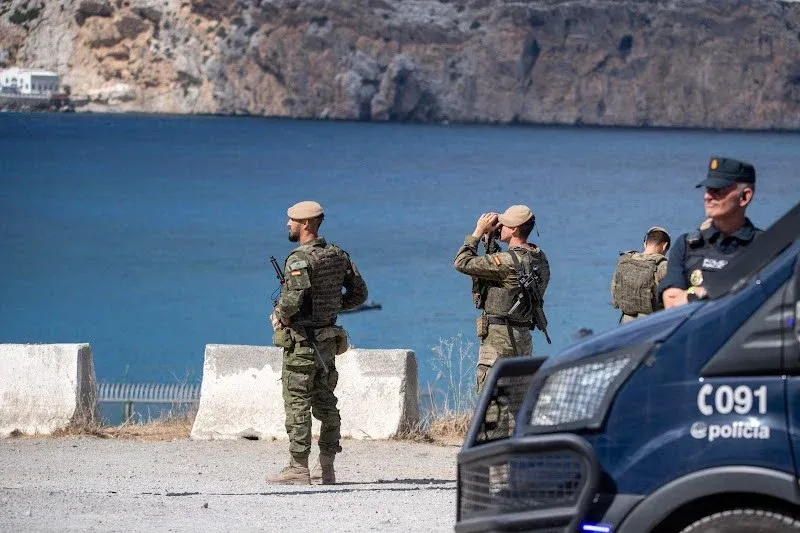
Despite various reports from Spain indicating a potential surge in migration attempts, no collective movements of migrants were observed towards the border from the Moroccan side as of midday. The local media in Ceuta noted a marked Moroccan security presence around the border, complemented by maritime patrols in the region. Images shared by Ceuta TV illustrated a robust security framework on both sides, with the situation described as calm despite the heightened state of alert.
This security augmentation coincided with social media calls for a collective entry on the same day, which also coincided with Morocco's legislative elections. These calls suggested a potential reduction in security personnel at the crossings, a claim that was not substantiated by the current ground data reported by Spanish media outlets.
On the Spanish side, security deployments were intensified starting Tuesday night, with an additional 75 intervention unit officers being dispatched. The Civil Guard also bolstered its presence with three units from its reserve and security groups, while helicopters and drones were deployed for aerial surveillance of the border area.
As for the situation around Benis, EFE reported sightings of sub-Saharan African migrants in the mountainous areas near the border, although no attempts to approach the fence or cross were recorded. Prior reports had mentioned approximately 150 migrants spotted near the Moroccan town of Bouillon, adjacent to the border.
In Melilla, the border remained equally quiet, with Spanish authorities reporting no irregular entries despite the circulating calls for the same day. EFE noted that the security presence was greater than usual, with reinforcements including police and the Civil Guard, alongside aerial monitoring of the border.
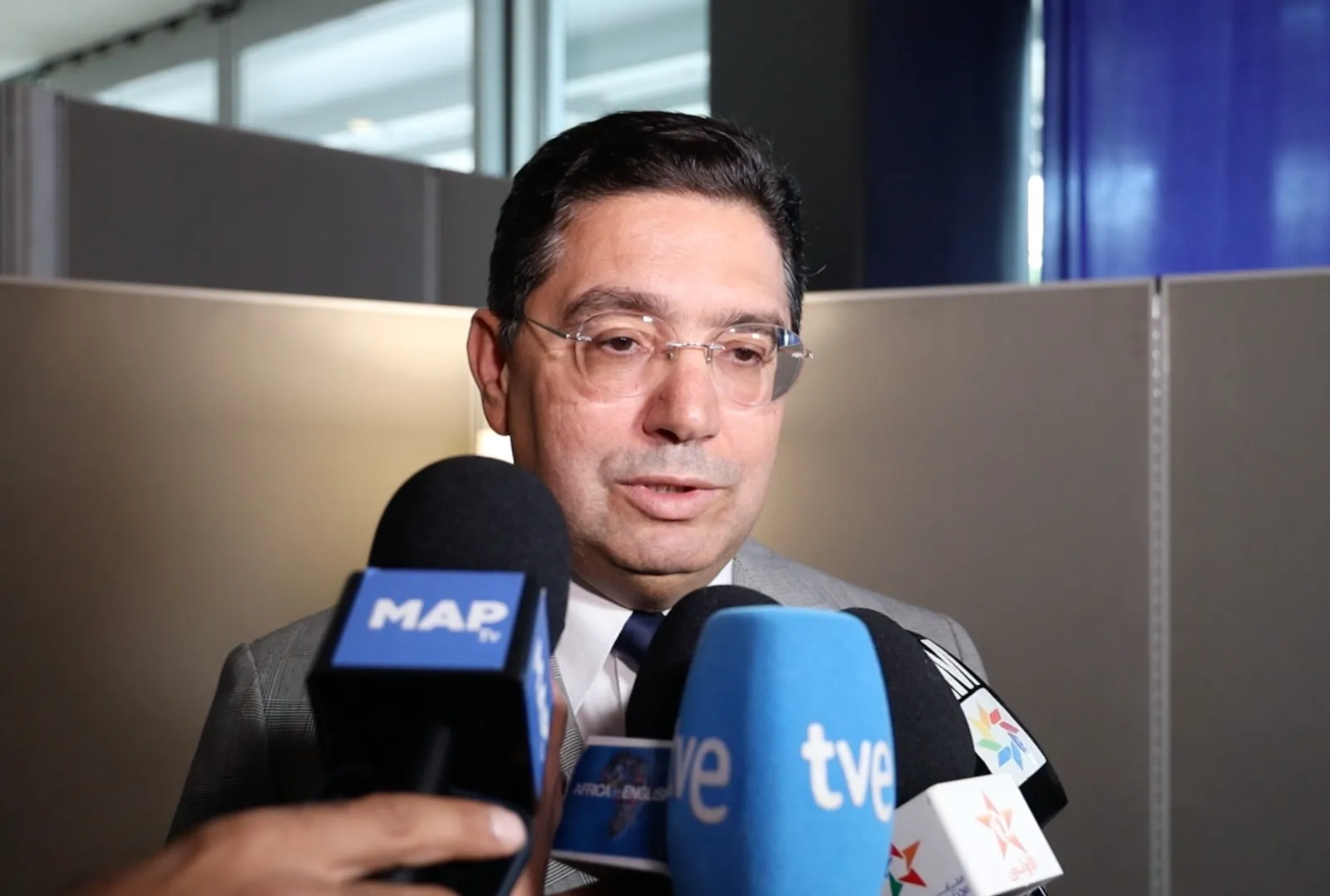
By Wednesday afternoon, available data indicated that the heightened security measures deployed by both Moroccan and Spanish authorities had effectively thwarted the latest calls for mass crossings into Ceuta or Melilla. In light of these developments, Spanish Foreign Minister José Manuel Albares announced an anticipated meeting with his Moroccan counterpart, Nasser Bourita, during the 81st session of the United Nations General Assembly in New York. This meeting aims to further coordinate efforts between Rabat and Madrid on various shared issues, prominently featuring the situation in the occupied city of Ceuta.
Albares emphasized the need for a "calm and measured dialogue" regarding the situation in Ceuta, especially considering the ongoing presence of migrants who arrived during the recent surge of mass crossings.
As reported by hespress.com.