
Upcoming World Cup and Tensions Between Morocco and Spain
As the excitement builds for the joint hosting of the 2030 FIFA World Cup by Morocco, Spain, and Portugal, a recent investigative report sheds light on the complicated and often contentious relationship between Morocco and Spain. The Spanish newspaper 'AS' highlighted various aspects of this conflict, suggesting that underlying tensions may affect their collaboration in hosting the prestigious tournament. The report indicates that there are multiple crises brewing in Morocco, although it lacks concrete evidence to substantiate these claims. It also emphasizes Morocco's growing influence within FIFA, raising concerns that this might sway certain decisions impacting the tournament.
The most recent direct competition between the two nations occurred during the Qatar World Cup, where Spain, under the leadership of Luis Enrique, faced a heartbreaking exit in the Round of 16 after a nail-biting penalty shootout. Officially, the relationship between the two football federations has since been characterized by cordiality, especially with their upcoming partnership. However, a fierce struggle for influence looms on the horizon, and incidents such as anti-Muslim chants in Cornellá could further exacerbate existing tensions.
Morocco's Ambitions and Challenges
This year, Morocco successfully hosted the Africa Cup of Nations, showcasing its state-of-the-art stadiums, which are modern, spacious, and well-equipped. Despite this, the organization faced criticism; reports surfaced concerning inadequate treatment of rival teams regarding transportation and training facilities, allegedly aimed at gaining a competitive edge. Nevertheless, the Moroccan Football Federation remains resolute in its ambition to host the final match of the 2030 World Cup at the still-under-construction Hassan II Stadium in Casablanca. Plans also include staging one of the semifinals at the Moulay Abdellah Stadium in Rabat, which previously hosted the Africa Cup of Nations final.
While the total number of stadiums remains unconfirmed, if FIFA's plans proceed without alterations, Morocco is set to host matches in six venues, while Spain will lead with eleven and Portugal will have three. The efforts to modernize stadiums in Morocco have sparked widespread social controversy, from protests against the mass culling of stray dogs to opposition from youth groups regarding the massive budget allocated for stadiums at the expense of essential services for citizens.
Furthermore, Morocco is heavily focused on strengthening its national team by incorporating players born abroad who are eligible to represent the Atlas Lions. Notable players like Achraf Hakimi and Ibrahim Díaz have committed to the national side, and recent discussions have included the potential inclusion of 18-year-old Thiago Beitar, a rising star at Real Madrid. However, it appears that Beitar prefers to represent Spain. Morocco recognizes that its diaspora across Europe can provide valuable resources for enhancing its national team’s performance. For instance, midfielder Ismail Saibari, born in Spain but later moving to Belgium, has chosen to play for Morocco, as has Elías Akhomach, who represented Spain at youth levels but opted for his parents' homeland in 2023.
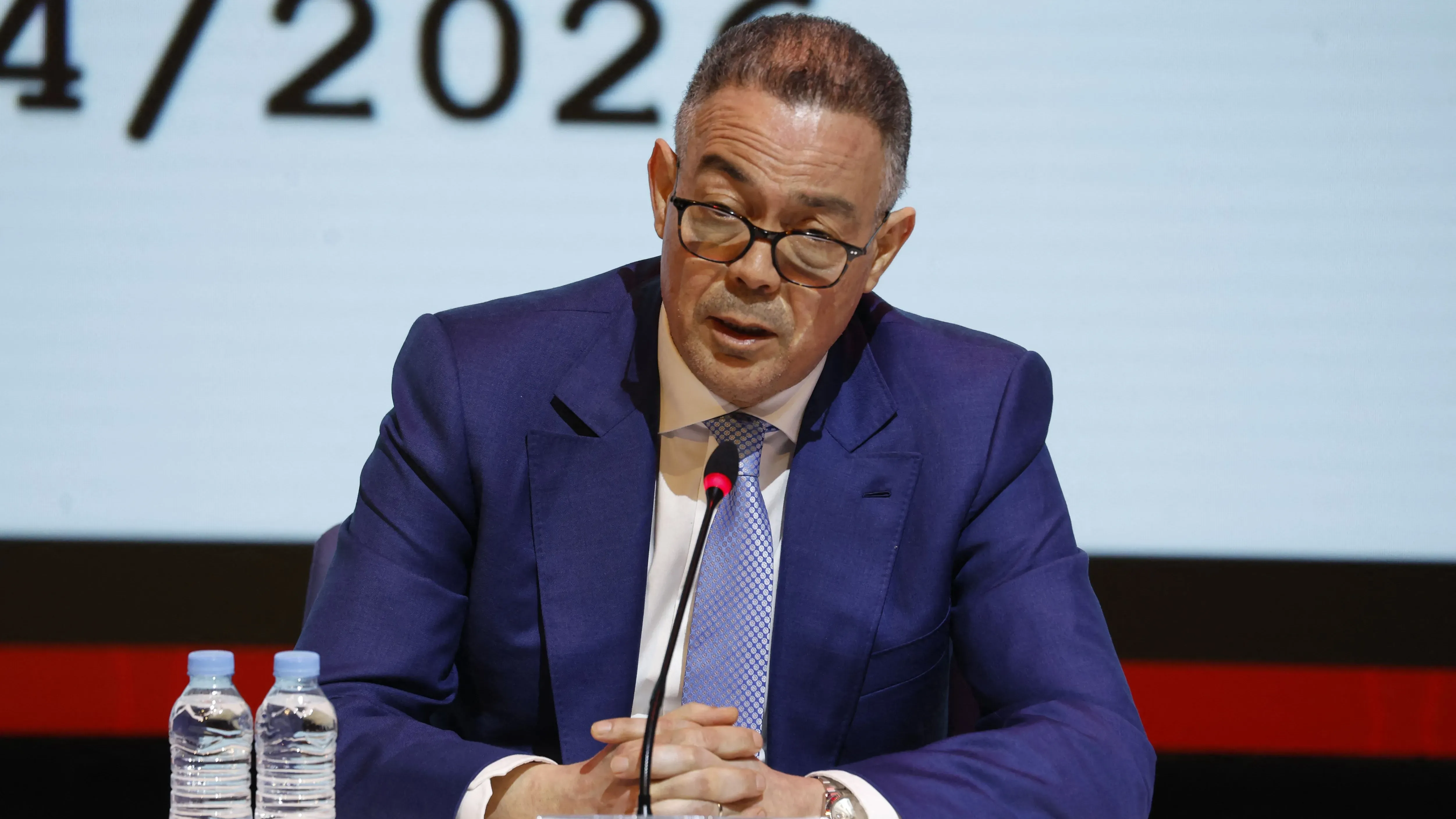
In a strategic push, the Moroccan Football Federation has recently announced the addition of six new naturalized players to the national squad, all young prospects from Belgium and the Netherlands. This initiative underscores Morocco's commitment to enhancing its footballing prowess ahead of the World Cup. Meanwhile, the Confederation of African Football (CAF), led by South African billionaire Patrice Motsepe, maintains a close relationship with FIFA. Motsepe serves as the vice president under Gianni Infantino, and their collaboration is evident in the way African football is governed. Fawzi Lekjaâ, the president of the Moroccan Football Federation, holds significant positions within CAF and FIFA, including being appointed by King Mohammed VI to lead the World Cup Committee for 2030. Infantino has emphasized the importance of unity within Africa to make a real impact in FIFA and the global football community.
Morocco's aspirations are ambitious, particularly following the success of the recent Club World Cup. The nation aims to independently host the 2029 edition of the tournament. Although FIFA has yet to make a final decision amid fierce competition for the event, Morocco is determined to prove its capability to host a global sporting event of such magnitude on its own.
As reported by goal.com.