
Intense Rivalry Over the 2030 World Cup Final
In a compelling showdown, Morocco and Spain are locked in a heated debate over who will secure the prestigious honor of hosting the final match of the 2030 FIFA World Cup. As the dust settles from the recently concluded 2026 World Cup, where Spain emerged victorious, both nations are eager to stake their claims for the next tournament's grand finale. Despite FIFA's silence on the official selection, the competition between these two proud nations is intensifying, with each asserting their readiness and qualifications to host such a monumental event.
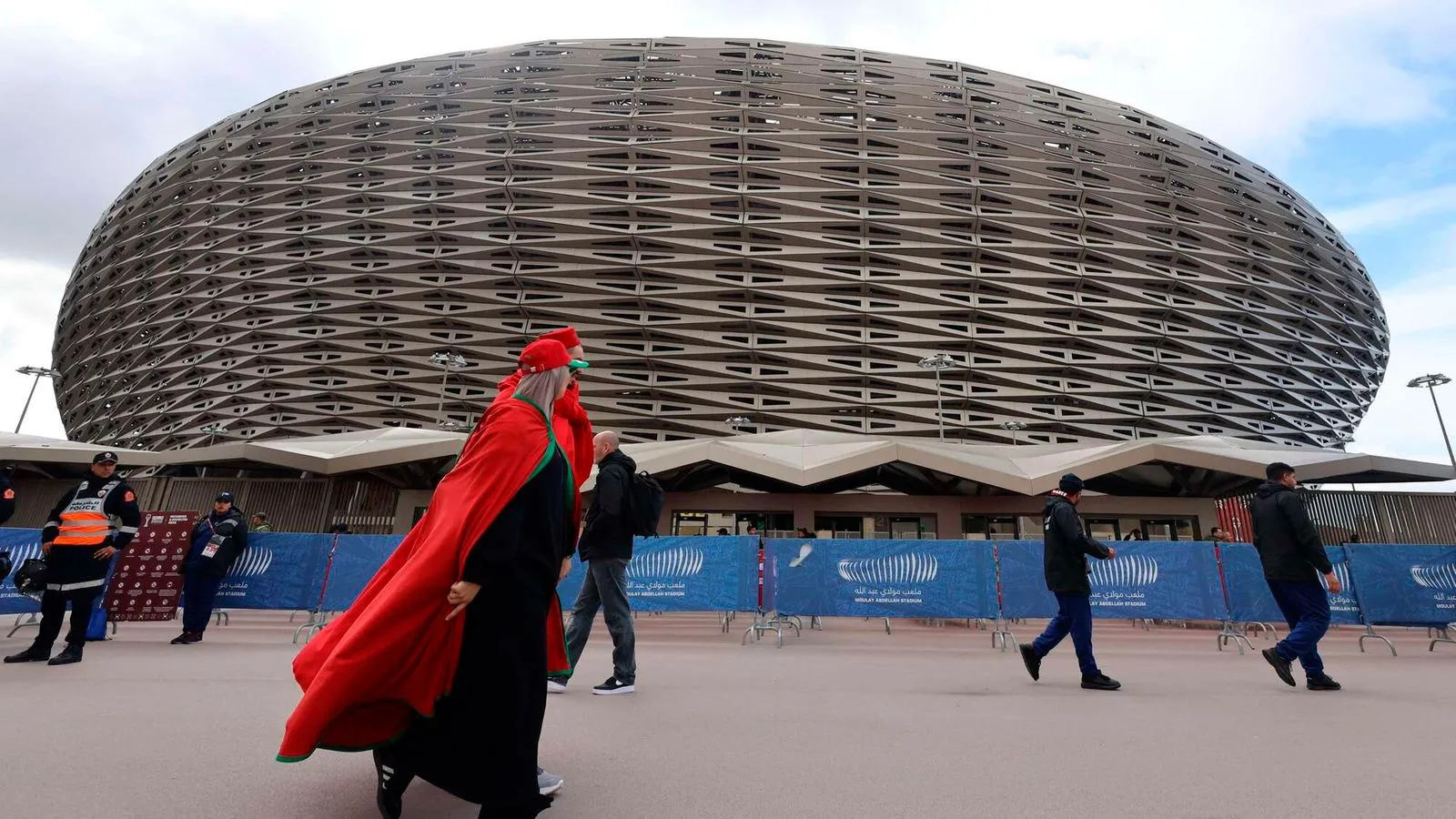
Moroccan soccer federation president, Fouzi Lakjaa, expressed strong confidence during a political rally, proclaiming that the city of Benslimane is set to welcome the World Cup final. He emphasized the significance of the Hassan II Stadium, which is currently under construction and designed to accommodate a staggering 115,000 spectators. His assertive remarks were clear, stating, "The city is Benslimane, the Hassan II stadium is the stadium, and I hope that Morocco will be playing it." This bold assertion underlines Morocco's ambition to host the final and potentially showcase its national team on such a significant stage.
Spain's Claim and Diplomatic Tensions
On the other hand, Spain's soccer federation president, Rafael Louzán, has made it clear that Spain deserves the honor of hosting the final. He acknowledged the uncertainty surrounding the final's location but stressed Spain's status as reigning world champions in both men's and women's soccer, asserting that it should be the host nation. The joint candidacy for the 2030 World Cup includes not just Spain and Morocco, but also Portugal, with plans for a few matches to be held in South America. European soccer officials argue that the event should be viewed as a European occasion, advocating for the final to be held on the continent. This perspective adds another layer of complexity to the ongoing dispute.
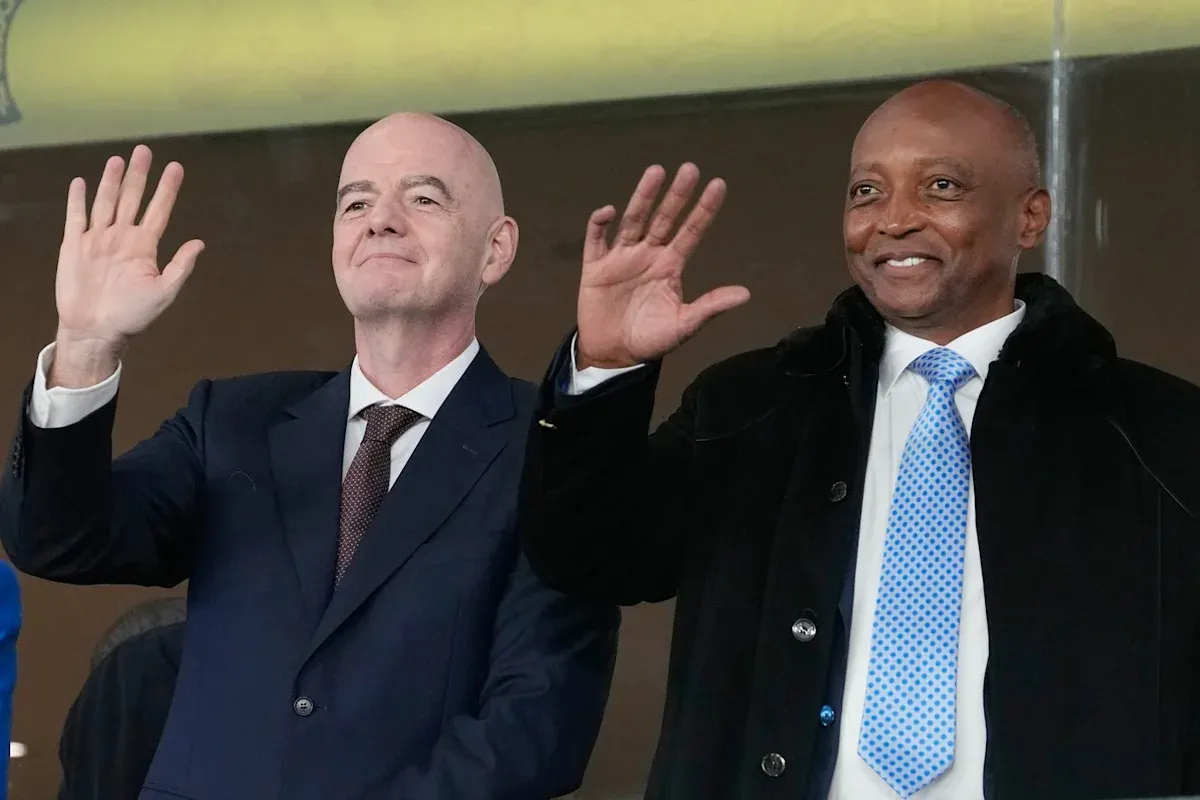
The backdrop of this rivalry is further complicated by existing diplomatic tensions between Morocco and Spain. The recent surge of migrants crossing from Morocco into the Spanish enclave of Ceuta has strained relations, with both governments navigating the political pressures that arise from such crises. The Spanish government faces domestic calls for a tougher stance on Morocco, while still acknowledging Morocco's good faith during the border incidents. Amidst these tensions, FIFA president Gianni Infantino's involvement has not gone unnoticed. Infantino has found support from several Arab nations, including Morocco, which may influence the decision-making process regarding the World Cup final's host.
As the situation unfolds, the soccer world awaits FIFA's announcement on this critical decision, which is expected to come "in due course." The outcome will not only determine the host of the World Cup final but could also have significant ramifications for the diplomatic relationships between these neighboring countries.
As reported by ca.sports.yahoo.com.