
Strengthening Geopolitical Alliances Through Advanced Military Technology
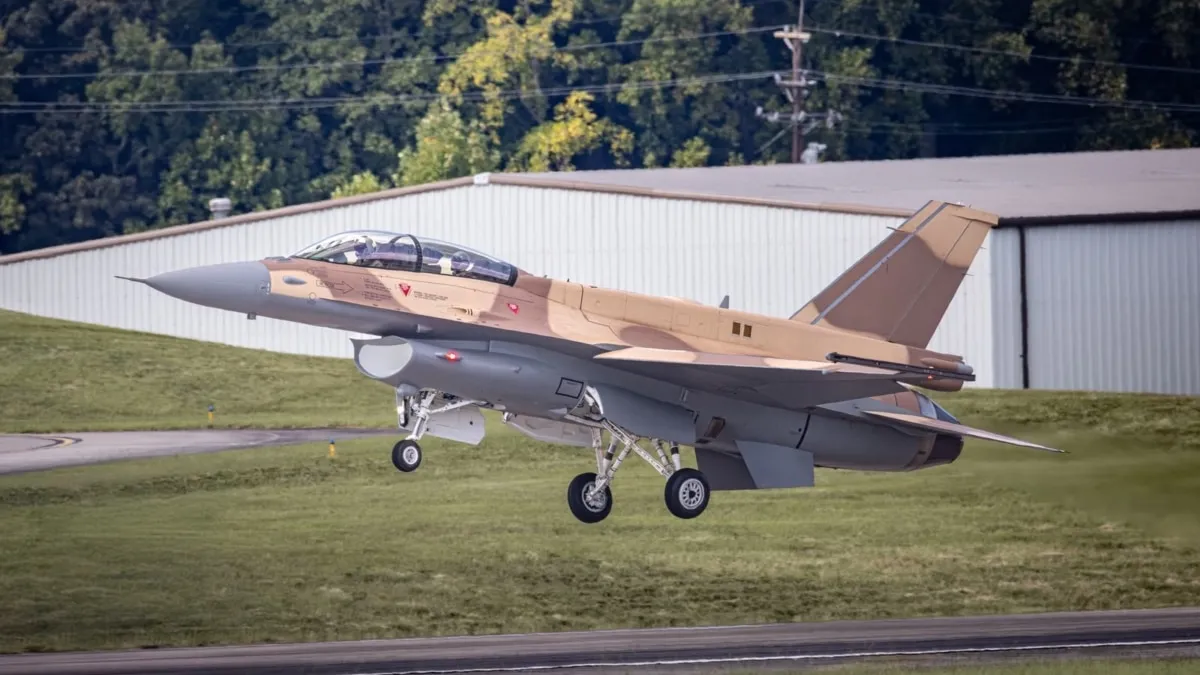
Morocco and the United States, two strategic allies, are deepening their collaboration in the military sector, evidenced by the successful test flight of the F-16 Block 72 fighter jet, the most advanced fourth-generation aircraft in the world, manufactured in the United States. This development comes at a time when Spain faces diplomatic tensions with Morocco stemming from the significant influx of migrants last summer, which saw around 80,000 individuals enter Ceuta. In stark contrast to Spain's position, which appears to drift amid European rearmament and the ramifications of Trump-era policies, Morocco and the U.S. are solidifying a relationship that transcends mere commerce, gaining geopolitical significance. The recent flight of the F-16 Block 72, conducted by a Lockheed Martin test pilot, involved system validations crucial for advancing the aircraft's operational capabilities.
Significant Advancements in Air Defense Capabilities
According to Mike Shoemaker, the Vice President and General Manager of Lockheed Martin's Integrated Fighter Group, this inaugural flight marks a significant milestone in Morocco's F-16 Block 72 program and represents a crucial step in enhancing the nation’s future air defense capabilities. The integration of this advanced aircraft will bolster Morocco's security and aerial defense, while the collaboration with the U.S. and the F-16 remains a vital component of both current and future air defense strategies, contributing to Morocco's sovereignty and regional stability well into the 2060s.
The partnership between Lockheed Martin and Morocco extends back over five decades, beginning with the delivery of the C-130H in 1974. Currently, the Royal Moroccan Armed Forces operate a diverse fleet that includes F-16s, C-130s, advanced radar systems, and Black Hawk helicopters, with future acquisitions expected to include HIMARS systems capable of long-range precision strikes. The estimated cost for the acquisition of 25 F-16 Block 72 aircraft amounts to approximately $3.787 billion. This deal, which received initial approval in March 2019 from the U.S. State Department, aims to enhance Morocco's self-defense capabilities and improve interoperability with the U.S. and other regional allies, reflecting Morocco's active participation in coalition operations, including missions against ISIS in Syria and Iraq.
The F-16 represents the pinnacle of fourth-generation fighter technology, with over 3,100 units currently operational across 29 countries. The new F-16 Block 72 for Morocco is equipped with the Northrop Grumman's SABR APG-83 AESA fire control radar, offering exceptional targeting accuracy in all weather conditions. Notably, one of the standout features of the latest F-16 version is Lockheed Martin's Automatic Ground Collision Avoidance System (Auto GCAS), designed to prevent controlled flight into terrain incidents, which has saved 13 pilots' lives and preserved 12 F-16s since its introduction in 2014. Additionally, the aircraft boasts an extended lifespan of approximately 12,000 flight hours, equating to over 40 years of service for most air forces, with minimal structural repairs required, significantly reducing maintenance costs.
As reported by elindependiente.com.