
The current upheaval in the phosphate market has presented a golden opportunity to revive mining operations in Tunisia and integrate them into Morocco's robust industrial engine. This strategic alliance aims to establish a vital logistical corridor in the Maghreb, ensuring that the United States and Europe have a reliable supply of fertilizers. Consequently, the phosphate industry is now positioned at the very center of global food security.
Phosphate has transitioned from being merely an agricultural commodity to a critical national security resource. Recent disruptions in global supply chains have highlighted the dangers of relying on a limited number of suppliers. This has prompted Washington to closely monitor both Morocco and Tunisia, as it urgently seeks alternatives to diversify its procurement of strategic minerals and reduce its dependence on China.
Alarm bells rang when Beijing announced a freeze on its phosphate exports until August 2026, causing international markets to falter and compelling the United States to classify phosphate, for the first time, as a critical mineral of high economic importance. The discussion has shifted from ordinary agriculture to recognizing phosphate as a key resource essential for the geopolitical stability of the West.
The Supply Crisis and Morocco's Role as a Global Phosphate Power
When China restricted its exports to safeguard its domestic consumption, fertilizer prices surged, escalating the costs for farmers and inflating grocery prices for consumers. In this scenario, the Maghreb emerges as the most viable long-term option, thanks to its strategic geographical position and strong political ties with Western nations.
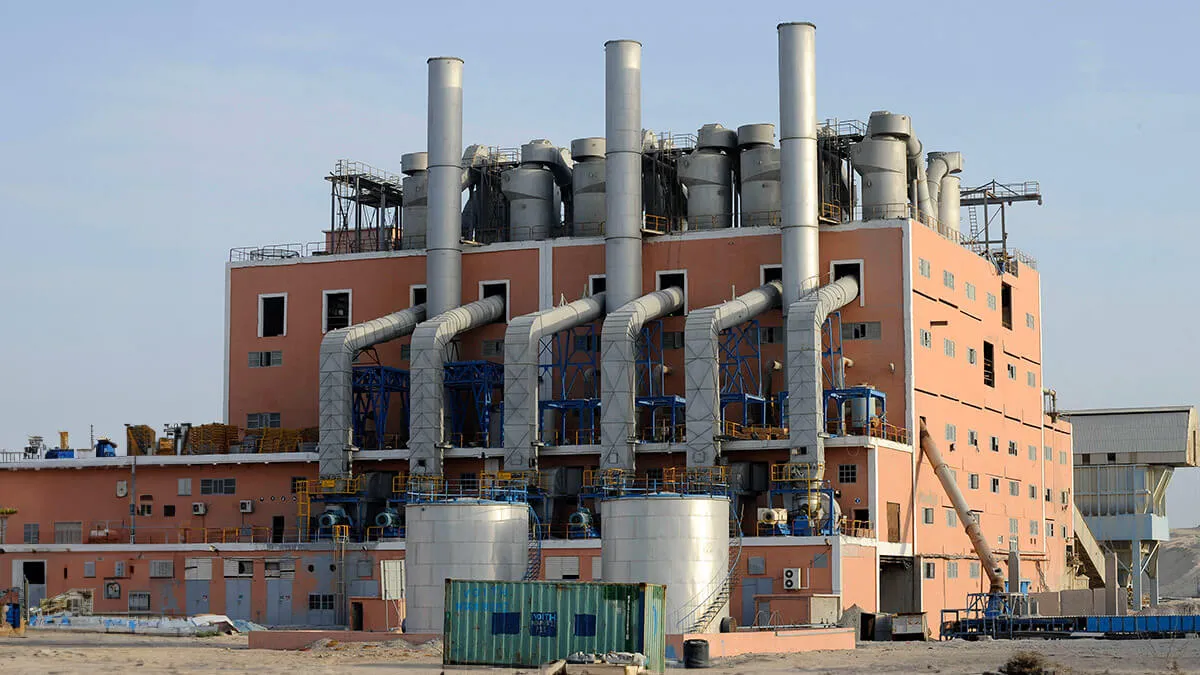
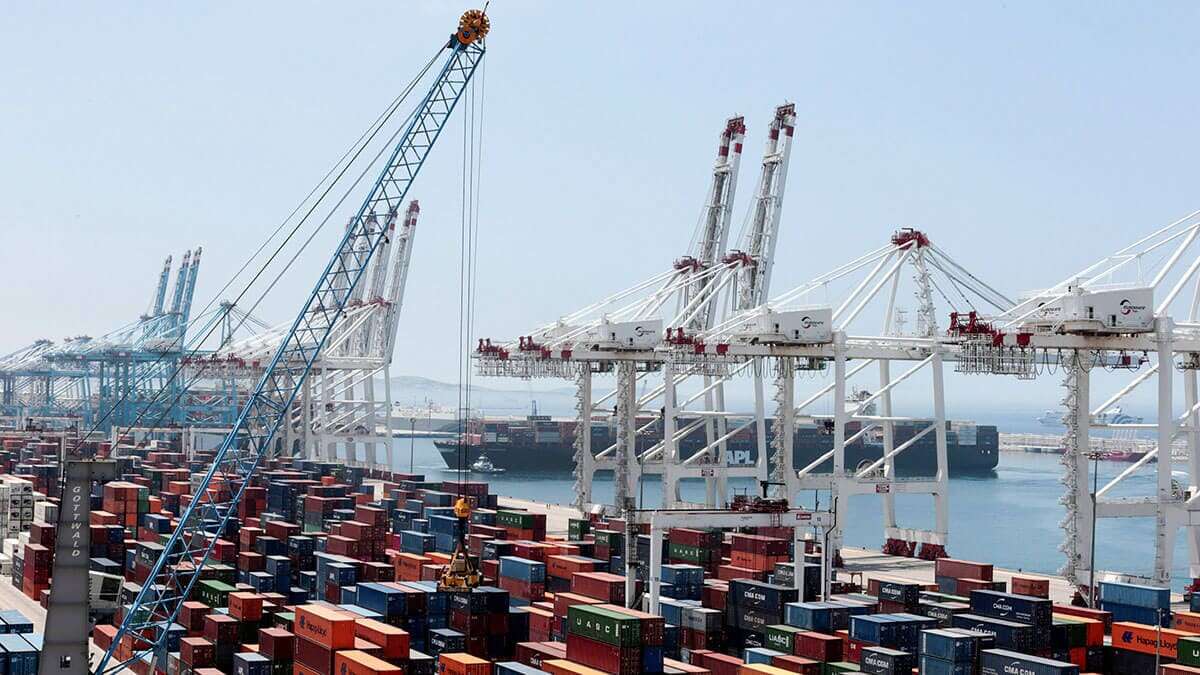
Morocco leads this charge, possessing nearly 70% of the world’s phosphate reserves. The nation has been processing this raw material for decades through the OCP Group, a true giant in the sector. With powerful infrastructure such as the Tanger Med mega-port, Rabat is able to market customized, high-value products rather than selling raw materials, thereby forging strong agricultural alliances across Africa.
Tunisia as the Logistic and Diversification Link in the Mediterranean
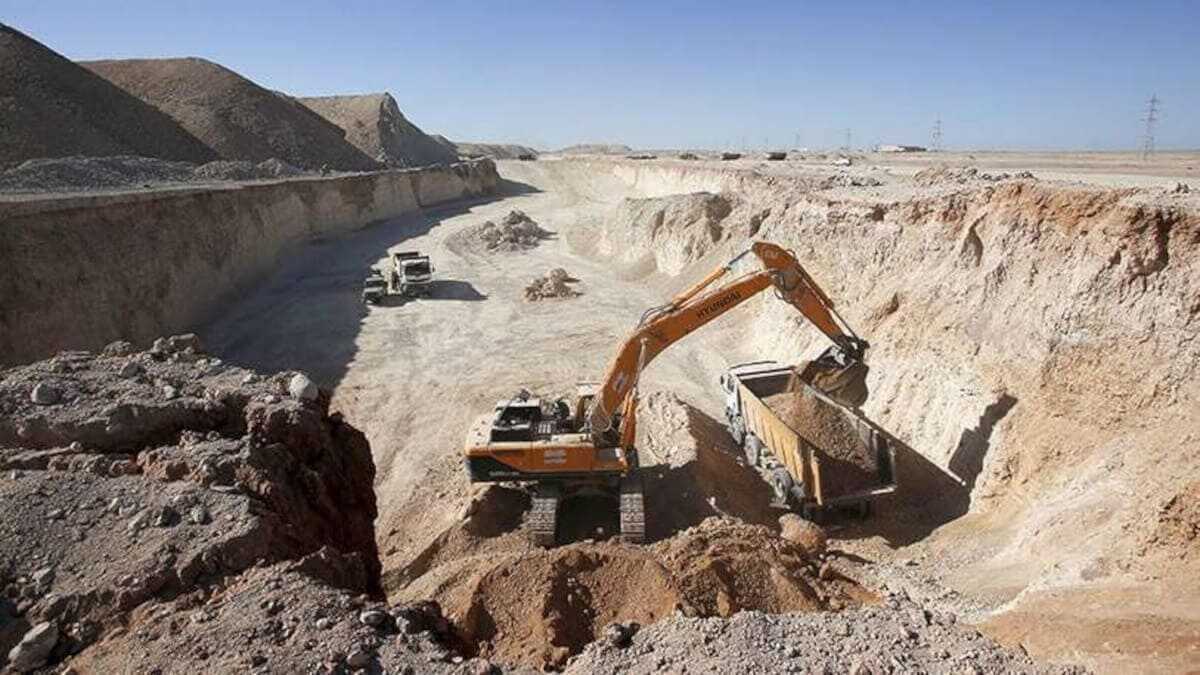
Nonetheless, American analysts recognize that relying solely on one supplier, even a trusted ally like Morocco, poses an unnecessary risk. The Chinese crisis underscored the importance of diversification, and this is where Tunisia fits perfectly into the equation. Located in the heart of the Mediterranean, Tunisia boasts approximately 2.5 billion tons of phosphate beneath its soil. Although it has a rich mining history, the sector has faced challenges in recent years due to political instability, lack of funds, and strikes.
Rather than being a setback, this lull presents an opportunity for foreign capital to rejuvenate the Tunisian industry and connect it with the Moroccan network. Instead of competing, they could collaborate: Morocco would provide logistics and industrial capabilities, while Tunisia would contribute volume and geographic diversity to spread risks.
This collaboration is of significant interest to Washington for more reasons than just financial gain. North Africa is a hotspot for geopolitical tensions, with China investing heavily in regional ports, Russia increasing its influence in the Sahel, and other powers vying for a piece of the pie. For the United States, forging trade agreements with Morocco and Tunisia is a more effective strategy for maintaining influence than merely sending arms or imposing political conditions.
The aim is to implement a "phosphates-for-infrastructure" model. With backing from the World Bank and the African Development Bank, investments could be funneled to modernize Tunisian mines, upgrade railways, expand ports, and establish clean fertilizer plants. This would not only breathe new life into the local economy but also safeguard the West from future supply disruptions. However, analysts caution that funding for Tunisia must be closely monitored under strict transparency rules given the country’s internal instability.

Controlling phosphate is just as crucial today as controlling oil was in the last century. Without fertilizers, there can be no food, and without food, social peace is threatened. This understanding elucidates the shift in U.S. policy towards the Maghreb. Morocco, a principal non-NATO ally since 2004, and Tunisia, sharing the same status since 2015, have evolved beyond mere partners in curbing illegal migration or combating terrorism. Washington is now positioning them at the forefront of its economic security strategy, transforming phosphate into a new engine of its foreign policy in the region.
As reported by atalayar.com.