

Morocco Demonstrates Authority at Ceuta Border
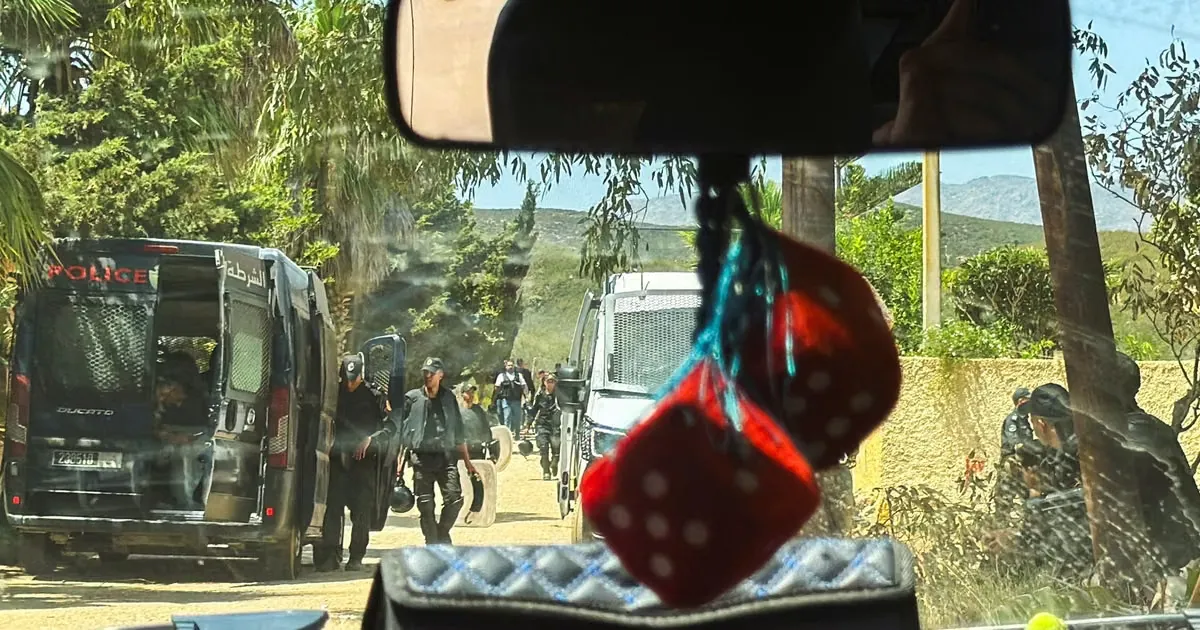
On August 15, 2026, Morocco showcased its military and police strength at the Ceuta border, effectively asserting its control over the Spanish enclave. Spanish media reported that the anticipated attempt to overwhelm the border by migrants was thwarted by a significant show of force from Moroccan authorities. This display highlighted Morocco's capability to manage migration flows into this strategic point, reinforcing its status as the 'ultimate guardian' of the Ceuta frontier, which serves as the southernmost point of the European Union.
According to reports from El País, Moroccan forces mobilized in unprecedented numbers to seal off the border, halting attempts by hundreds of Sub-Saharan migrants and a small number of Moroccans to cross into Ceuta. The operation was a direct response to previous events on July 30-31, when over 80,000 migrants had surged into the city amidst a perceived lack of intervention from Moroccan police. This time, however, the Moroccan security forces were determined to prevent a repeat of such chaos.
Eyewitness accounts described the Moroccan security forces deploying in a manner reminiscent of 19th-century military tactics, effectively pushing back groups of migrants who had gathered near the border. Reports indicated that nearly 300 migrants were detained, predominantly from Sub-Saharan Africa, and many were forcibly transported to distant cities in southern Morocco, such as Ouarzazate, located over 800 kilometers from Ceuta.
In a stark illustration of control, the Moroccan authorities also restricted access to Melilla, another Spanish enclave, demonstrating their ability to regulate migration flows when deemed necessary. A police source stated that Morocco has the power to close its borders at will, effectively deterring potential crossings.
Additionally, the situation was complicated by restrictions imposed on journalists covering the events. Moroccan authorities expelled reporters from the Spanish news agency Efe and the national broadcaster RTVE, mirroring actions taken by Spanish officials against Moroccan media in Ceuta. This tit-for-tat response underscores the complex media landscape surrounding the ongoing migrant crisis.
While Moroccan security measures have significantly reduced the number of attempted crossings, there remain individuals like Yassim and Ahmed, two young Moroccan brothers who previously made the perilous journey to Ceuta. Despite their traumatic experience, they have not entirely abandoned hopes of reaching Spain, illustrating the ongoing allure of Europe as a destination for migrants.
In Fnideq, the Moroccan town adjacent to Ceuta, a heavy presence of military and police operates to monitor all activities, indicating the seriousness with which the Moroccan government is approaching this issue. It has become evident that the Moroccan strategy is twofold: to exhibit the consequences of relaxed border control while simultaneously showcasing its capabilities to enforce strict migration policies when required.
As reported by courrierinternational.com.
