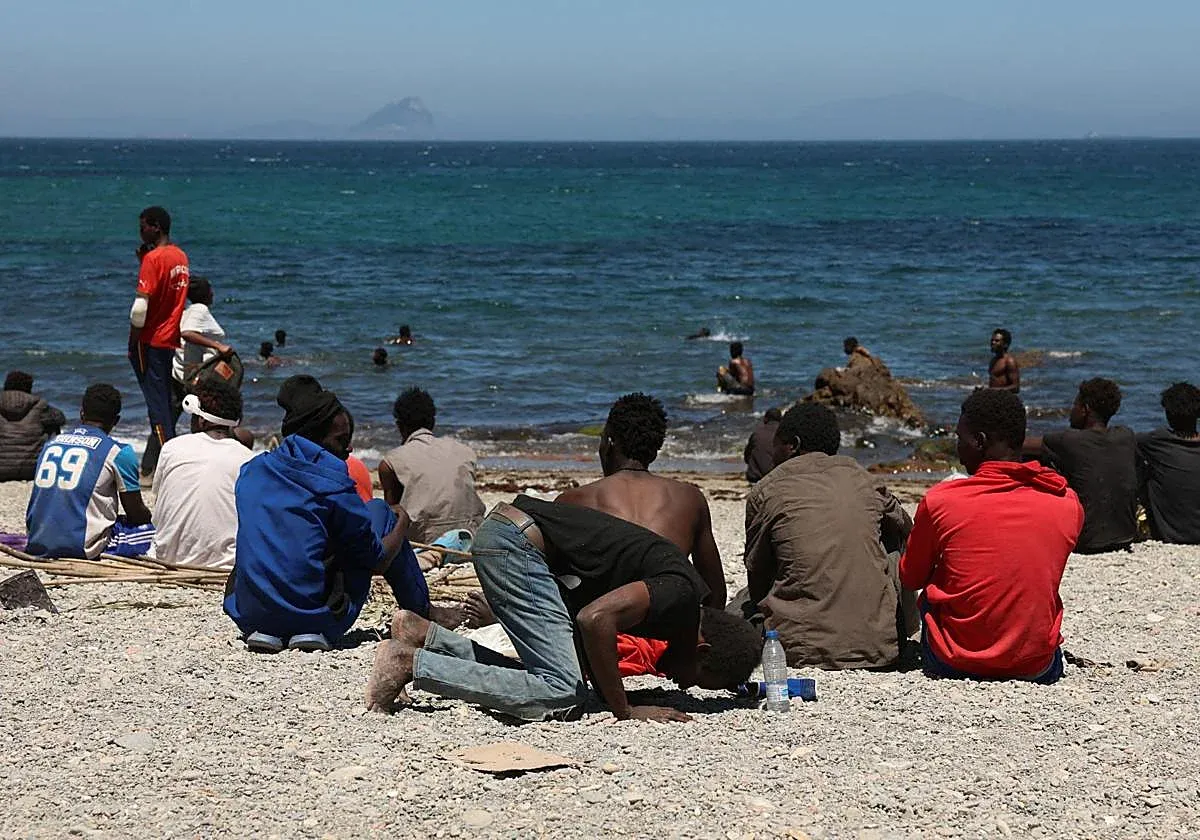

Morocco Addresses the Ceuta Migration Crisis
The Moroccan government has publicly attributed the recent migration crisis in Ceuta to a confluence of factors including the actions of human trafficking networks, misinformation, and misunderstandings surrounding a ruling by Spain's Supreme Court regarding "hot returns." This statement marks Morocco's initial official response to the massive influx of tens of thousands of Moroccans into the autonomous city, particularly through the Tarajal jetty, which tragically resulted in at least 72 fatalities, predominantly from drowning.
A spokesperson from the Moroccan Ministry of Interior, in a statement reported by national media, emphasized that the events in Ceuta were neither spontaneous nor circumstantial. Instead, they were the result of a deliberate "malicious exploitation of digital spaces" combined with the activities of human trafficking networks, as well as the dissemination of misleading information and misinterpretations associated with recent decisions made by Spanish judicial authorities.
These "misinterpretations," fueled by disinformation, reinforced the belief among some would-be migrants that they could avoid immediate return, as stated by the Ministry of Interior. Morocco claims to have carried out a flawless operation from the onset of the crisis, adopting a proactive and comprehensive approach characterized by early vigilance, increased surveillance levels, and enhanced readiness among various security services and local authorities.
This strategy enabled Moroccan officials to "control the course of events, protect lives, maintain public order, and secure borders, all while strictly adhering to legal provisions and the principle of proportionality in intervention," according to the Ministry. Notably, this is the first time Morocco has provided its own casualty figures, confirming eleven deaths, ten due to drowning and one from injuries sustained after falling from a rocky area near Ceuta.
In this context, Morocco is collaborating with Spanish authorities to accurately verify the actual number of affected individuals, their identities, and nationalities, in order to complete the necessary legal, administrative, and humanitarian processes.
As reported by elcorreo.com.