
Political Landscape in Morocco Post-Elections
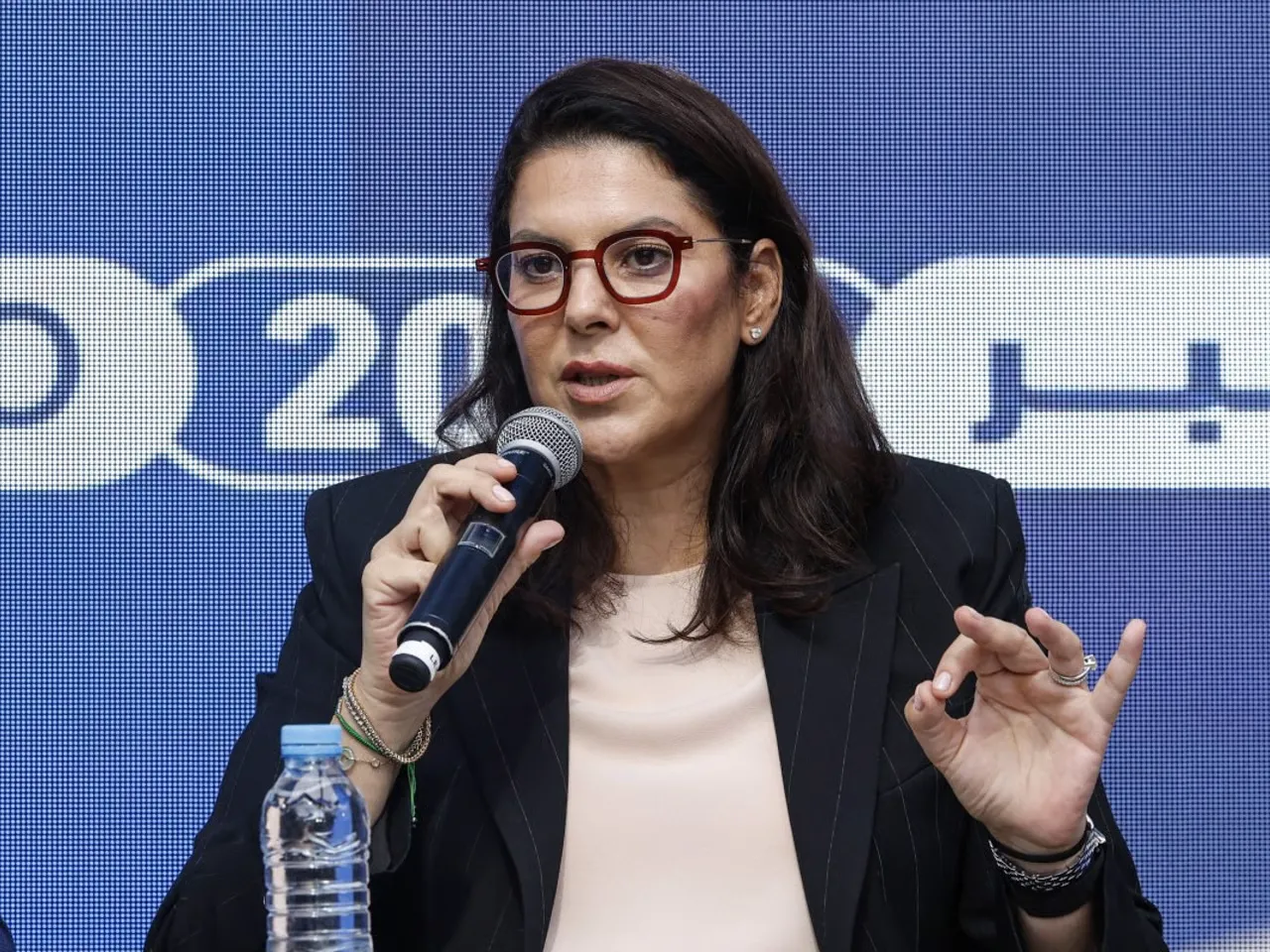
The recent legislative elections in Morocco have concluded, with the Authenticity and Modernity Party (PAM) emerging as the clear frontrunner. Despite this victory, the results present a complex puzzle for the formation of a governing coalition, which hinges on various factors including the final election outcomes, internal party dynamics, and, most critically, the royal appointment of the next prime minister. As the political arena heats up, the PAM's leadership, under the guidance of Fatima Ezzahra El Mansouri, is keenly aware of the implications of their electoral success and the potential for coalition-building with other parties.
Anticipation of Coalition Dynamics
While the PAM has claimed its leading position following the elections held on September 23, 2026, the path forward remains uncertain. The political chess game has commenced, with several parties evaluating their strategies and alliances in anticipation of the king's decision regarding the prime minister's nomination. The Party of Justice and Development (PJD), now rejuvenated by its electoral performance, has already expressed its intentions to challenge the next government. This highlights a critical aspect of Moroccan politics, where coalition dynamics are often fluid and can shift rapidly based on the actions of key players. As the situation develops, all eyes remain on the palace, as the king's choice will set the stage for the country's governance in the coming years.
As reported by jeuneafrique.com.