
Morocco's Accusation Against Spain Regarding Migrant Returns
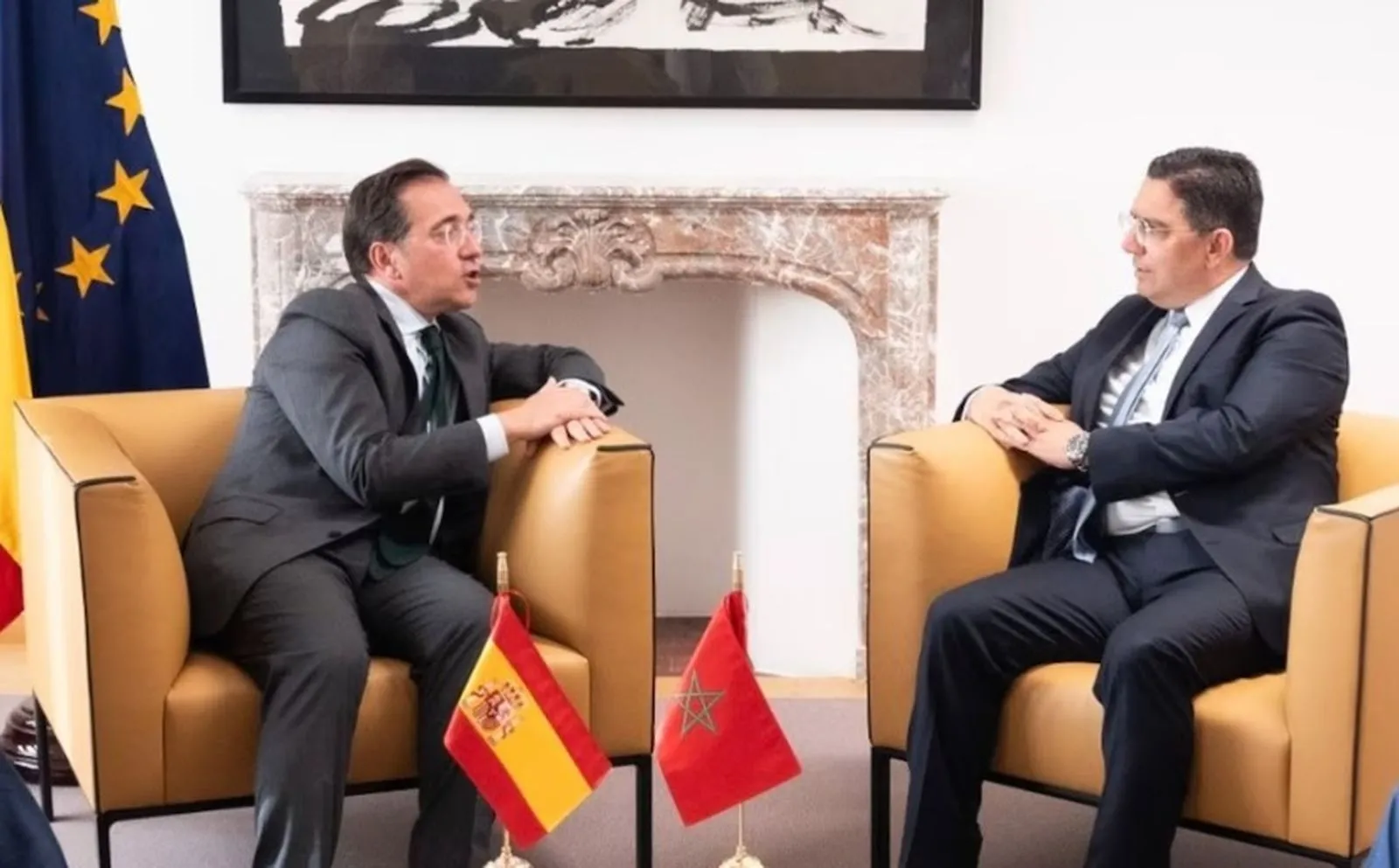
In a recent diplomatic exchange, Morocco's Foreign Minister Nasser Bourita has publicly held Spain accountable for the failure to return migrants who remain in Ceuta following a significant influx on July 30. During a meeting with Spain's Minister of Foreign Affairs, European Union, and Cooperation, José Manuel Albares, Bourita emphasized that it is not Morocco's responsibility to facilitate these returns. He stated, “If illegal immigrants have not been returned, if minors have not been returned, the question should not be directed at Morocco but rather at Spain,” indicating a clear shift of responsibility towards the Spanish authorities.
Bourita further asserted that Morocco has consistently communicated its readiness to accept these individuals back. In fact, Rabat had previously conveyed this position through a letter addressed to European Parliament members, aiming to avoid friction with Brussels. He noted that various controversies, Spanish 'obstacles', and complications have impeded the return process. Meanwhile, the Spanish government has maintained that returns will occur but will follow an individual assessment process to determine each person's eligibility for a visa. This is especially complex for minors, whose cases require specific processing and individualized evaluations prior to any return.
Diplomatic Efforts and Ongoing Concerns
During their Thursday meeting, Minister Albares received assurances from Bourita regarding “full cooperation” concerning the migratory situation in Ceuta. The two ministers discussed the status of irregular migrants in the autonomous city who do not meet the criteria for international protection. Bourita reiterated that the responsibility for executing these returns lies squarely with the Spanish authorities. The meeting took place at the United Nations headquarters in New York, where Albares expressed a desire to maintain a relationship with Morocco rooted in respect for sovereignty and territorial integrity, in accordance with the principles outlined in their joint declaration from 2022.
Aside from the issue of migrant returns, there are two other contentious matters that concern both countries regarding Ceuta. Firstly, there is an ongoing investigation into whether Moroccan authorities played a role in facilitating the recent influx of migrants. Just days prior, Spanish Prime Minister Pedro Sánchez demanded explanations from Morocco regarding the “failure of their border control.” The Spanish government aims to uphold amicable relations with its neighbor, a stance that has prompted criticism from various political factions, including their coalition partners, for not holding Morocco accountable.
The second contentious issue pertains to Morocco's persistent claims over the autonomous cities of Ceuta and Melilla. Several Moroccan ministers have reiterated that these territories rightfully belong to Morocco based on historical and geographical claims. Spain has firmly rejected these assertions, with key figures like Pedro Sánchez and Minister Albares stressing that territorial integrity is non-negotiable.
As reported by elpueblodeceuta.es.