
Understanding the Recent Migrant Surge into Ceuta
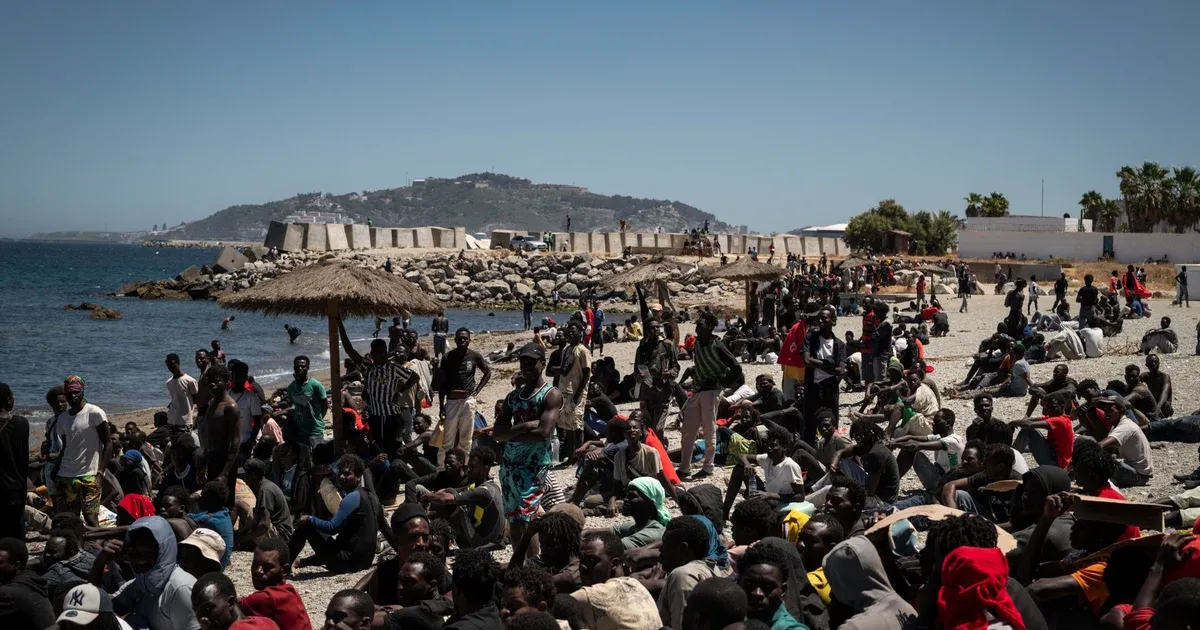
In a recent statement, Moroccan authorities attributed the significant influx of migrants into the Spanish enclave of Ceuta to a combination of factors, emphasizing the detrimental impact of social media misinformation and the exploitation of digital platforms. This surge, which saw thousands of individuals attempting to cross the border, was met with a swift response from Spanish officials, who returned the majority of migrants to Morocco shortly after their arrival, amidst tragic reports of fatalities during the chaos of the border rush.
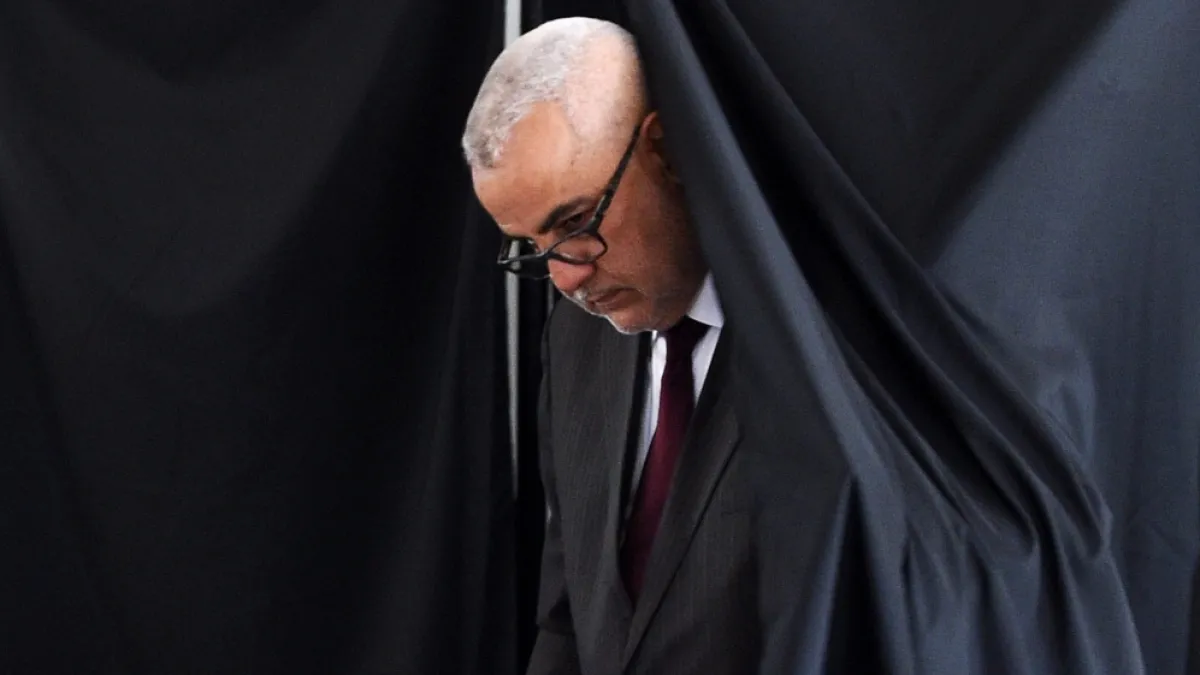
Rachid El Khalfi, a spokesperson for Morocco's Ministry of Interior, articulated that the surge was not a spontaneous event but rather the result of a complex interplay of circumstances. He highlighted the role of human trafficking networks and the misinterpretation of legal information that led many to believe that crossing into the European Union was a simple endeavor devoid of significant legal repercussions. This miscommunication was exacerbated by misleading social media posts, including some that suggested that Spain was an 'open door' for migrants, along with videos depicting individuals swimming from Morocco to Ceuta.
Reactions and Implications of the Migrant Crisis
The situation has drawn severe criticism from various political leaders, including Spain's Prime Minister Pedro Sánchez, who pointed fingers at human trafficking mafias seeking to exploit a recent judicial ruling that complicates the expulsion of migrants arriving by sea. Eyewitness accounts indicate that many migrants did not initially plan their journey but were motivated by the sight of others attempting to swim across the border, illustrating the spontaneous nature of their decision-making.
According to Moroccan officials, approximately 40,000 individuals attempted to reach Ceuta, while an additional 1,135 targeted Melilla, another Spanish enclave. While earlier estimates suggested a higher number of 50,000 to 60,000, the actual figures reported indicate a slightly lower scale. As for the tragic loss of life, Moroccan authorities reported significantly fewer fatalities—11 individuals—contrasting sharply with Spanish authorities' figures, which stated that at least 72 people had died during the tumultuous border crossing efforts. El Khalfi assured that efforts were underway to collaborate with Spanish counterparts to ascertain the accurate numbers and identities of those who perished.
The aftermath saw most migrants returning to Morocco, with many opting to walk back across the border. Additionally, Spanish officials announced plans to enhance border security by installing fencing around Ceuta, a move aimed at preventing future surges. The geopolitical context is significant, as Ceuta and Melilla are the only land borders the European Union shares with the African continent, making them critical points of entry for migrants seeking to reach Europe.
The chaotic scenes witnessed in Ceuta have not only raised humanitarian concerns but also provoked strong reactions from European leaders. Italian Prime Minister Giorgia Meloni has called for the suspension of the Schengen agreement with Spain, which facilitates free movement among EU member states, while French Interior Minister Laurent Nunez has directed an immediate strengthening of border controls with Spain. This situation underscores the ongoing challenges surrounding immigration and border security in Europe amidst shifting political tides.
As reported by cbsnews.com.