
The African Development Bank (ADB) has approved a significant funding allocation of €205 million on July 13, 2026, aimed at supporting the development of Morocco's railway infrastructure through the Infrastructure Development Support Project (PADIF). This financial boost is intended to enhance the railway corridor connecting Kenitra to Marrakech, marking a critical step in Morocco's ambitious plans to modernize its transport networks and improve connectivity.
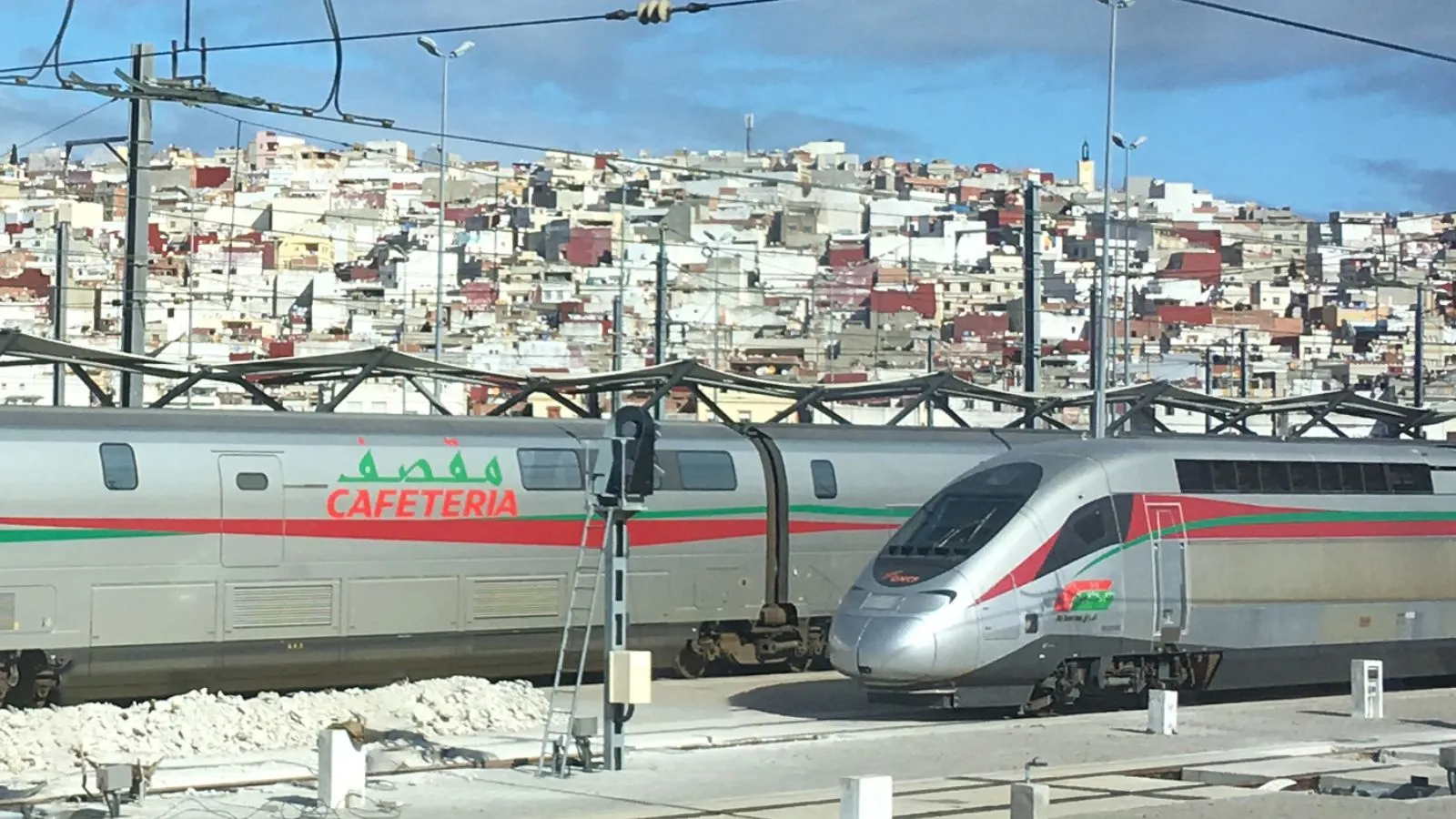
As Morocco co-hosts the 2030 FIFA World Cup alongside Spain and Portugal, the nation is embarking on an unprecedented investment strategy in its railway sector. The flagship project involves extending the high-speed Al Boraq line, which currently operates a 186 km stretch between Tangier and Kenitra, further to Marrakech. This extension is set to cover approximately 430 km at speeds of up to 320 km/h, with an estimated cost of €8 billion slated for the period from 2024 to 2030. Once completed, travel time between Tangier and Marrakech is expected to reduce dramatically, from over seven hours to under three, while also providing greater access to Rabat, Casablanca, and Mohammed V Airport.
Furthermore, the modernization of the Casablanca railway hub, including the quadrupling of the conventional line around this economic capital, the acquisition of 18 new TGV trains, and the commissioning of 40 Intercity trains are all part of the broader Morocco Rail Plan 2040, which envisions 1,100 km of high-speed rail service linking Agadir, Fes, and Oujda with a total budget of approximately 375 billion dirhams (around €34 billion).
High-Speed Rail Kenitra-Marrakech: A €205 Million Loan from the African Development Bank
The Kenitra-Marrakech high-speed railway construction project is structured into various contracts, with considerable disparities in their value. Chinese firms have predominantly secured the lower-margin civil engineering contracts, which encompass earthworks, bridges, tunnels, and viaducts, leveraging aggressive pricing supported by their government. In contrast, the higher-value contracts, which involve rolling stock, signaling, engineering, and project management assistance, remain firmly under French control. This distribution of contracts highlights the competitive dynamics at play, with the Chinese dominating the civil engineering sector while the French maintain a stronghold on technology and high-value components.
The contracts awarded thus far illustrate this division clearly. For example, civil engineering contracts, divided into seven main lots, have been awarded to five Chinese firms and three Moroccan companies, amounting to approximately €2.3 billion. Meanwhile, French firms like Colas Rail and Alstom have been contracted for essential components such as rail infrastructure and train supply, showcasing their expertise in high-speed rail technology and project management.
The technological barriers that exist also play a crucial role in this landscape. Designing a high-speed train capable of operating at 320 km/h under Moroccan climatic conditions – encompassing temperature fluctuations, Saharan dust, and coastal humidity – requires decades of research and development, an area where Alstom has excelled since the inception of the French TGV in the 1980s. As a result, no Chinese manufacturer has yet demonstrated the ability to export a certified high-speed train model outside of its borders, which lends a significant competitive advantage to their French counterparts.
The Implications for African Rail Development
The ramifications of Morocco's success extend far beyond its borders, as it positions itself as the sole African nation currently operating high-speed rail services. Countries like Egypt are in the early stages of similar projects, while Algeria is contemplating a trans-Maghreb rail initiative. The developments in Morocco will undoubtedly influence future contracts across the continent, with the French railway industry staking its credibility on the success of the Kenitra-Marrakech high-speed line. The strategic partnerships and agreements formed during state visits, such as President Emmanuel Macron's engagement with Moroccan leaders, further solidify France's role in this burgeoning sector.
As reported by media24.fr.