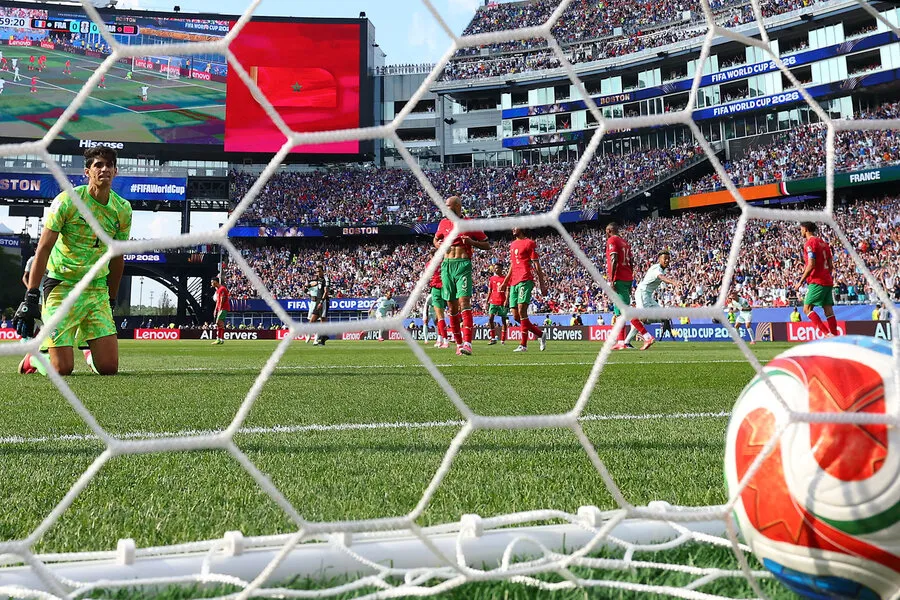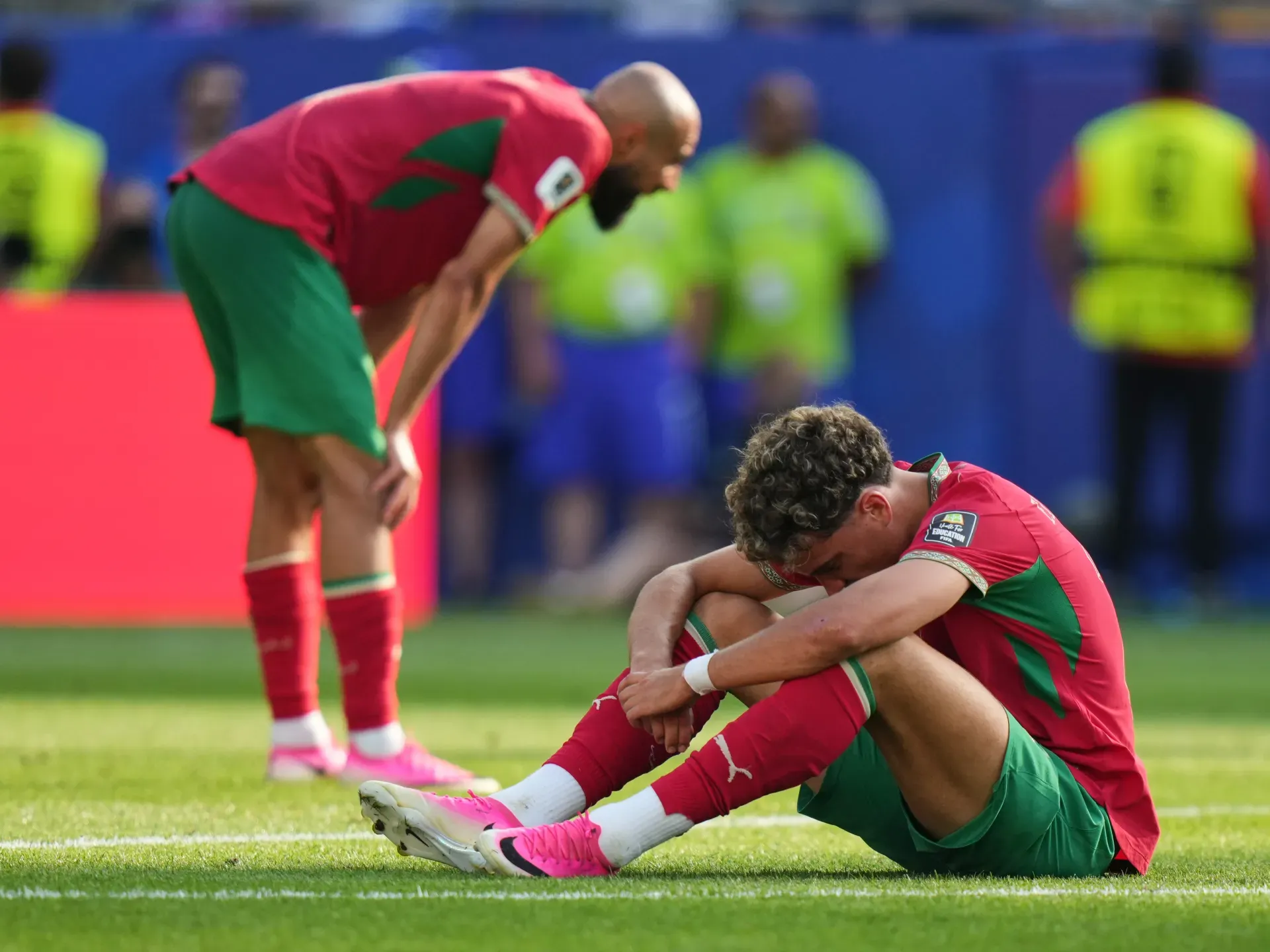
On July 10, 2026, Morocco's national football team exited the 2026 FIFA World Cup after a quarterfinal defeat against France, losing 2-0. This match underscored France’s position as one of the leading contenders for the championship, while Morocco paid the price for tactical details that proved crucial in the match's outcome.
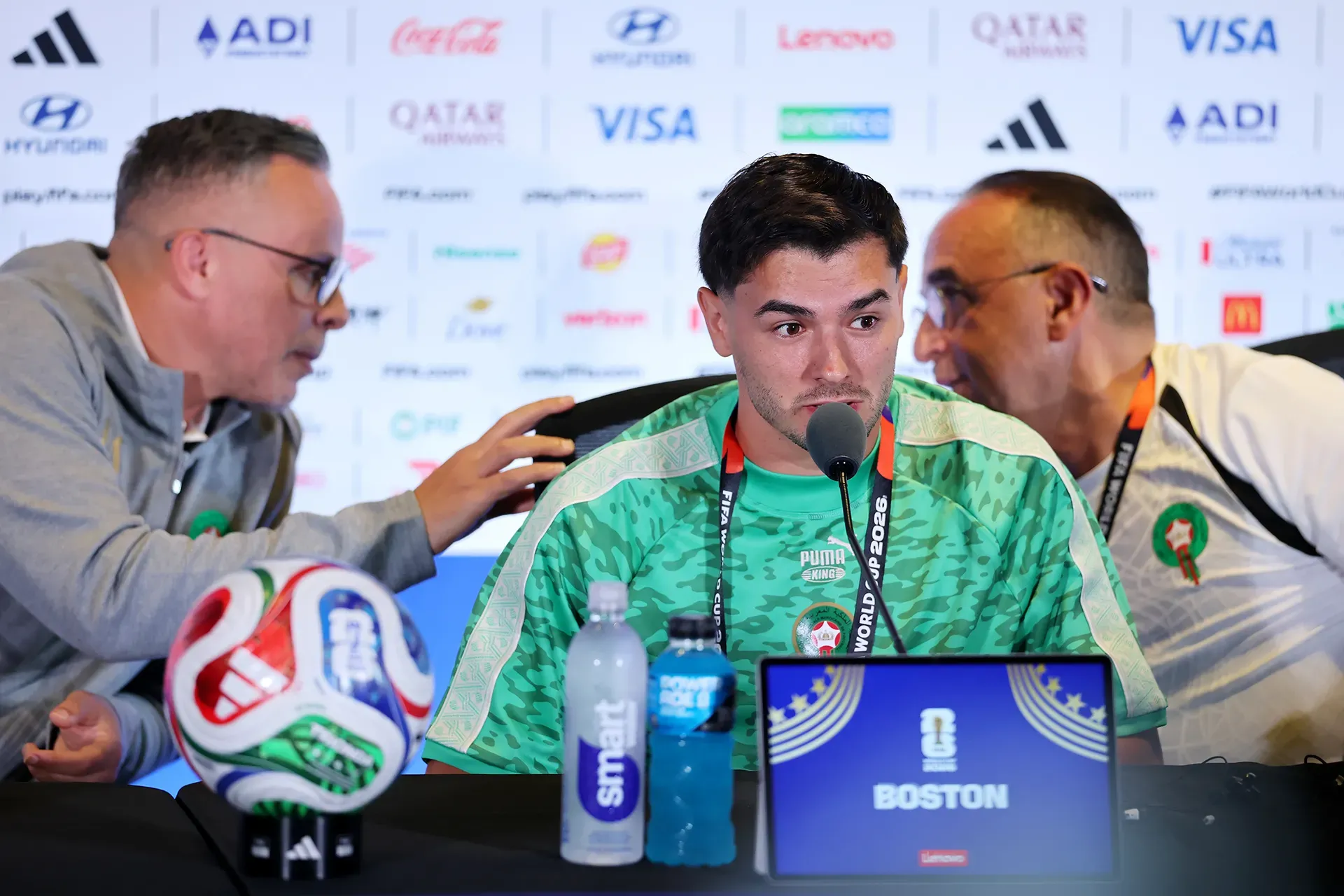
Morocco's head coach, Mohamed Wahbi, made two adjustments to the lineup that had triumphed over Canada with a 3-0 victory in the Round of 16 in Houston. He opted to start defender Anas Salahuddin in place of Ridwan Halhal, who had stepped in for the injured Shadi Riyad. Additionally, Wahbi replaced his top scorer in the tournament, Ismael Saibari, with Shams Eddin Talabi due to Saibari's muscular injury.
Match Overview
In contrast, French coach Didier Deschamps made a solitary change to his lineup that narrowly defeated Paraguay 1-0, bringing in Paris Saint-Germain winger Desiré Doy for his teammate Bradley Barkola. From the outset, the French team entered the match with a high attacking rhythm, applying intense pressure right from the first minutes, which forced Morocco to retreat into a defensive stance. The French side did not allow Morocco sufficient time to build attacks or organize their play, leading to numerous interventions from goalkeeper Yassine Bounou, who made several critical saves, including a header from Dayot Upamecano and a penalty kick from Kylian Mbappé.
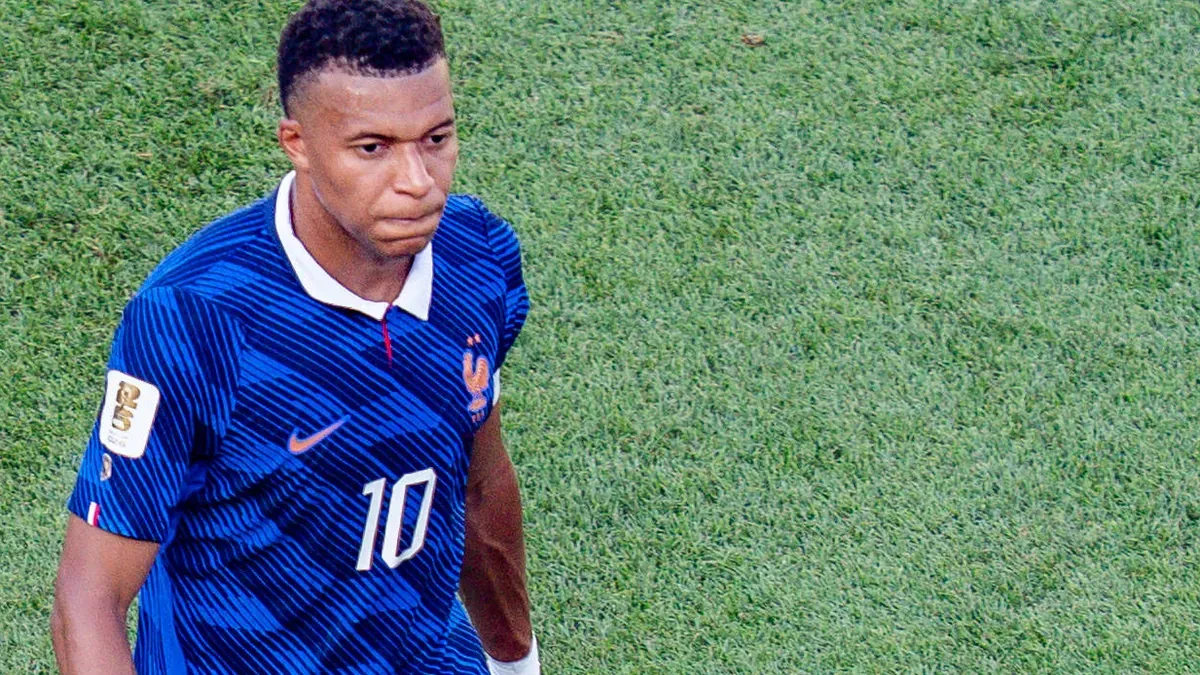
France dominated possession and created multiple genuine scoring opportunities, yet Bounou was equal to the challenge, especially against a penalty taken by the historic top scorer of the French national team, Mbappé. Within the first 18 minutes, France generated four scoring chances, with one hitting the woodwork, while Morocco failed to create any opportunities of their own. Although Morocco managed to withstand the pressure during the first half, the French's control over possession and chance creation was evident, foreshadowing more danger in the second half.
The most significant absence for Morocco was that of defender Shadi Riyad, who had been a fundamental component of their defensive structure throughout the tournament. Riyad had provided vital support alongside Aïssa Diop, giving Morocco the capability to close down the center, cover behind defenders, and minimize space for skilled attackers. His absence against France disrupted the balance of the backline, which was evident as French players repeatedly exploited gaps between the center-backs.
In a bid to counter the speed and skill of France's attacking quartet, which included Kylian Mbappé, Ousmane Dembélé, Desiré Doy, and Michael Oliseh, Wahbi was compelled to deploy Noussair Mazraoui in central defense. This tactic made sense given Mazraoui's agility in one-on-one situations; however, its execution revealed some drawbacks. The presence of a typically full-back player in central defense diminished Morocco's strength in physical confrontations and their ability to win second balls, as well as lacking a traditional center-back capable of asserting dominance in the penalty area and handling aerial challenges.
Moreover, Ismael Saibari’s absence proved to be a critical blow for Morocco. The tactical solutions that Wahbi attempted to implement in his absence fell significantly short. Saibari's contribution extended beyond his goal-scoring abilities; he played a pivotal role in facilitating Ibrahim Diaz's performance and posed a consistent threat to opposing defenses, ultimately creating more offensive options for Morocco. This lack of creativity and dynamism was starkly apparent during the match against France.
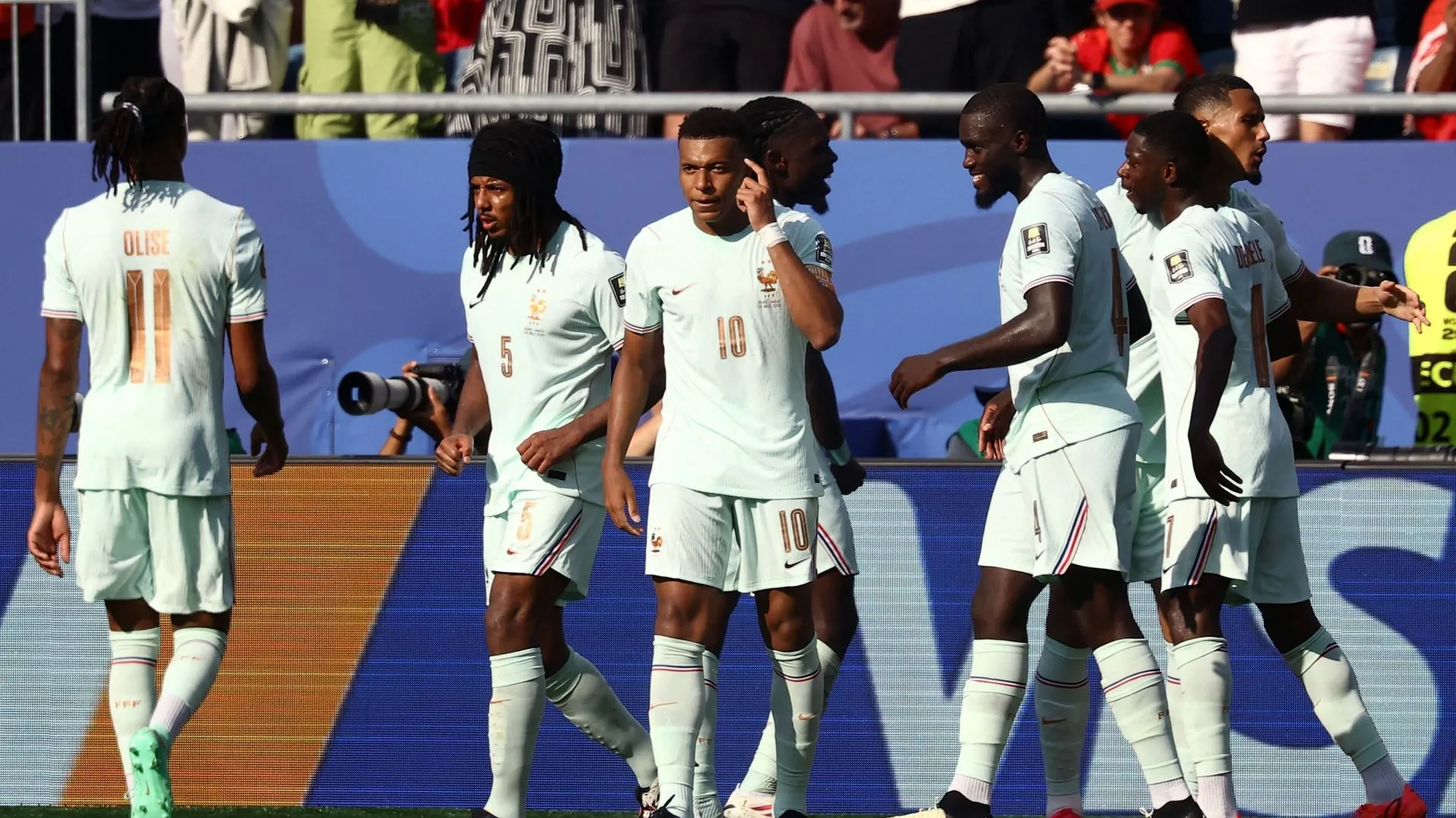
While Morocco held strong for significant periods, the decisive difference came from the caliber of the French players in the final third. Kylian Mbappé only needed a small window to score the first goal with an exquisite shot, while Ousmane Dembélé capitalized on the spaces that emerged as Morocco pushed forward in search of an equalizer, sealing the match with the second goal. This illustrates a characteristic of elite teams; in tightly contested matches, individual skill often becomes the defining factor when tactical strategies are evenly matched.
Despite the disappointment of their exit, the performance of the Moroccan national team should not be viewed negatively. They faced one of the tournament's strongest teams, characterized by a blend of individual and collective excellence, and managed to compete effectively for extended periods. For the second consecutive World Cup, Morocco's 'Atlas Lions' have demonstrated their ability to reach advanced stages, following their semifinal appearance in 2022 and now reaching the quarterfinals in 2026.
Perhaps the most significant takeaway from Morocco's participation in this tournament is the establishment of a clear competitive identity, affirming that their success four years ago was not merely an anomaly but rather the result of a footballing project capable of challenging the world's elite teams, even if it was individual skills that ultimately decided the match.
As reported by aljazeera.net.