
Morocco Advocates for Progress in Global Trade Talks
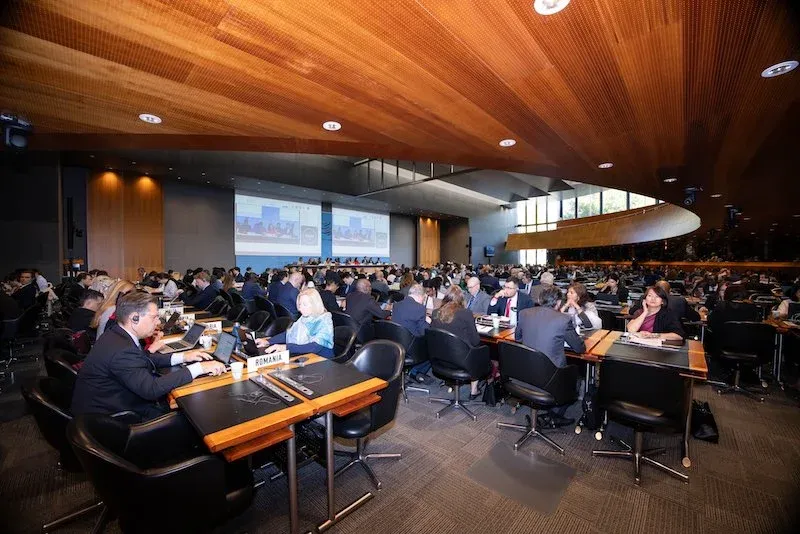
In a compelling address delivered at the World Trade Organization (WTO) in Geneva on October 5, 2026, Morocco emphasized the urgent need to reactivate stalled trade negotiations. Omar Zniber, Morocco's permanent ambassador to the United Nations and other international organizations in Geneva, urged the global community to prioritize the developmental dimensions of trade, particularly for African nations, as a core aspect of the WTO's reform process. He highlighted that the current challenges faced in the negotiations should not be perceived as a permanent state of inertia, advocating instead for a continued search for consensus ahead of the upcoming ministerial conference.
Zniber underscored the necessity for discussions to fully account for the unique challenges confronting African economies, particularly their integration into global value chains and the enhancement of their exports. He firmly stated that the developmental perspective and priorities of Africa must be at the heart of the reform processes, linking this approach to the objectives of the African Continental Free Trade Area (AfCFTA).
Focusing on the significance of service trade, Zniber pointed out the need to reduce the high costs associated with remittances sent by migrants, which serve as a fundamental source of income for millions of families in developing economies. Currently, these remittance costs average between 6% and 8%, and reducing them could significantly increase the amount of money flowing directly into local economies. This, in turn, could bolster consumption, education, health, investment, and the establishment of small and medium-sized enterprises, thereby enhancing employment opportunities, especially for youth and women.
Furthermore, Morocco, alongside the African group and other WTO members, is championing an initiative aimed at exploring how the WTO can effectively contribute to reducing cross-border remittance costs within its mandate regarding service trade. Zniber presented this initiative as a concrete example that could generate substantial funding for development and improve the integration of developing countries into global trade flows.
He concluded by noting that this approach should be executed in a balanced manner and within a win-win framework, contributing to the achievement of the objectives outlined in the preamble of the Marrakech Agreement, which specifically links trade and development. During the two-day session on October 5 and 6, the WTO's General Council will deliberate on the report from the Chair of the Trade Negotiations Committee and the organization's Director-General, as well as monitor the outcomes of recent ministerial conferences, including the 14th conference held in Yaoundé last March. Additionally, the agenda includes discussions on small economies, issues related to temporary arrangements concerning e-commerce agreements, and a dialogue on emerging issues related to agricultural trade.
As reported by hespress.com.