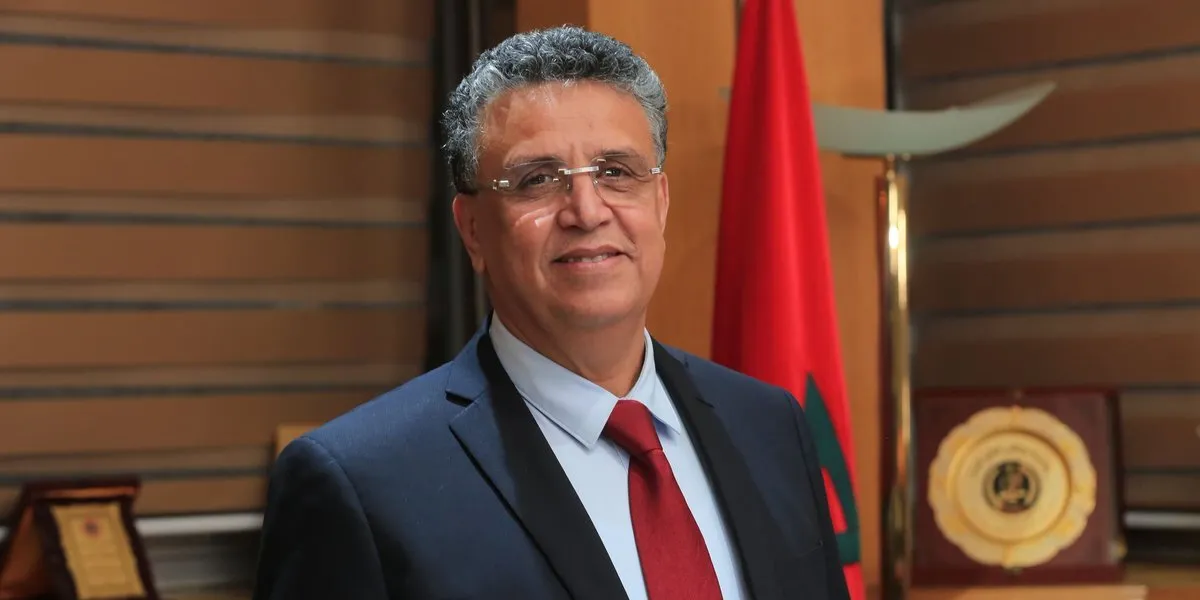

Morocco Reviews Extradition Agreement with Spain Amidst Challenges
Morocco is currently considering the possibility of suspending its extradition agreement with Spain, as announced by Justice Minister Abdellatif Ouahbi in an interview with the Spanish news agency EFE on August 12. Although no formal decision to suspend the agreement has been made, Minister Ouahbi emphasized that discussions are ongoing within the Ministry of Justice regarding this significant legal instrument. He highlighted that the deliberations stem from a series of challenges faced in the extradition process, particularly concerning individuals sought by Moroccan authorities who have not been successfully handed over despite established procedures.
Minister Ouahbi elaborated on the extradition process, explaining that when a person sought by Morocco is located in Spain, they are initially detained and their identity verified. Subsequently, a transfer date is set, and Moroccan security agents are dispatched to take custody of the individual. However, the minister revealed that several planned extradition operations have failed to materialize, leading to a situation he described as "incomprehensible." He noted that in some instances, Moroccan authorities have been informed that the individuals in question are at liberty, raising concerns about the effectiveness of the current extradition arrangements.
Legal Framework and Future Considerations
The extradition agreement in question, which has been in effect since September 1, 2012, was originally signed in Rabat on June 24, 2009. This legal framework obligates both Morocco and Spain to extradite individuals found within their territories who are wanted for prosecution or to serve sentences imposed by the judicial authorities of the other state. The agreement stipulates conditions under which extradition requests can be granted, focusing on offenses punishable by a prison sentence of at least two years in both jurisdictions. It is important to note that the treaty can be terminated by either party through written notification, with such termination taking effect one year after the notification is sent.
In his interview, Minister Ouahbi also emphasized the need for both nations to respect their commitments regarding repatriation procedures, indicating that Morocco would not tolerate any shortcomings in this regard. He pointed out that if the agreed-upon protocols for extradition and repatriation are not honored, Morocco may take steps to suspend the relevant agreements. These remarks come at a time when the return of unaccompanied Moroccan minors currently in Ceuta is being discussed between Rabat and Madrid. The Moroccan Interior Ministry has urged Spanish authorities to expedite the return of these minors, addressing administrative and judicial obstacles that delay their reunification with families.
While Minister Ouahbi acknowledged Spain as a "friendly" nation and expressed a desire for enhanced coordination on migration issues, he also underscored the necessity for a robust long-term framework for cooperation between Morocco and Spain. For the moment, the only development regarding the extradition situation remains the ongoing consideration of a potential suspension of the existing agreement, with no formal timeline or implementation details provided by the minister to date.
As reported by leseco.ma.