
Morocco's Demands for the Return of Minors
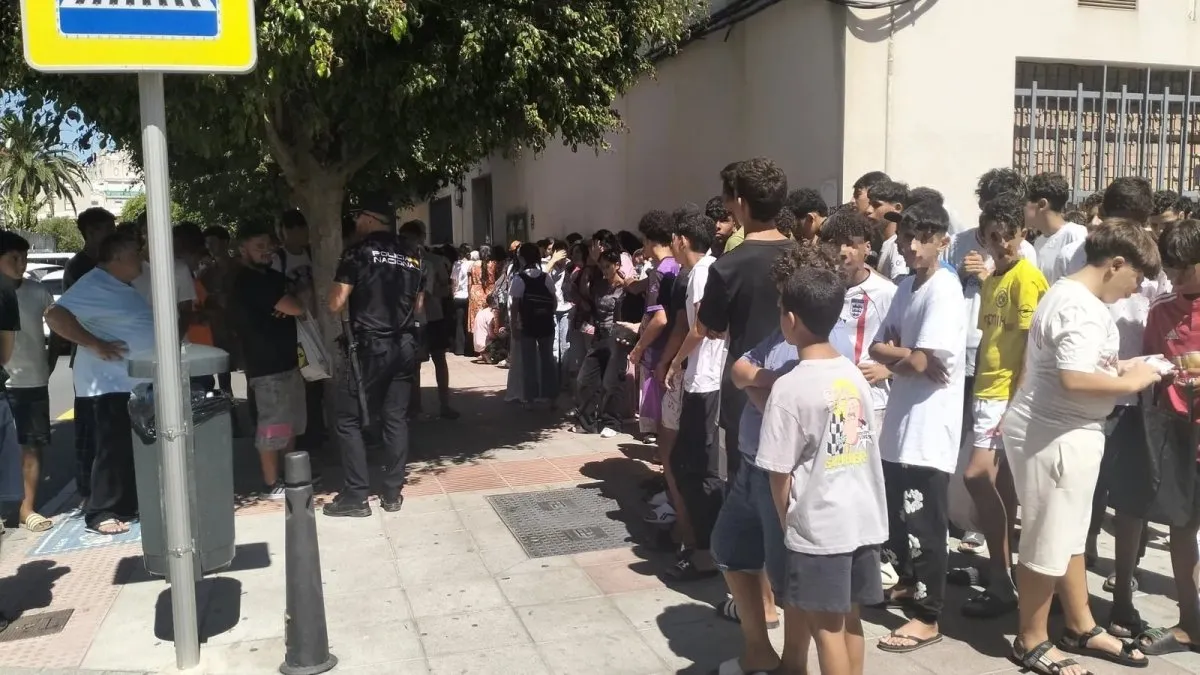
With Morocco as a key ally, Spanish Prime Minister Pedro Sánchez finds himself in a precarious situation, especially following the recent surge of migrants crossing into Spanish territory on July 30. In the aftermath of this influx, Morocco has formally requested that Spain return unaccompanied minors, holding the Spanish government accountable for the conditions these individuals are currently facing.
The demand was articulated by Moroccan Justice Minister Abdellatif Ouahbi in statements made to the media outlet _Hespress_. Ouahbi emphasized that Morocco intends to pursue the return of these minors through both legal and political channels, insisting that Spain must also take responsibility for the care conditions of these vulnerable individuals. The Moroccan government is determined to reclaim what it refers to as "its children, adolescents, and youth," a claim that encompasses not only those who recently entered Ceuta but also minors residing in various other Spanish centers. Rabat strongly believes that these minors would have a better future alongside their families within Morocco.
Political Tensions and Responsibilities
While Spain has long advocated for the repatriation of minors, the recent shift in Morocco's narrative has raised eyebrows. Ouahbi's remarks about placing responsibility on Spanish authorities suggest an attempt to deflect blame, as if the minors had appeared in Ceuta without crossing a border that Morocco routinely claims to control. Previously, Morocco had communicated through its official MAP agency that it would assist in the identification and repatriation of these minors, following directives from King Mohammed VI. The current situation adds a layer of political pressure on Madrid, even as Sánchez touts the relationship with Morocco as a significant achievement of his foreign policy.
Currently, Ceuta is accommodating around 1,300 unaccompanied minors, a stark increase from approximately 180 before the recent migration crisis escalated. The influx has overwhelmed the existing system, prompting the central government to consider redistributing some of these minors among Spain's autonomous communities, many of which have already expressed opposition to such measures. Furthermore, the process of returning these minors cannot be executed through collective transfers; the Supreme Court ruled in 2024 that each case must be handled individually, necessitating a thorough assessment of family circumstances, hearings for the minors when they reach sufficient maturity, and the involvement of the Public Prosecutor's Office.
Ouahbi has acknowledged ongoing discussions with his Spanish counterpart to explore legal and institutional avenues that would enable the verification of identities and facilitate the return of these minors. Morocco is pressing for swift action, reiterating its readiness to receive them while simultaneously placing the onus on Sánchez's government for their current predicament. In this complex diplomatic relationship, it appears that Morocco is setting the terms, while Spain, as is often the case, bears the costs of maintaining this unique friendship.
As reported by esdiario.com.