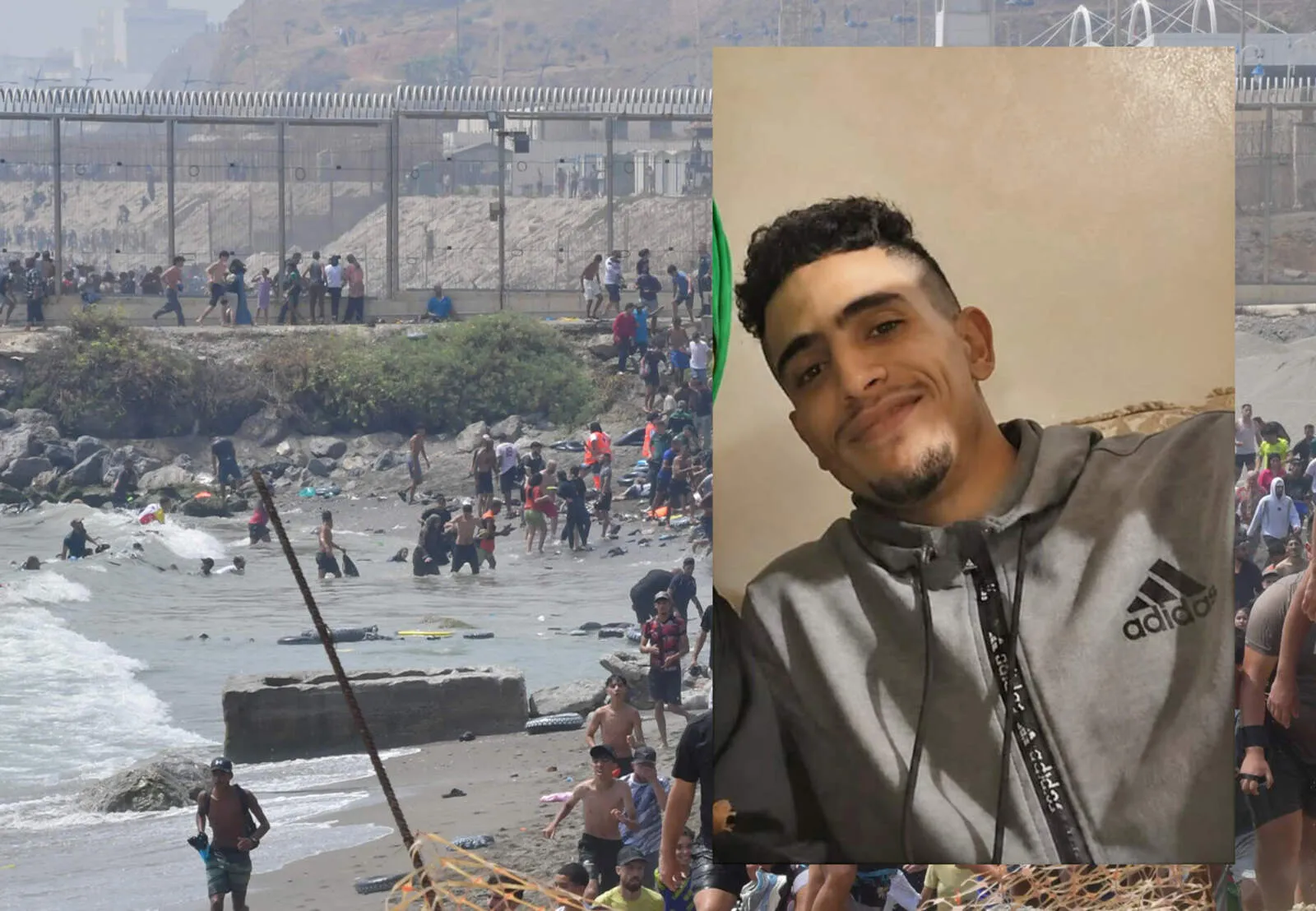
On Saturday, August 15, Morocco showcased its strength and solidified its reputation as the "ultimate guardian of the Ceuta border." In a detailed report, the authorities in Rabat made it abundantly clear who holds absolute control over this last EU outpost in Africa. They executed an unprecedented police deployment to seal the external border, effectively blocking the passage for hundreds of sub-Saharan migrants, alongside a few dozen Moroccans. These individuals had been encouraged through social media to replicate the overwhelming influx experienced on July 30 and 31, which saw over 80,000 migrants flood into the Spanish autonomous city, all while Moroccan agents remained passive.
This time, as noted by the Spanish newspaper, it resembled a battle scene from the 19th century, as security forces deployed in large numbers. They maintained their positions until early afternoon, and then riot units charged in formation to push the lines of migrants back. The newspaper reported encountering a group of three migrants resting under a tree, exhausted after clashes with police. One of them, who had traveled from Chad leaving his family behind, pleaded, "Our only hope is to reach Europe. Let us enter Ceuta!"
According to figures released later in the evening by El País, nearly 300 migrants were arrested, the vast majority being sub-Saharan. Most of these detainees were forcibly transferred in buses arranged by the authorities to distant cities in the south of Morocco, such as Ouarzazate, located over 800 kilometers away from Ceuta. Meanwhile, Spanish forces deployed in Ceuta were relegated to the role of "distant witnesses of the battle." Furthermore, a significant Moroccan contingent was mobilized to block access to Melilla, the other Spanish enclave. A high-ranking police source indicated that Morocco, "when it wants, can close the door to migrants attempting to reach the border."
As reported by fr.news.yahoo.com.