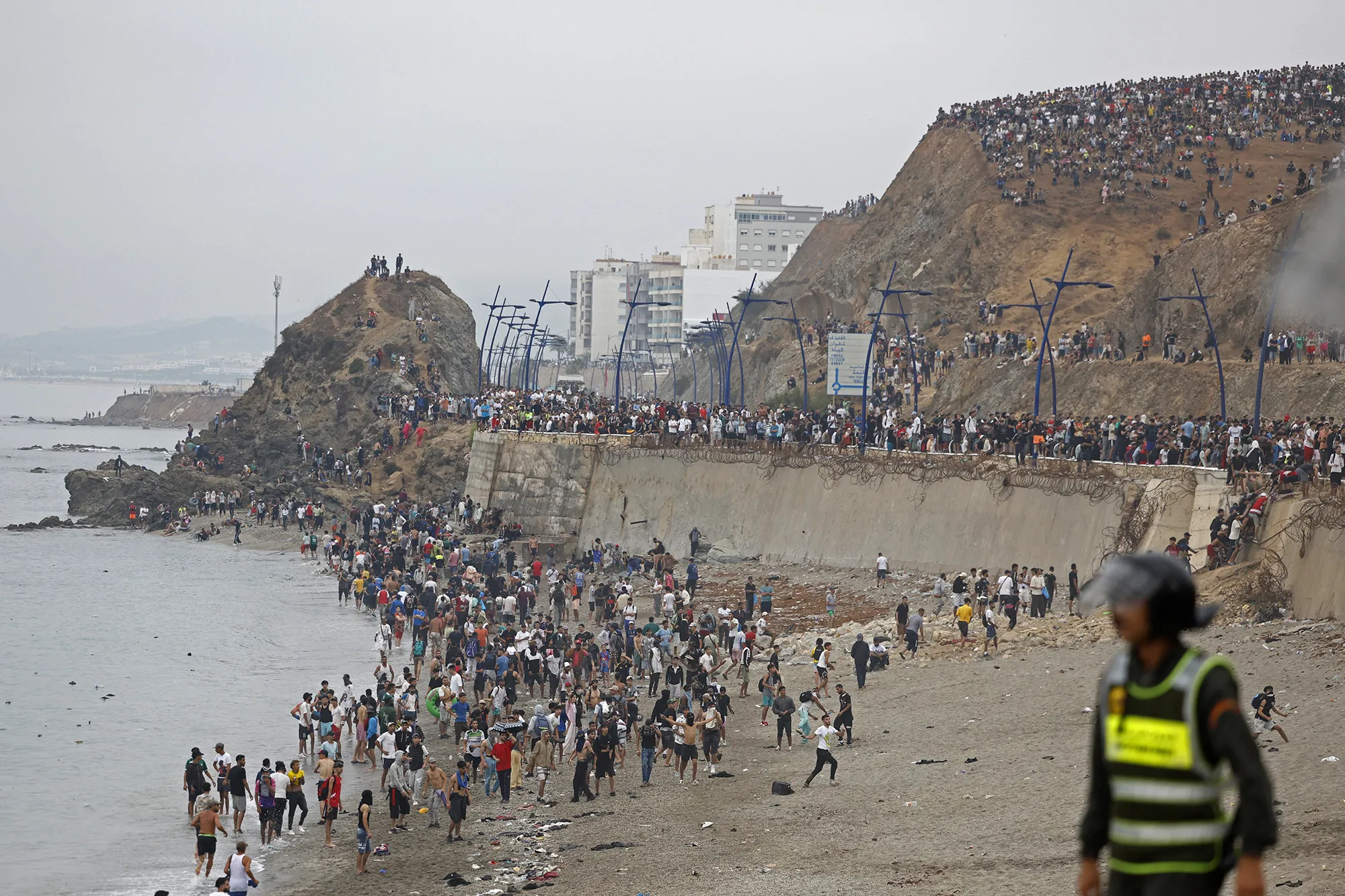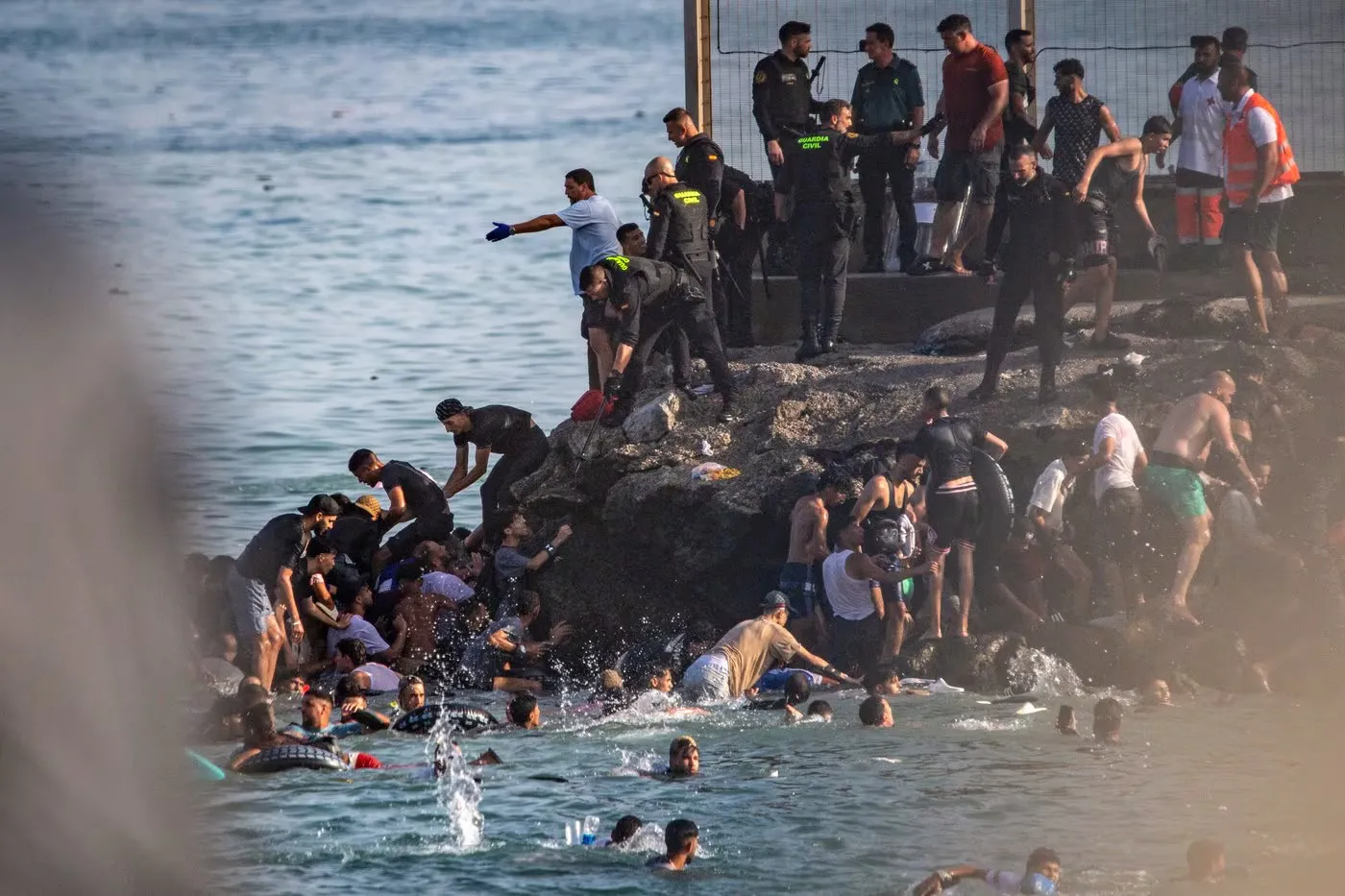

On September 10, 2026, Morocco officially rejected any allegations implicating its authorities in the significant influx of migrants to the enclave of Ceuta, which occurred at the end of July. This statement marks Rabat's first public response since the events unfolded, as the country firmly declined to be used as a scapegoat for political grievances in Spain.
The Moroccan Ministry of Foreign Affairs released a statement through the official MAP agency, asserting, "No evidence, fact, or report has established any involvement of Moroccan authorities in this situation." Furthermore, the ministry emphasized that the Kingdom of Morocco would not allow itself to be exploited for electoral gain and categorically refused to be the scapegoat for political retributions.
In late July, over 70,000 migrants crossed into Ceuta, either by foot or swimming. This influx, which occurred on July 30 and 31, resulted in numerous fatalities and disappearances. While many migrants returned shortly after their arrival, several thousand remain in Ceuta today, with many forced to sleep on the streets and beaches.
The Moroccan government's statement comes amid growing suspicions regarding its potential responsibility for the crisis, particularly after a leaked police report suggested a level of "permissiveness" from Moroccan security forces during this unprecedented event. Spanish Prime Minister Pedro Sanchez has repeatedly stated that there is "no evidence" of Morocco's involvement in the migrant arrivals, a position that has faced substantial criticism from various members of the Spanish opposition.
As reported by noovo.info.