
Morocco Refutes Claims of Orchestrating Migrant Crisis in Ceuta
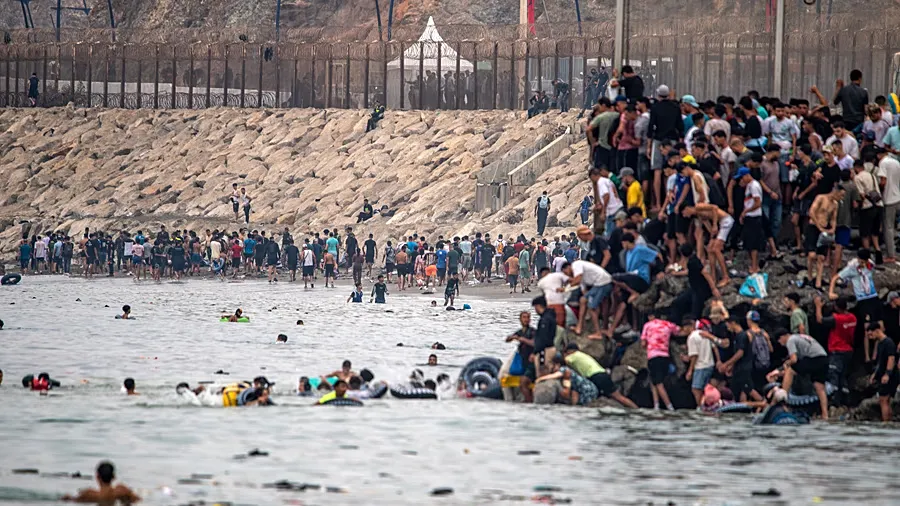
In a recent statement, the Moroccan government has categorically denied any involvement in the mass migration incidents that occurred in late July, where over 70,000 migrants crossed into Ceuta, a Spanish exclave located on the northern coast of Africa. The Moroccan foreign ministry emphasized that there are no substantive facts to support allegations that Morocco played a role in facilitating this significant influx of migrants. The government expressed its refusal to be utilized as a scapegoat for political maneuvering within Spain, which has been grappling with the aftermath of this unprecedented migration wave.
This denial marks Morocco's first official response following a controversial report from Spanish police that suggested Moroccan authorities had exhibited a "total permissiveness" during the mass crossing. Despite these allegations, the Spanish Prime Minister refrained from assigning blame to Morocco, asserting that there is a lack of evidence to prove that the Moroccan government orchestrated the events. The situation has led to heightened tensions and infighting within the European Union regarding the broader issue of migration policies and responses.
As the situation continues to unfold, the humanitarian implications of this mass migration remain a focal point of concern, with many migrants reportedly facing perilous conditions. The tragic events of late July have reignited discussions about the need for comprehensive and cooperative migration strategies among European nations, particularly in light of the ongoing challenges posed by migration from Africa to Europe. The broader ramifications of this incident are likely to influence diplomatic relations and policy-making in the region for the foreseeable future.
As reported by africanews.com.