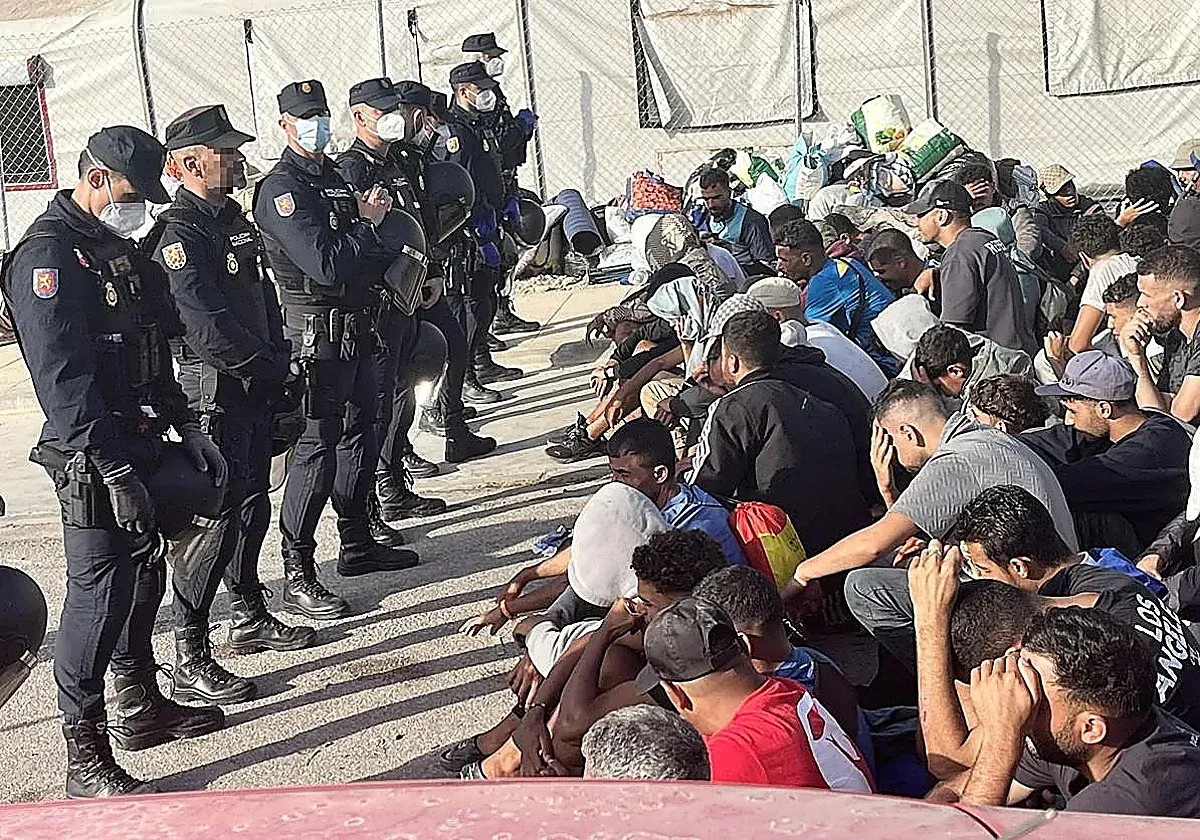

In a recent development, Morocco has firmly rejected any allegations of responsibility concerning the ongoing migrant crisis in Ceuta, and has reaffirmed its commitment to accepting all migrants, including unaccompanied minors. This declaration emerged through a letter from Moroccan authorities, which coincided with a significant debate in the European Parliament focused on the crisis involving thousands of migrants still present in the enclave.
During the parliamentary discussions, representatives from the Spanish political parties PP and Vox openly criticized Morocco, attributing the mass influx of migrants to the North African nation and advocating for a reassessment of the European Union's agreements with Rabat in light of the situation. Morocco described the events of July 30 as "unfortunate" and indicated that they are actively investigating the underlying causes of the crisis.
In their letter, Moroccan officials highlighted the role of misinformation propagated through social media and the exploitation of vulnerable individuals by migrant smuggling and human trafficking networks as contributing factors to the crisis. Furthermore, they referenced statements from the Spanish government, which acknowledged that the available information does not implicate Morocco in the events leading to the current situation.
The correspondence emphasized the acknowledgment from Prime Minister Pedro Sánchez's administration regarding Morocco's proactive cooperation in facilitating the return of the majority of migrants involved. To reinforce its commitment, Morocco has pledged to accept back not only its own citizens but also unaccompanied minors and nationals from third countries, demonstrating goodwill amid the complex circumstances.
Morocco reiterated its history of "systematically" fulfilling its obligations to Spain and the EU, underscoring a close partnership that has seen Moroccan authorities prevent over 75,000 irregular crossings annually. The nation asserted that the abrupt arrival of tens of thousands of migrants cannot be managed through lethal force, which they do not regard as an appropriate or effective solution for migration control.
In concluding the letter, Moroccan officials questioned the rationale behind provoking a crisis with Spain and the EU, especially at a time when their relationship is purportedly strengthening. The PP party expressed concern that none of its 22 Members of the European Parliament (MEPs) had received any communication from the Moroccan Embassy regarding the matter, with Esteban González Pons requesting clarity on the list of recipients of the Moroccan letter.
As reported by surinenglish.com.