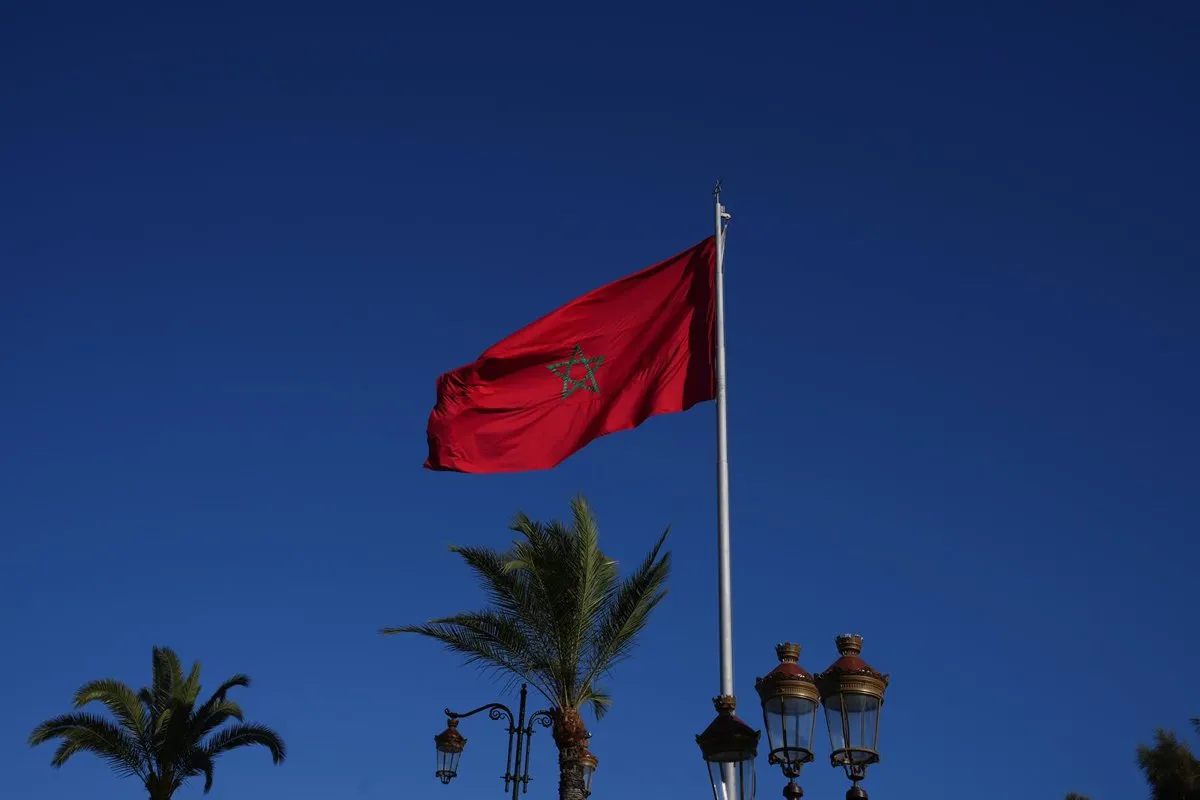

Morocco's Stance on the Recent Migrant Influx
In a recent statement, Morocco's Ministry of the Interior distanced itself from any responsibility regarding the significant influx of migrants into Ceuta through the Tarajal pier. This surge, which occurred last week, has been attributed to a myriad of factors, including the operations of human trafficking networks and the spread of misinformation on social media following a Supreme Court ruling earlier in July. The Moroccan government, in a communication issued through the MAP agency, insisted that the recent wave of migrants was not the result of spontaneous circumstances or random factors. Instead, they described it as a consequence of the malicious exploitation of digital spaces and the activities of human trafficking organizations, compounded by the dissemination of misleading information and misinterpretations surrounding recent judicial decisions made by Spanish authorities.
This sentiment was echoed by José Manuel Albares, Spain's Minister of Foreign Affairs, European Union, and Cooperation, during an interview with RTVE. Albares pointed out that there was unusual activity on social media platforms that amplified and distorted the Supreme Court's ruling. He reaffirmed Morocco's status as a “reliable partner” and praised their cooperation in facilitating the return of those who crossed the border back to Moroccan territory. Albares highlighted that the vast majority of individuals who traversed the frontier have already returned, noting that Morocco has consistently offered its assistance from the outset to stem the flow of migrants and ensure their immediate return, as is currently taking place. He further assured that every individual who crossed the border would be sent back to Morocco and criticized the perceived disloyalty of certain European governments, as well as political parties such as PP and Vox.
Casualties and Ongoing Cooperation
Additionally, the Moroccan government reported that 11 individuals died in their waters, primarily due to drowning attempts while trying to swim to Spanish territory. They estimated that approximately 40,000 people were involved in this perilous crossing, a figure lower than what Spanish authorities have suggested. Furthermore, Morocco noted that they successfully prevented the entry of 1,135 individuals into Melilla.
The statement from the Moroccan government reiterated its commitment to combating illegal migration and requested a fair distribution of the burdens associated with managing migration flows. It concluded by asserting that Morocco will continue to be, as its partners expect, a reliable and responsible ally committed to enhancing international cooperation and coordination in the fight against irregular migration and human trafficking.
As reported by lavanguardia.com.