
Morocco's Parliamentary Elections: A Reflection of Discontent
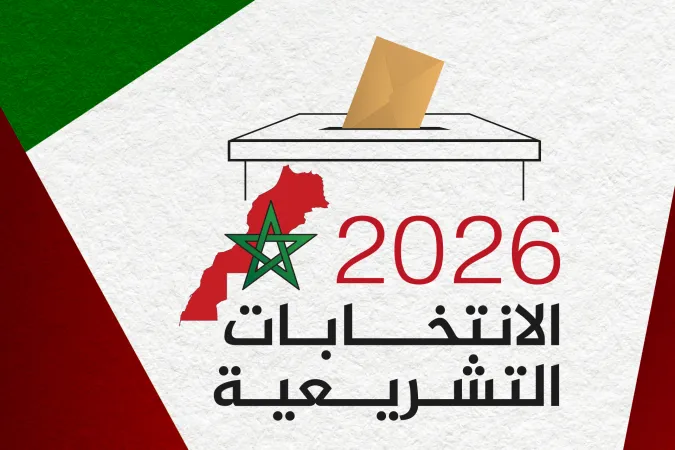
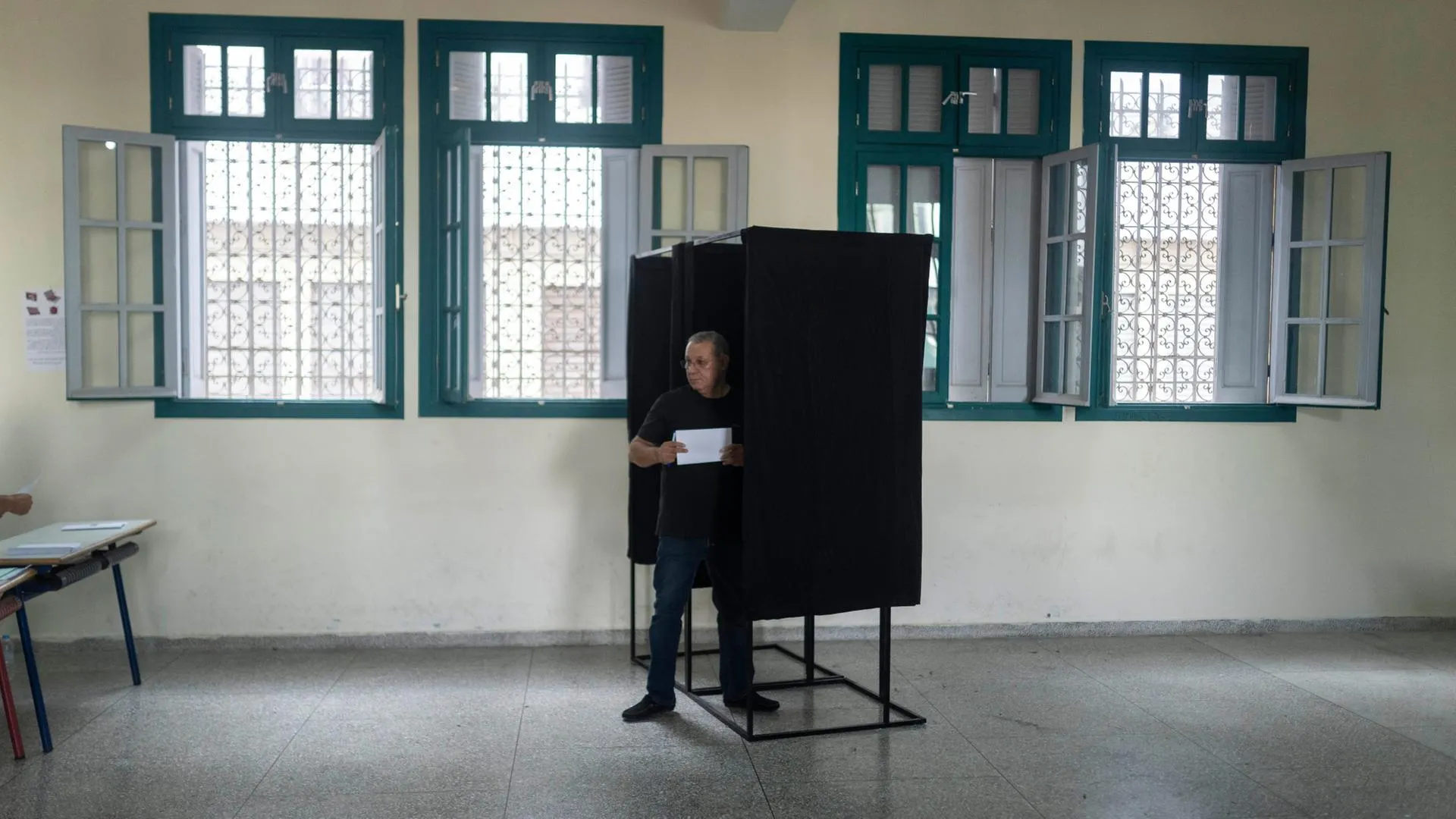
Morocco has recently concluded its parliamentary elections, leading to the anticipated appointment of a new Prime Minister. The results reveal that the Party for Authenticity and Modernity (PAM) has emerged as the dominant political force, securing 97 of the 395 available parliamentary seats. However, the elections have been overshadowed by significant public discontent and a marked decline in trust towards the government’s effectiveness, as evidenced by a voter turnout of only 38%, the lowest in nearly two decades.
The low participation rates were apparent even before election day, with just around 15.8 million citizens registered to vote, representing slightly more than half of the 28 million eligible voters in the country. Alarmingly, only 4% of those registered belonged to the 18- to 24-year-old demographic, highlighting a concerning disengagement among younger voters. The last time Morocco witnessed such a low turnout was in 2007, when participation was recorded at 36.8%. In the previous parliamentary elections of 2021, about half of the eligible voters cast their ballots.
The Challenges Facing Morocco's New Government
Despite the election of a new parliament, significant power remains concentrated within the monarchy. Observers attribute the declining voter turnout primarily to a lack of confidence in the parliament's limited authority, as critical political decisions are predominantly made in the royal palace. Additionally, key ministerial positions—including those pertaining to foreign affairs, domestic issues, and religious affairs—are appointed by the royal family. This has fostered pervasive dissatisfaction among the populace, particularly concerning the struggling economy and ongoing social crises. Consequently, the electoral campaign prominently featured issues such as job security, education, and healthcare.
In terms of party dynamics, the PAM's rise to power places it in a position to influence the selection of the new Prime Minister, who will be tasked with forming a government that will serve a five-year mandate after being appointed by King Mohammed VI. The current leading candidate for this pivotal role is Fouzi Lekjaa, the president of the Moroccan Football Federation, who brings prior governmental experience as the Minister Delegate in charge of the budget.
As reported by tagesschau.de.