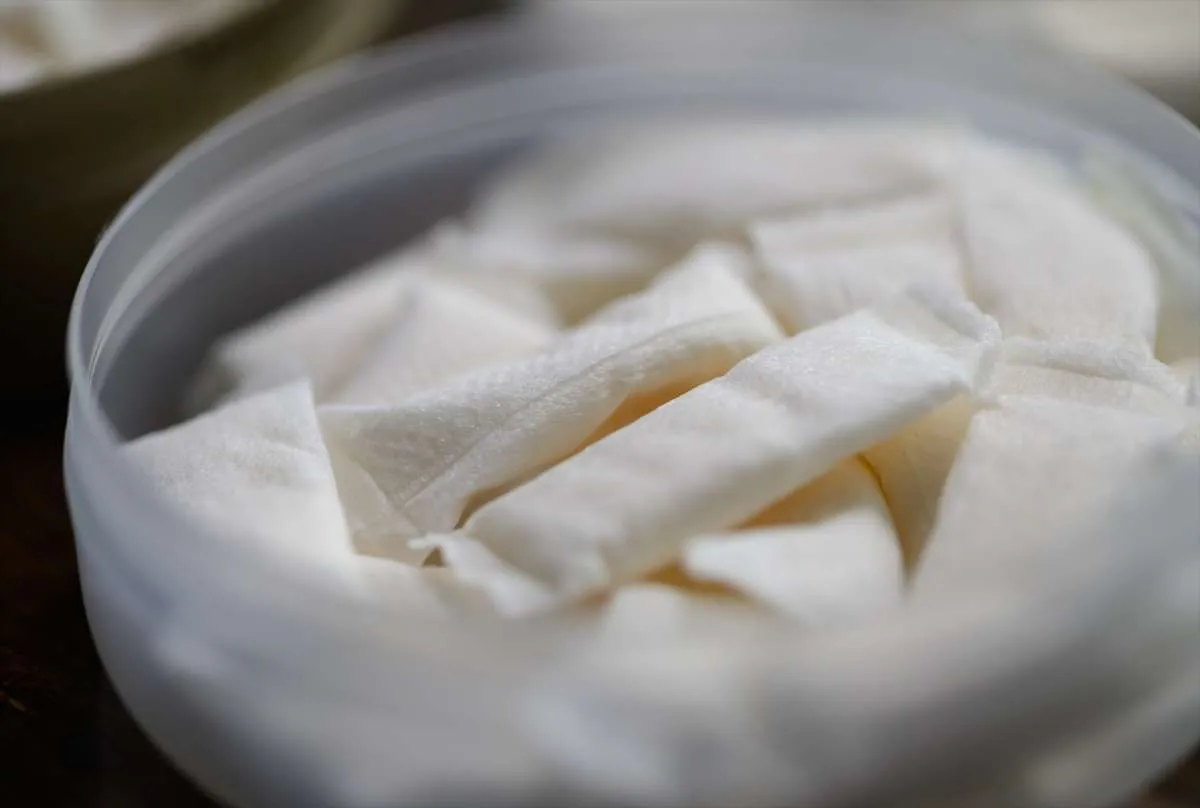

In a significant move towards public health, Morocco has decided to regulate nicotine pouches as a viable alternative to traditional tobacco cigarettes. This decision stands in stark contrast to Spain, which is moving towards prohibiting such products despite the successful implementation seen in countries like Sweden. Sweden, known for its progressive public health policies, allows nicotine pouches and has recorded a markedly lower incidence of severe health issues, including lung cancer, which is reported to be up to 40% less than in other European nations. This reduction not only enhances public health but also leads to lower healthcare costs for nations that adopt such measures.
Recently, Morocco established a comprehensive regulatory framework for alternative tobacco products, including nicotine pouches. This framework mandates safety requirements, composition standards, labeling, traceability, and effective border and market controls. By adopting these regulations, Morocco aligns itself with the practices of countries like the United States and Sweden, which have successfully integrated nicotine pouches into their public health strategies. Sweden, for instance, has become a smoke-free country, with less than 5% of its population being smokers, largely due to the widespread use of nicotine pouches.
Unlike its neighbor Spain, Morocco seems to understand that effective regulation and information dissemination are more beneficial than forcing these products underground. The Moroccan authorities, along with consumer associations, emphasize the importance of distinguishing between traditional cigarettes, which are the primary cause of severe health conditions, and smoke-free alternatives. This approach aims to reduce smoking rates, protect adult consumers, and prevent the growth of the informal market for tobacco products.
On the contrary, the European Commission appears to be moving in an opposing direction. The ongoing review of the Tobacco Products Directive (TPD) aims to tighten or restrict the availability of nicotine pouches without making clear distinctions based on the risk factors associated with traditional cigarettes, despite the fact that these pouches are combustion-free and tobacco-free. This lack of differentiation contradicts the growing body of international evidence suggesting that risk-based regulatory approaches are more effective in reducing cigarette consumption.
Morocco's proactive stance places it ahead of the European debate, adopting a model that aligns with countries that have made tangible progress in combatting smoking. By regulating with proportionality and evidence, rather than attacking the category outright, Morocco is setting a precedent. The U.S. Food and Drug Administration (FDA) has similarly endorsed nicotine pouches, citing potential health benefits for smokers.
With this forward-thinking decision, Morocco emerges as a significant player in the Mediterranean and European contexts, drawing from international experiences that illustrate how smart regulation of smoke-free alternatives can help decrease cigarette consumption and related diseases. As Europe continues to grapple with its regulatory approaches, Morocco showcases a viable pathway towards improved public health outcomes.
Nicotine pouches are small sachets placed between the lip and gum, releasing nicotine that is absorbed through saliva. Typically flavored and made from plant fibers, they contain no tobacco. The absence of combustion, which poses the primary health risks associated with smoking, is a substantial advantage over traditional cigarettes. Additionally, nicotine pouches eliminate harmful substances found in cigarettes, such as carbon monoxide and tar, thus significantly reducing respiratory harm.
While nicotine can be addictive and may have mild side effects, these pouches serve as an excellent substitute for many smokers, facilitating a transition that can help those with nicotine addiction to quit. Furthermore, they can be used in places where smoking is prohibited, which is increasingly becoming the case in Spain and beyond.
As reported by vozpopuli.com.