Morocco's Booming Investment Landscape
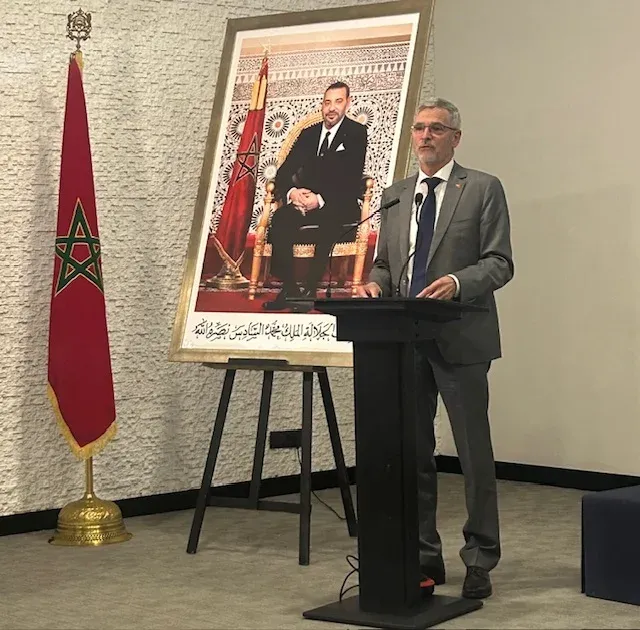
Morocco is witnessing a remarkable surge in German investments, marked by foreign direct investment (FDI) inflows reaching an impressive €2.1 billion in 2024. With around 300 German enterprises currently operating within its borders, Morocco has become an attractive hub for international business, creating approximately 35,000 skilled jobs. This upward trend was highlighted by Germany's ambassador to Morocco, Robert Dölger, during a recent conference held in Casablanca. The trade relationship between Morocco and Germany is also thriving, with total goods exchanges amounting to €7.4 billion in 2025, consisting of €3.5 billion in Moroccan exports and €3.9 billion in imports, positioning Germany as Morocco's fifth-largest customer and sixth-largest supplier.
One of the key sectors driving this momentum is the automotive industry, with German company Leoni leading the charge. Leoni is set to invest €230 million in a new industrial site in Agadir, expected to generate 3,000 direct jobs by 2027. This marks a significant milestone as it represents the first major automotive investment in southern Morocco. Additionally, Leoni is expanding its presence in central Morocco with a new site in Bouskoura that will include a research and development center, as well as an expansion in Berrechid aimed at employing 10,000 people by the end of 2026. The company also plans to establish a new wiring factory in Kénitra within the Atlantic Free Zone, ultimately looking to scale its workforce to 23,000 across six major projects by 2027.
Strategic Developments in Logistics and Beyond
In the logistics sector, German firm Dachser is planning a substantial site at Tanger Automotive City, covering 75,000 square meters, which will include a 20,000-square-meter warehouse by the end of 2027. The company is also eyeing investments in southern provinces by 2028 or 2029, closely monitoring the construction of the Dakhla port which promises to open new trade routes with West African nations. The Moroccan government's investment in port infrastructure is seen as a significant advantage for companies like Leoni and Dachser, potentially providing alternatives during adverse weather conditions that may disrupt operations at the Tangier Med port.
Despite the enthusiasm surrounding these developments, the ambassador noted that interest from other German automakers remains observational due to geopolitical factors that may influence investment decisions. The stability of Morocco and its geographical proximity to Europe are seen as significant advantages for potential investors.
Moreover, the chemical and agrochemical industries are garnering interest, although investments face hurdles due to high costs and an uncertain international environment. Bayer, a notable player in the agrochemical sector, has established a solid presence through partnerships with local entities, recently investing 200 million dirhams to launch three new production lines at its Nouaceur site, which exports to 45 countries in the EMEA region.
Overall, the strengthening of economic ties between Morocco and Germany reflects a broader trend of collaboration that is anticipated to benefit both nations. Robert Dölger emphasized the importance of these major investments across various sectors, highlighting their role in creating jobs in Morocco and integrating the Moroccan economy into European value chains. Katharina Felgenhauer, the general director of the German Chamber of Commerce and Industry in Morocco, echoed these sentiments, stating that the increasing diversity of sectors involved demonstrates Morocco's growing attractiveness as an investment destination, further cementing the essential role of the private sector in fostering a sustainable partnership.
As reported by yabiladi.com.