

Morocco's Industrial Dominance in Africa
The Moroccan industry is no longer merely shining; it now stands as the dominant force on the African continent. According to the Africa Industrialisation Index (AII) 2025, published by the African Development Bank (ADB), Morocco has been recognized as Africa's leading industrial power for the first time since the inception of this index in 2010. This report highlights Morocco as one of the few African economies adept at integrating industrial policy, port logistics, trade integration, and international attractiveness. This synergy positions the Kingdom as a major manufacturing hub in Africa, particularly in the automotive, aerospace, processed phosphates, and various industrial sectors closely tied to European markets.
This significant advancement reflects a deeper transformation of Morocco's economic model, which has historically focused on traditional sectors. The national industry has now transitioned towards integrated ecosystems that not only attract large multinational corporations but also progressively develop local outsourcing and export capacities.
The Automotive Sector: A Key Driver of Growth
The automotive industry remains the primary engine of this industrial ascent. The ADB report confirms that Morocco continues to be the leading automotive exporter on the continent, largely due to the ongoing expansion of industrial platforms in Tangier and Kenitra. This growth now transcends mere assembly operations, as Morocco is gradually developing a denser value chain that encompasses wiring, components, industrial engineering, and trades associated with electric mobility.
Logistical competitiveness plays a central role in this evolution. The Tangier Med port facilitates the swift connection of Morocco's industrial platforms to European, African, and Mediterranean markets, effectively reducing transport times and enhancing the attractiveness of Moroccan industrial sites. The ADB emphasizes that few African countries simultaneously possess world-class port infrastructures, extensive trade agreements, and integrated export-oriented industrial ecosystems.
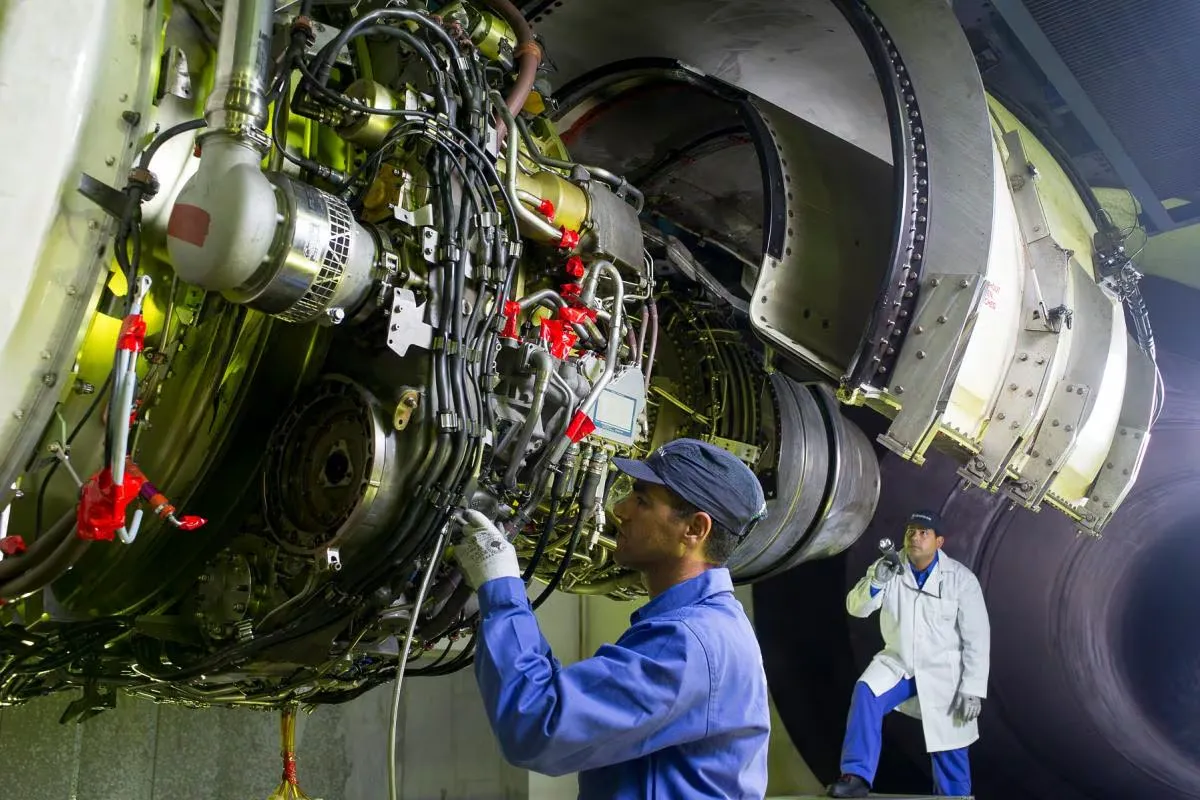
The report also notes the ongoing advancement of the Moroccan aerospace industry, which has become one of the continent's most sophisticated segments. Cities like Casablanca and Nouaceur, along with several specialized industrial platforms, now host activities related to wiring, component assembly, maintenance, and precision aerospace systems. This evolution illustrates a gradual upgrading of the Moroccan industry towards sectors requiring higher technical skills, industrial compliance, and technological integration.
Morocco's trajectory distinguishes it from several African economies still heavily reliant on raw material exports. Conversely, the Kingdom has managed to strengthen its integration into global industrial value chains, enabling it to surpass direct competitors such as South Africa and Algeria, whose manufacturing bases face challenges from logistical slowdowns and energy difficulties.
The ADB report highlights the strategic role of Moroccan logistical infrastructures in the country's industrial transformation, with Tangier Med emerging as one of Africa's main maritime and industrial hubs. This infrastructure significantly alters Morocco's position in regional and international trade flows, creating an integrated model that combines production, logistics, and export capabilities.
As Morocco continues to leverage its geographical proximity to Europe, it has strategically positioned itself in a global landscape characterized by the reorganization of supply chains and the search for industrial platforms close to consumer markets. The ADB report underscores that Morocco's industrial capabilities in fertilizers further enhance the Kingdom's geoeconomic positioning on the African continent.
As reported by fr.le360.ma.

