
Morocco Reverts to Greenwich Mean Time Following a Lengthy Debate
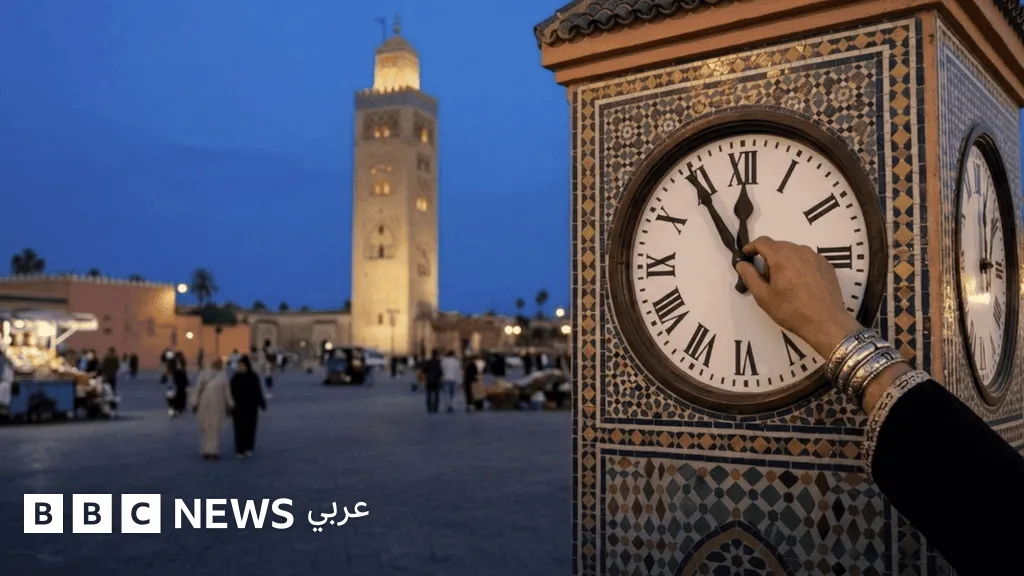
As of today, Sunday, Morocco has officially returned to Greenwich Mean Time (GMT), effectively abolishing the controversial practice of daylight saving time. This significant change was enacted following the government's decree from June 25, 2026, which mandated the clock to be set back by 60 minutes at 2 AM this morning. This measure marks the end of a long-standing debate on the utility of the additional hour, which had been both supported and opposed by various segments of society. Proponents argued that the extra hour fostered economic activity, while critics believed it disrupted daily life.
The Moroccan government had previously announced in late June 2026 that the country would permanently discontinue daylight saving time starting September 20, 2026. This decision signals the conclusion of a contentious eight-year period during which the nation utilized an advanced time zone of GMT+1, with the exception of Ramadan, when it reverted to standard time. The implications of this decision are expected to ripple across work hours, academic schedules, and public transport as Morocco embraces GMT officially and permanently.
Eight Years of Controversy
The decision to revert to GMT symbolizes the resolution of one of the most debated issues in Moroccan society in recent years. Since October 2018, the country adopted GMT+1 as its standard time, which was met with widespread criticism from various demographics, particularly parents, students, and employees. Many expressed their dissatisfaction over the early start times during winter months, which adversely affected their daily routines and biological rhythms. The government originally justified the implementation of daylight saving time as a means to reduce the number of annual clock changes, aiming to maximize energy savings and align better with European economic partners.
In the years leading up to this change, numerous online campaigns and petitions advocating for the abolishment of daylight saving time gained traction, reflecting a collective demand from the public for a return to GMT. In June 2026, the Moroccan government ratified Decree No. 2.26.530, formally annulling the 2018 legislation and establishing September 20, 2026, as the date for the final transition back to the legal time of GMT. As the country moves away from the experience of daylight saving time, which lasted nearly eight years, the debate over its effects on daily life and productivity has reached a decisive conclusion.
On social media platforms, reactions to the return to GMT have been mixed, with many Moroccans expressing relief and enthusiasm over the change. Some view it as a long-awaited correction to a decision that has sparked prolonged debate, while others remain cautious about its potential impact on work and academic schedules. The true test of this decision will be observed in the coming months as citizens adjust to the new time and its implications for their daily lives.
As reported by bbc.com.