
As reported by defense-arabic.com.
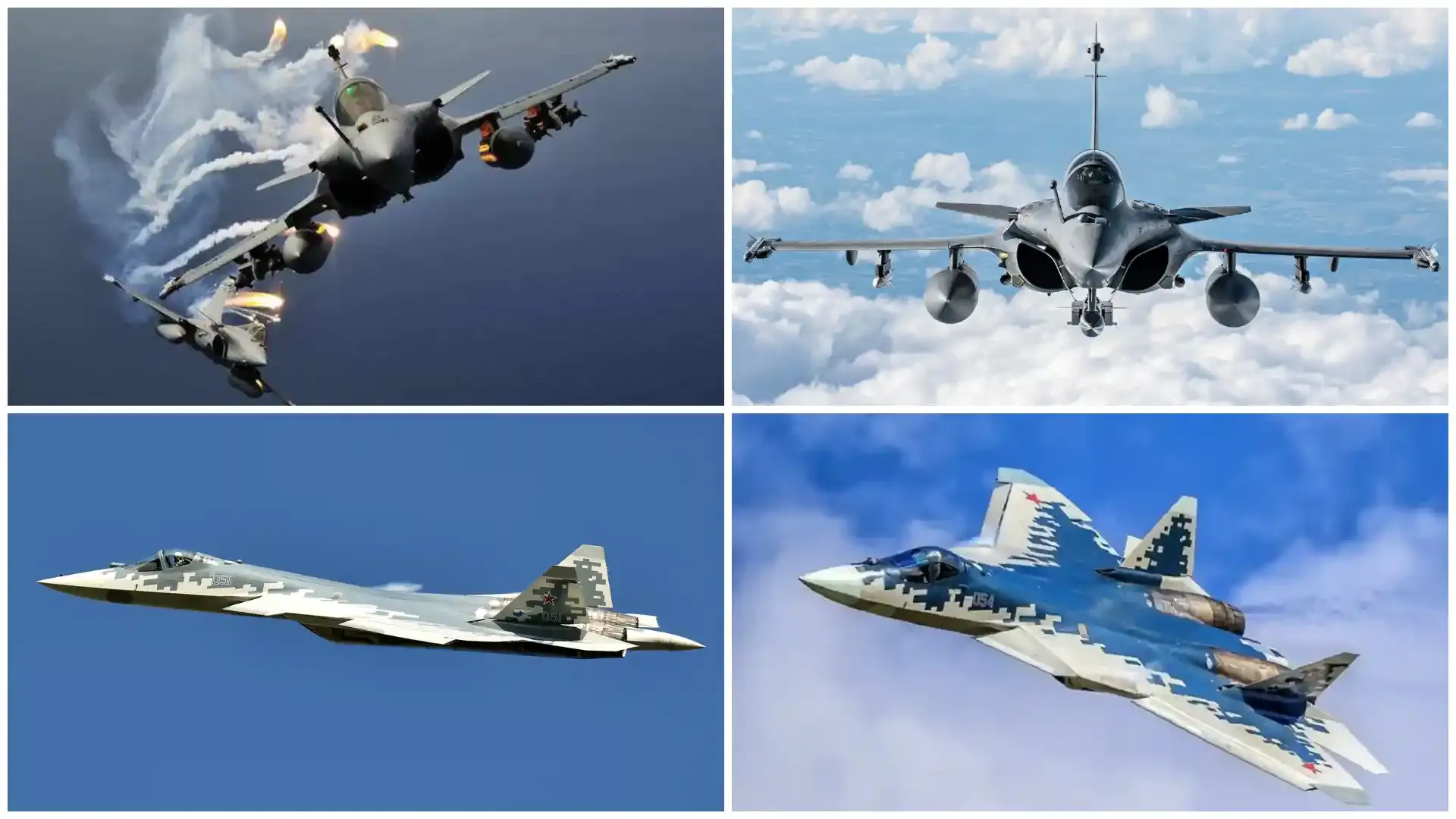
On July 13, 2026, it was reported that Morocco is actively negotiating with France for the potential purchase of between 12 and 18 Dassault Rafale F4 multi-role fighter jets. These discussions have gained momentum due to ongoing delays in the delivery of 25 F-16 Block 70/72 aircraft, which were contracted in 2019 but are now expected to be delivered between 2027 and 2028. The F-16 delays, primarily attributed to production pressures at Lockheed Martin and modifications to the Viper Shield electronic warfare system, have prompted Morocco to consider alternative options for strengthening its air force capabilities.
According to Spanish, French, and Moroccan defense media, the negotiations have advanced significantly, with the two governments discussing an agreement that would see the delivery of the Rafale jets commencing in 2030 and extending into 2031. Additionally, the talks may include options for acquiring A330 MRTT aerial refueling aircraft, as well as Scorpène-class submarines for the Royal Moroccan Navy. Sources suggest that the signing of this agreement could occur before the end of President Emmanuel Macron's current term, although no official confirmation has been made.
This renewed interest in the Rafale fighter jets represents a significant shift for Morocco, as a similar attempt to procure these aircraft in 2007 was unsuccessful when Morocco opted for the American F-16s instead. The urgency of these negotiations is underscored by the ongoing military developments in Algeria, which has embarked on an extensive arms acquisition program considered the largest in the Maghreb region. Between March 2025 and April 2026, 167 military cargo flights were tracked between Russia and Algeria, with some of these flights originating from Komsomolsk-on-Amur in the Russian Far East, where Su-35 and Su-57 fighters are produced. Notably, Algeria has emerged as the first foreign customer of the Russian stealth fighter Su-57E and has reportedly ordered between 12 and 14 units.
Furthermore, Algeria is reportedly negotiating to acquire 30 to 40 Chinese J-10CE fighters, alongside 3 or 4 airborne early warning aircraft of the KJ-500 model, to replace its aging MiG-29 fleet. Western analysts have indicated that the KJ-500 could provide Algeria with capabilities to detect aerial targets as far as the Strait of Gibraltar, a capacity that Morocco currently lacks. Amid these developments, U.S. officials have cautioned that Algeria's arms purchases from Russia may expose it to sanctions under the U.S. CAATSA legislation, which targets countries engaging in significant arms deals with Russia, though Algeria's role as a key energy supplier to Europe complicates potential U.S. pressure.
On the Moroccan side, the delays in upgrading its air force are becoming increasingly apparent. The situation is further exacerbated by the unavailability of used Mirage 2000-9 aircraft from the UAE, as Abu Dhabi has opted to retain these jets. Initial discussions regarding the acquisition of American F-35A fighters face challenges related to delivery timelines and costs, which could amount to tens of billions of dollars.
In terms of military cooperation, France and Morocco have seen notable developments, including the participation of five Rafale B fighters in the Marathon 25 exercises alongside Moroccan F-16s between June and July 2025. A Franco-Moroccan joint armament committee was established the same month following a visit by French defense procurement official Emmanuel Chiva to Morocco. By the end of 2025, Dassault Aviation had received a total of 220 orders for Rafale aircraft, with production expected to ramp up to 48 jets annually by 2028 and 2029. Should Morocco finalize a deal for 12 to 18 Rafale jets, it will have to wait for its share of the production amid a busy delivery schedule that includes orders from India, Croatia, Indonesia, and Greece.
Beyond defense, relations between Paris and Rabat are strengthening, as French Prime Minister Sébastien Lecornu is scheduled to visit Morocco on July 15 and 16, marking his first foreign visit since taking office, accompanied by approximately 12 ministers. The relationship has improved significantly since President Macron's recognition of Morocco's sovereignty over Western Sahara in the summer of 2024, paving the way for enhanced bilateral cooperation.