
In a significant escalation of border security measures, Morocco has recently deployed riot police and commenced the installation of barbed wire and other barriers at sensitive access points to Ceuta. This decision follows an alarming influx of over 70,000 individuals who entered Spanish territory during the weekend of July 29 and 30. The Moroccan authorities are keen on controlling all routes leading to Ceuta, both by land and sea, with reports indicating that specialized contingents from various security and military forces are actively monitoring the situation.
Joint patrols are now vigilantly overseeing all routes from Tangier to Ceuta, and public transport options such as buses and taxis, which are often utilized by individuals attempting to cross the border illegally, are under continuous surveillance. One of the most critical areas of concern is the woodland that separates Ceuta from Castillejos (Fnideq in Moroccan), where many migrants typically seek refuge while awaiting their opportunity to cross into Spanish territory. Moroccan patrols have intensified their efforts in these regions, aiming to apprehend anyone attempting to reach Spain unlawfully. Reports from the Moroccan Ministry of the Interior indicate that dozens of undocumented migrants, primarily hailing from sub-Saharan Africa, have already been detained.
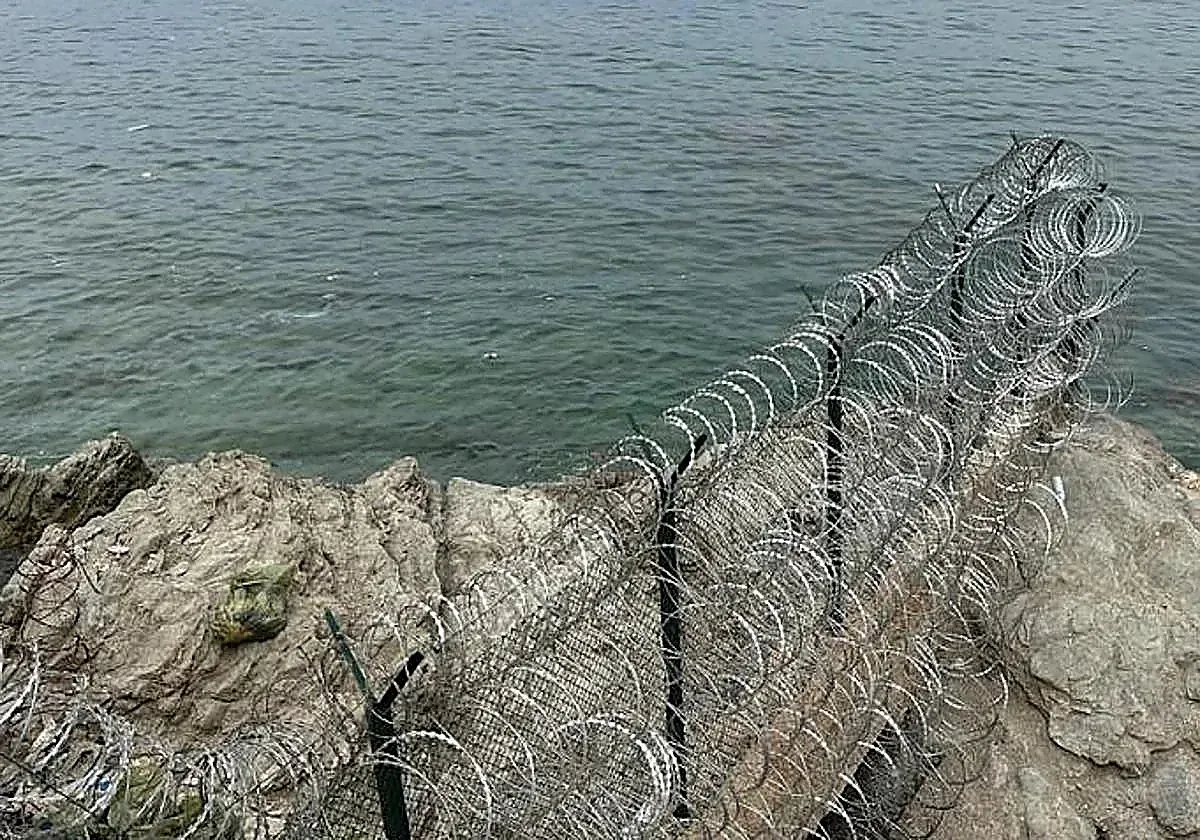
As part of the heightened security protocol, Morocco is erecting barbed wire and metal posts in zones where, just recently, thousands of individuals attempted to swim to Ceuta. A pivotal aspect of this ongoing migration crisis can be traced back to a ruling by the Spanish Supreme Court, which prohibits the immediate deportation of individuals who swim across the border, regardless of the legality of their actions. In a bid to discourage any future waves of migrants, Moroccan security forces are now constructing fences that extend approximately ten meters into the sea.
On the beaches of Castillejo, from where many individuals set sail just weeks ago, the Moroccan authorities are reinforcing these measures by installing metal barriers and wire to complicate access further. The controversial use of rolls of wire with sharp points has raised concerns in the past due to the potential hazards posed to those attempting to scale border fences. While Spain ceased using such measures back in 2007, Morocco continues to implement them. Furthermore, the Moroccan Ministry of the Interior has announced that several individuals suspected of inciting illegal migration through online platforms have been arrested during recent police operations. The ministry has made it clear that anyone attempting to evade security checks will face immediate arrest and prosecution.
In light of these developments, the local government is urging Spain for enhanced cooperation and is reiterating its demand for a more expedited process regarding the transfer of unaccompanied minors who crossed into Ceuta at the end of July. As reported by surinenglish.com.