
Strengthening Maritime Rescue Systems in Morocco
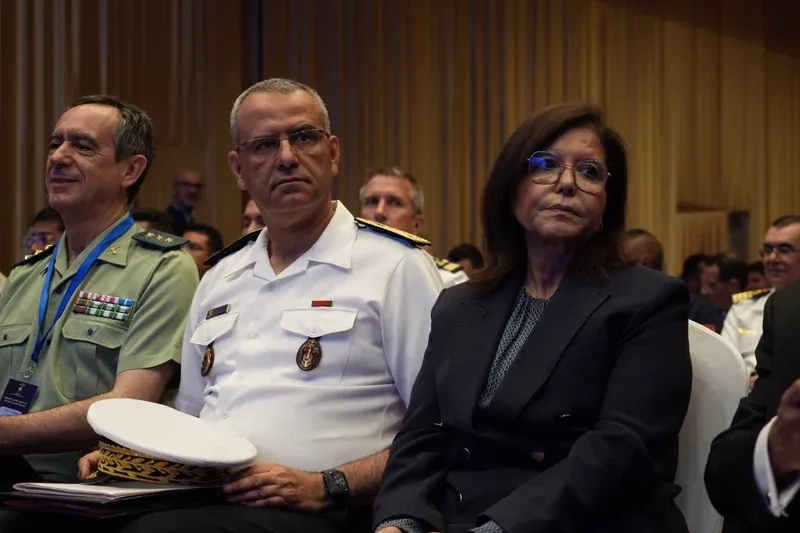
Zakia Driouch, the Secretary of State for Fisheries at the Ministry of Agriculture, Maritime Fisheries, Rural Development, Water, and Forests, affirmed on Wednesday in Tangier that the advancement of Morocco's maritime search and rescue systems represents an "irreversible commitment to enhancing the capabilities required to undertake the noble mission that our country fulfills as a coastal state." During her speech at the official opening of the "Sarkas Al-Madiq 2026" field exercise, Driouch emphasized that close coordination and cooperation among various civil and military entities in the maritime search and rescue domain enables Morocco to meet the challenge of ensuring the safety of water users within its territorial waters.
The government official highlighted the level of collaboration between Morocco and Spain in maritime search and rescue, noting that it is exemplified through joint coordination efforts in rescue operations, training, and exercises. She praised the fruitful exchanges between Morocco and regional countries in this area. Driouch pointed out that collective rescue has become a central concern for all rescue organizations worldwide, given its unique complexities, particularly due to the large number of individuals that must be rescued promptly.
International Cooperation in Maritime Safety
The speaker noted that the difficulties faced by various nations in handling maritime incidents involving significant numbers of endangered individuals underscore the efforts of the International Maritime Organization (IMO) to establish appropriate mechanisms aimed at improving the management of collective rescue operations. She emphasized that the approach to strengthening large-scale intervention resources is beneficial for all maritime users, especially in the fisheries sector. Driouch explained that the size of the active fishing fleet, the large number of fishermen operating daily, and the potential for simultaneous accidents necessitate the implementation of extensive rescue operations.
The various exercises organized previously have significantly enhanced the national search and rescue system, enabling it to effectively meet the expectations of different maritime users, including commercial sailors, fishermen, and recreational boaters, while also responding to the increasing needs of irregular migrants for assistance and rescue. Driouch described the "Sarkas Al-Madiq 2026" exercise as part of Morocco's ongoing commitment to improving the competencies of coordinators and rescue teams in managing major maritime incidents, allowing for the testing of the effectiveness of Morocco's technical and logistical capabilities in responding appropriately to maritime emergencies, in accordance with the practices endorsed by the IMO and the International Civil Aviation Organization.
Driouch reiterated that the Fisheries Department spares no effort to continuously improve national and regional search and rescue services through a national maritime rescue coordination center characterized by efficiency and specialized, rapid, and effective intervention means. Saeed Zebek, head of the Royal Armed Forces delegation participating in the exercise, stated that this event represents an opportunity to focus on enhancing maritime capabilities and preserving lives at sea. He confirmed that the exercise embodies a shared will to confront the increasing challenges related to navigation security and maritime rescue operations.
Zebek also noted that King Mohammed VI's maritime vision emphasizes the ocean as a fundamental lever for economic development, sovereignty, and geopolitical integration, focusing on transforming the Atlantic into a space for African integration through the Atlantic Initiative launched in 2023. This initiative reaffirms Morocco's African role via the sea, alongside promoting a blue economy and enhancing maritime security and connectivity.
The military official stressed that Morocco places particular importance on maritime security and safety, prioritizing the protection of individuals at sea as a core operational and humanitarian commitment, reflecting its dedication to international obligations and regional responsibilities. Through the Royal Navy, the Maritime Rescue Coordination Center, and all relevant national actors, Morocco continuously works to enhance its capabilities in maritime surveillance, alerts, coordination, and intervention through exercises aimed at improving response effectiveness to ensure a quick and coordinated response in maritime distress situations.
The "Sarkas Al-Madiq 2026" exercise represents a valuable opportunity to enhance interoperability among various partners, exchange experiences and best practices, and improve joint search and rescue procedures. Zebek highlighted that Morocco believes that contemporary maritime challenges can only be addressed through close cooperation, mutual trust, and continuous coordination among coastal states and partners.
Apart from its operational nature, the exercise also carries a profound humanitarian dimension, as every effort made in the search and rescue domain primarily aims to save lives, assist those at risk, and uphold the values of solidarity and assistance that have always characterized the maritime domain. Alexander Korne, a representative of the International Maritime Organization, regarded the event organized by Morocco as a reflection of their shared commitment to enhancing cooperation among search and rescue services across the region. He affirmed that the exercise practically contributes to protecting the outcomes of the 2000 Growth Agreements and regional cooperation in maritime search and rescue among African coastal states.
Korne emphasized that threats at sea do not recognize borders, underscoring that practical operations rely fundamentally on swift and effective responses, clear communication capabilities, and operational trust between rescue coordination centers and other relevant authorities. He pointed out that when coordination centers and administrations recognize each other, understand each other's procedures, and can communicate quickly and clearly, coordination improves, allowing for quicker mobilization of assistance to those in danger at sea.
He also affirmed that the event represents a valuable opportunity to establish mutual understanding of the maritime systems for search and rescue, operational procedures, and institutional arrangements among participating countries, highlighting its significance for the Atlantic and the coastal context of Central and West Africa, which not only share busy Atlantic routes but also various other cross-border activities such as fishing. These insights confirm the need for joint cooperation among states and the exchange of best practices and national experiences, playing an essential role in addressing specific challenges identified in recent International Maritime Organization committees for search and rescue in the region, including enhancing legal frameworks for search and rescue, improving institutional coordination, and strengthening operational practices in line with the SOLAS and SAR agreements. It is noteworthy that the maritime search and rescue exercise "Sarkas Al-Madiq 2026," organized by the Fisheries Department in coordination with the Royal Navy, the Royal Gendarmerie, the Royal Air Force, Civil Protection, and the General Directorate of National Security, involves participation from several European, Arab, and African countries, along with international experts in the field, and will continue until Friday.
As reported by hespress.com.