
Morocco's Military Expansion in the North
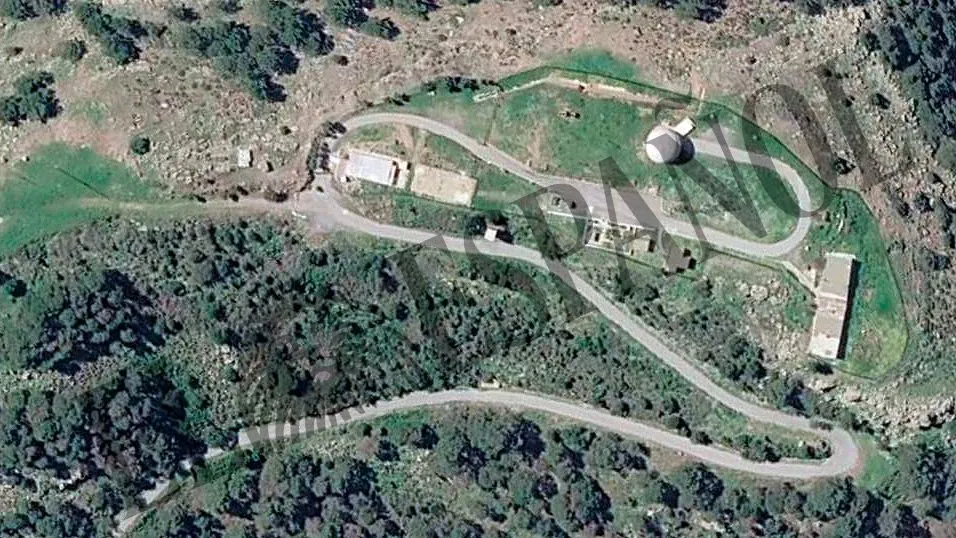
In a significant move to bolster its military capabilities, Morocco is intensifying its military presence in the northern region, particularly with the establishment of a new base on Mount Gurugú, which is strategically located near the Spanish enclaves of Ceuta and Melilla. This development is being supported by the United States, which has renewed its defense agreement with Morocco until 2036. The pact includes the provision of advanced military equipment such as ships, radars, drones, and weaponry aimed at securing control over the Strait of Gibraltar. Analysts suggest that the primary motivation behind Morocco's military expansion is not a direct confrontation with Spain but rather a defensive posture against Algeria and a means to maintain political pressure on Ceuta and Melilla.
Strategic Objectives and Regional Implications
Morocco's military strategy appears to be heavily influenced by its ongoing conflict regarding Western Sahara and its desire to maintain stability in the Sahel region, while simultaneously managing its complex relationship with Algeria. The recent crisis in Ceuta, marked by the influx of 80,000 migrants from Castillejos in just 48 hours, has prompted Rabat to enhance its military presence along the Spanish autonomous city. Notably, a Moroccan patrol boat was observed operating in the waters near Ben Younes, highlighting the heightened military activity in the area. Intelligence sources indicate that this increase in military units is primarily defensive in nature.
Furthermore, as Morocco continues to construct its military base on Mount Gurugú, designed for drone and missile operations, concerns are rising about potential escalations concerning Ceuta and Melilla. The base is viewed as a strategic asset that could potentially complicate the situation should tensions rise. With U.S. backing, Morocco is expected to receive significant military resources, enhancing its capabilities to exert control over the Strait of Gibraltar.
The geopolitical implications of this military reinforcement are profound. Observers note that the proximity of Ceuta to Europe makes it a strategic point of interest, and there are concerns regarding the potential for Morocco to assert more control over the region with international support. The situation is compounded by the ongoing tensions between the U.S. and Spain regarding NATO and Iran, which some analysts believe may provide Morocco with the opportunity to reclaim its claims over Ceuta and Melilla.
Morocco’s military preparations reflect a broader strategy focused on regional dominance and deterrence, particularly against Algeria. While the military build-up includes the establishment of radar stations and artillery bases, experts argue that the primary aim is to address the challenges posed by Algeria rather than to engage in direct conflict with Spain. The complex dynamics of North African geopolitics will continue to evolve as Morocco seeks to navigate its strategic interests amidst external pressures.
As reported by elespanol.com.