
Strengthening Maritime Surveillance and Defense
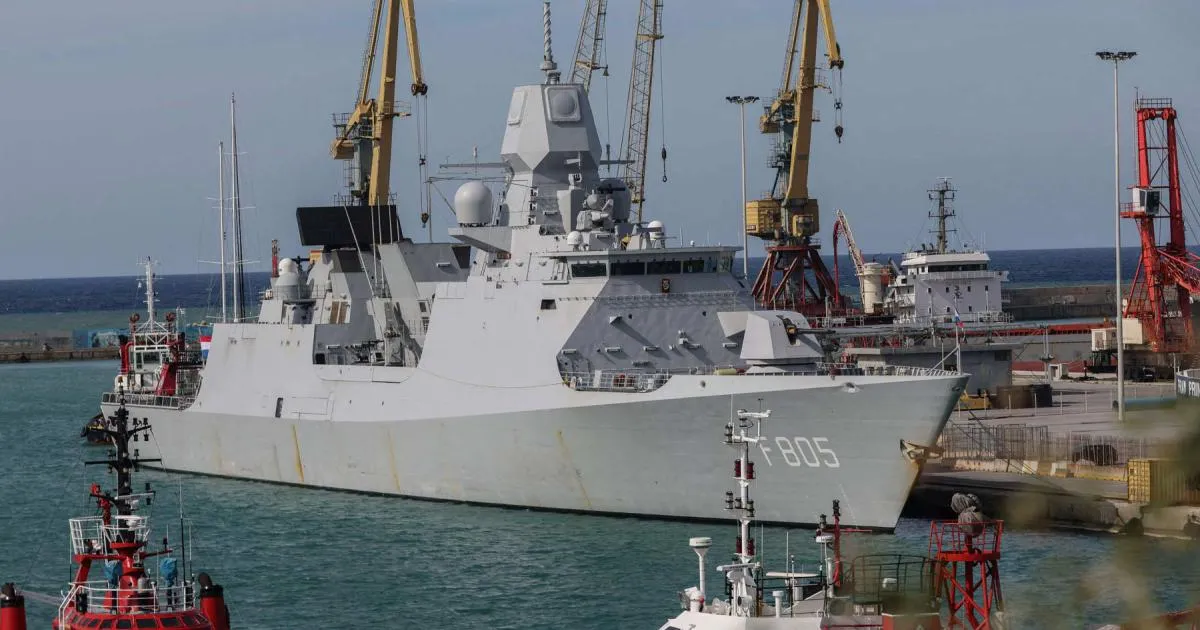
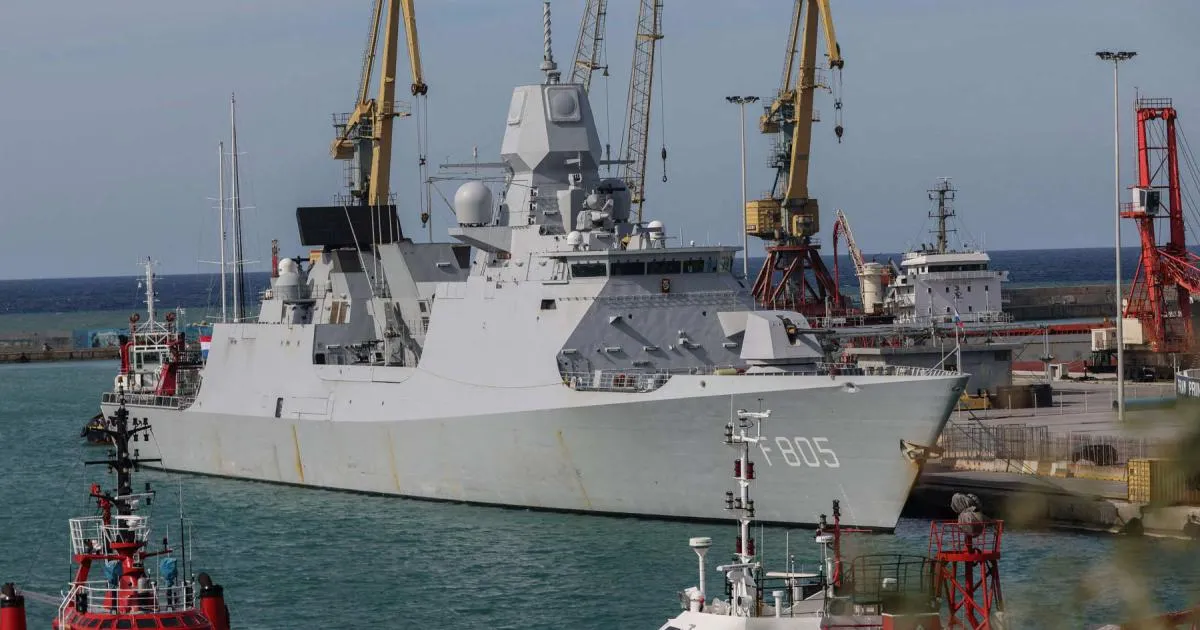
In a strategic move to enhance its maritime security, Morocco is set to acquire two unmanned surface vessels from the Netherlands at a cost of €13 million (approximately $14.7 million). This acquisition is part of Morocco's broader initiative to integrate autonomous systems into its armed forces, focusing on improving its capabilities for anti-submarine warfare, countering naval mines, and effectively monitoring its extensive coastal waters. The sale has been officially sanctioned by the Dutch government and encompasses not just the vessels themselves but also a variety of supportive elements such as advanced sensors, command and control equipment, a dedicated mission control station, spare parts, as well as training and technical documentation.
The unmanned vessels are engineered to operate autonomously, enabling them to undertake missions over prolonged periods without the need for onboard crew. This capability significantly enhances the Moroccan naval forces' ability to conduct essential tasks such as surveillance, reconnaissance, and specialized maritime operations, all while minimizing the risks to personnel involved in such missions.
Strategic Implications and Future Prospects
The approval of this sale was granted following positive evaluations from the Dutch foreign affairs and foreign trade ministries, in alignment with the European Union's stringent criteria for arms exports. Dutch authorities have characterized Morocco as a “stable and strategic partner in an unstable region” due to its pivotal location along the southern frontier of the EU and its active role in regional security collaboration. The vessels are designated for defensive operations along Morocco's coastlines, which span over 1,200 miles across the Atlantic and Mediterranean seas. A significant emphasis of this acquisition is to enhance mine countermeasure capabilities, addressing Morocco's previously limited capacity in this domain. The introduction of unmanned systems is seen as a vital step in bolstering its ability to identify and mitigate underwater hazards while safeguarding naval personnel from direct exposure to danger.
Additionally, these vessels are expected to bolster Morocco's anti-submarine warfare capabilities. Currently, the Royal Navy possesses surface ships equipped with sonar and a limited number of helicopters for anti-submarine operations; however, the integration of unmanned platforms will introduce a new operational paradigm, allowing for continuous monitoring without endangering crew members. These vessels can be strategically deployed around sensitive maritime areas, port approaches, and vital shipping routes, facilitating the timely transmission of collected data back to naval command centers.
The acquisition aligns with a growing trend among naval forces globally, where traditional warships are increasingly complemented by autonomous surface and underwater systems. This approach enables navies to utilize unmanned platforms for a variety of missions, including surveillance, reconnaissance, and mine detection, which are often perilous or financially burdensome when conducted with crewed vessels. For Morocco, this acquisition not only enhances its maritime surveillance capabilities but also allows for an expansion of monitoring operations over its Atlantic and Mediterranean approaches without the necessity of deploying larger and more costly vessels.
Morocco's geographic proximity to the strategically significant Strait of Gibraltar further underscores the importance of developing these maritime capabilities, as the strait serves as a crucial maritime conduit between the Mediterranean Sea and the Atlantic Ocean, facilitating substantial commercial and military maritime traffic. Furthermore, the evolving maritime security landscape in the region is compounded by the naval capabilities of neighboring states, such as Algeria, which operates Kilo-class submarines provided by Russia, and Spain, which is advancing its underwater fleet with the introduction of domestically produced S-80 submarines.
While the Dutch sale is not explicitly aimed at addressing a specific regional adversary, it undeniably equips Morocco with enhanced tools to monitor and respond to potential underwater and maritime threats. This acquisition is part of a larger campaign by Rabat to modernize its military capabilities and diversify its defense partnerships, which includes strengthening defense cooperation with both the United States and various European nations. Additionally, Morocco is investing in developing a domestic defense industrial base and advancing technologies related to drones, electronic warfare, and surveillance systems.
As Morocco contemplates long-term strategies for expanding its submarine capabilities, reports have emerged indicating potential future interest in acquiring three South Korean submarines. However, no definitive procurement contracts have been established, with suggestions that 2027 may mark the commencement of consultations or tendering processes. Thus, while the Dutch vessels represent a confirmed acquisition, any prospective submarine purchases remain speculative at this stage.
As reported by middle-east-online.com.